"Through the 1830s, as the British outlawed slavery and population growth applied too much pressure to land and resources around the Cape, over 14,000 Boers migrated to find land elsewhere. Andries Waterboer was one such Boer, and he claimed the Griqua territory, which was located above the Orange River. His claim for this land was recognised by the British in 1834 but disputed by local Tlhaping chiefs."
"By 1890, South Africa was by far the world's largest producer of diamonds. The British founded another colony, Natal, in 1843. The Boers, meanwhile, created two republics, Transvaal in 1852 and Orange Free State in 1854. Up to this point, these White colonies saw only a modest source of income from agriculture and trade."
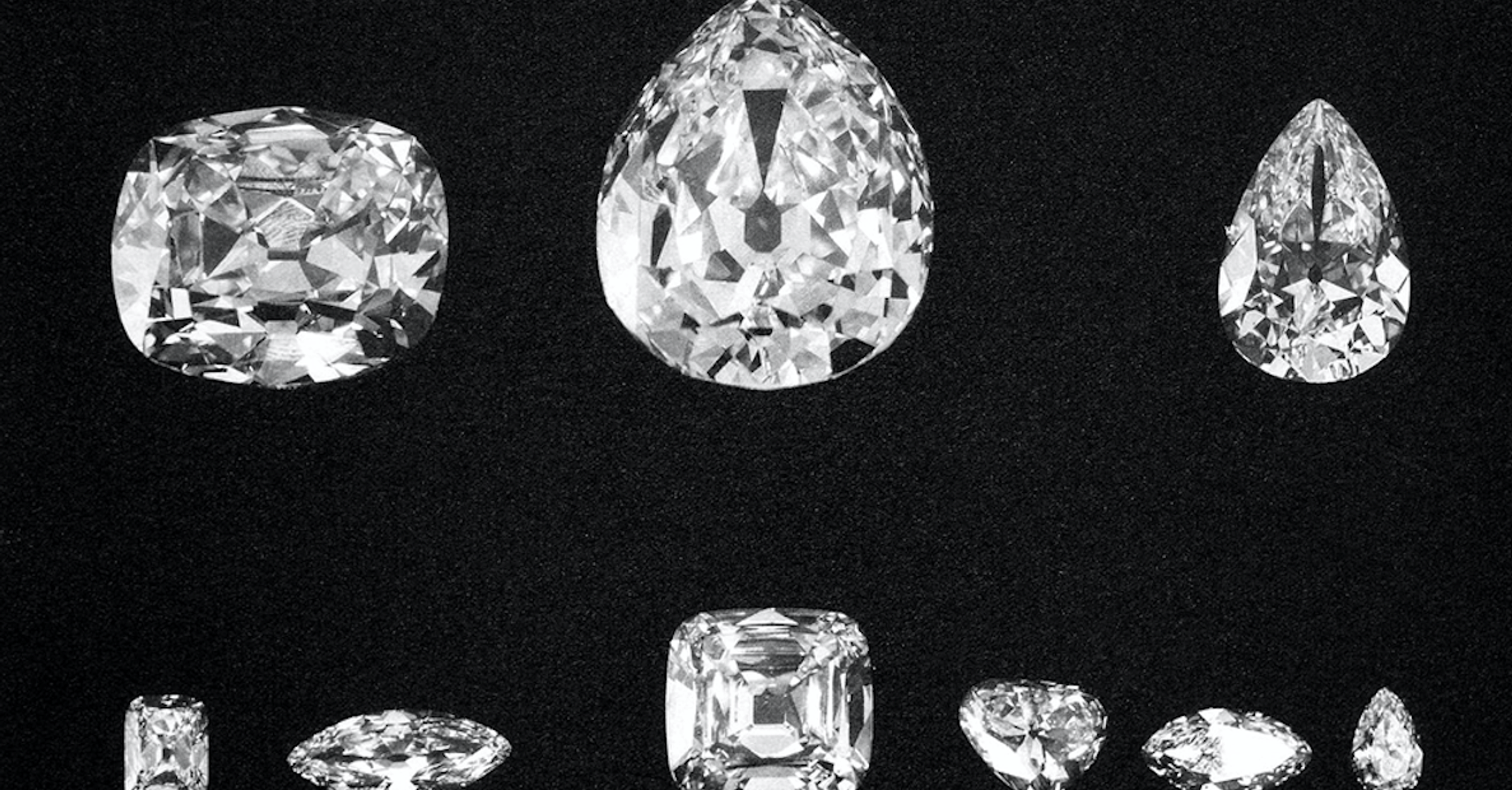
"Diamonds were discovered in Griqualand in that year. The very first large rough diamond was, appropriately enough, found in a place called Hopetown and was used by children as a pretty marble until it was sent off to Grahamstown (Makhanda) and identified for what it was. The colonial secretary to the Cape government, Richard Southey, got his hands on the stone and confidently declared: "Gentlemen, this is the rock on which the future success of South Africa will be built" (Fage, 359)."
"In terms of White investors, colonialists, and workers, he was absolutely right. Black Africans would have rather less to cheer over the discovery of diamonds. More diamonds were fo"
Southern Africa held strategic value for Britain as the Cape Colony and Cape of Good Hope served as a key stop for ships traveling between Britain and Asia, especially British India. Competition came from indigenous Africans and from Boers, White settlers of Dutch or French ancestry who spoke Afrikaans and were also called Afrikaners. After Britain outlawed slavery and population growth increased pressure on land near the Cape, more than 14,000 Boers migrated in the 1830s. Andries Waterboer claimed Griqua territory above the Orange River, recognized by Britain in 1834 but disputed by local Tlhaping chiefs. By 1890, South Africa led the world in diamond production, following the 1867 discovery of diamonds in Griqualand and the rapid identification of major stones.
Read at World History Encyclopedia
Unable to calculate read time
Collection
[
|
...
]