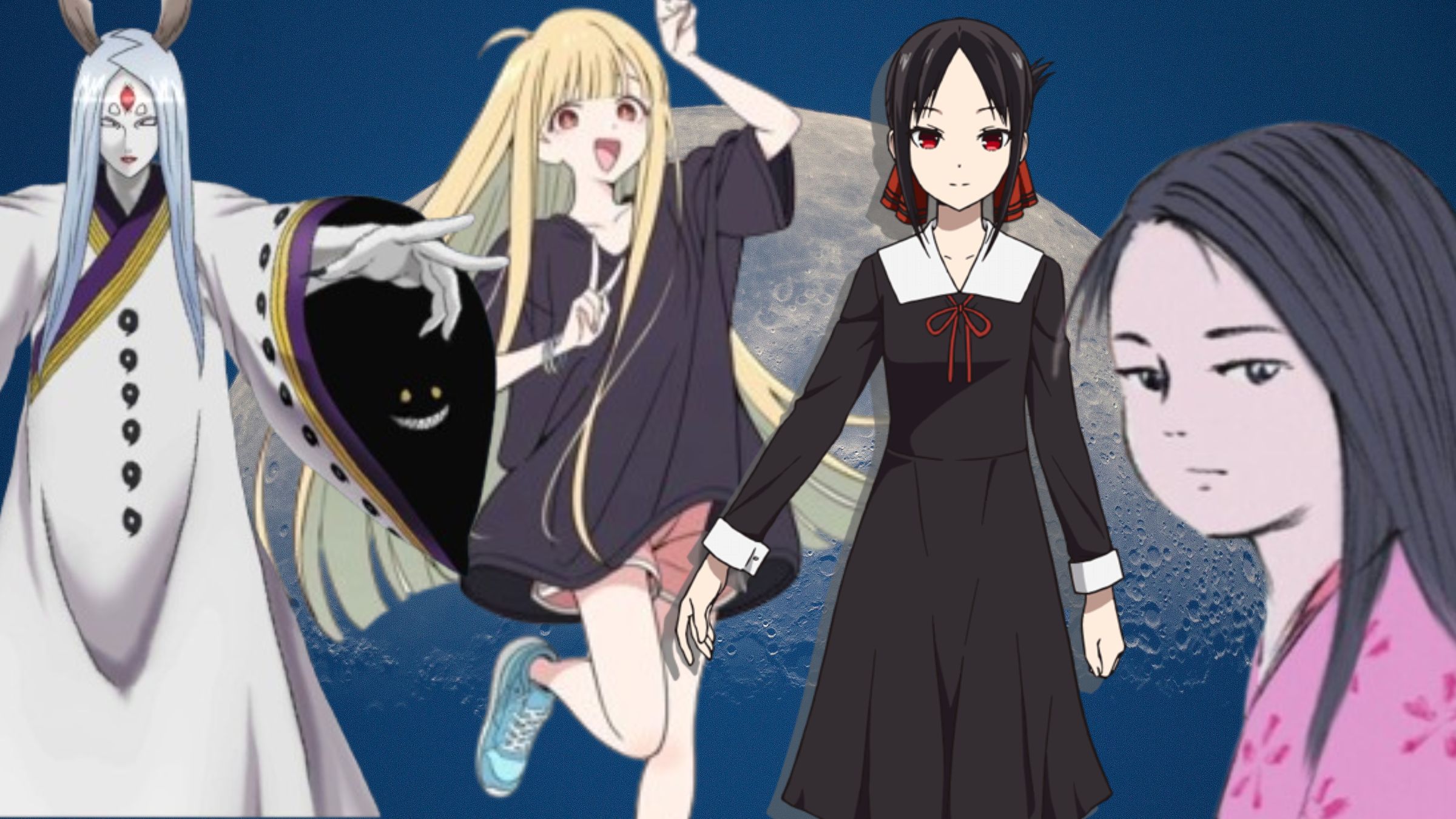
"The Tale of the Bamboo Cutter tells of an elderly bamboo cutter who discovers a tiny, radiant girl inside a glowing stalk of bamboo. He and his wife raise her as their own daughter, naming her Kaguya-hime. As she grows, she becomes extraordinarily beautiful, attracting suitors from across the land. Five noblemen seek her hand in marriage, but she tests them by assigning each an impossible task-such as retrieving the Buddha's stone begging bowl or the jewelled branch of Mount Hōrai. Each suitor fails."
"Eventually, it is revealed that Kaguya is not of this world. She was sent from the Moon as punishment or exile and must return. Despite the sorrow of her adoptive parents-and the emperor's attempts to prevent her departure-celestial beings descend to escort her back to the Moon. Before leaving, she gives the emperor an elixir of immortality, which he orders burned atop Mount Fuji, unwilling to live forever without her."
"Few figures from medieval literature have had the cultural afterlife of Princess Kaguya. First appearing in the late ninth- or early tenth-century tale known as The Tale of the Bamboo Cutter, she remains one of Japan's most enduring mythic figures. Across more than a millennium, Kaguya has been reimagined as tragic heroine, aloof noblewoman, cosmic deity, romantic foil, and even apocalyptic villain. As an anime fan, I'm interested in how Japanese animation depicts medieval themes. The Middle Ages show up more often than you might expect-even in stories that draw on European history."
Princess Kaguya originates in the ninth- or tenth-century Tale of the Bamboo Cutter and remains one of Japan's most enduring mythic figures. An elderly bamboo cutter finds a tiny, radiant girl and, with his wife, raises her as Kaguya-hime. She grows extraordinarily beautiful, attracting suitors whom she tests with impossible tasks; all fail. The emperor also loves her but she refuses him. Kaguya is revealed to be from the Moon and must return; celestial beings escort her home. She gives the emperor an elixir of immortality, which he burns on Mount Fuji, reflecting themes of impermanence, satire, and early science-fiction.
Read at Medievalists.net
Unable to calculate read time
Collection
[
|
...
]