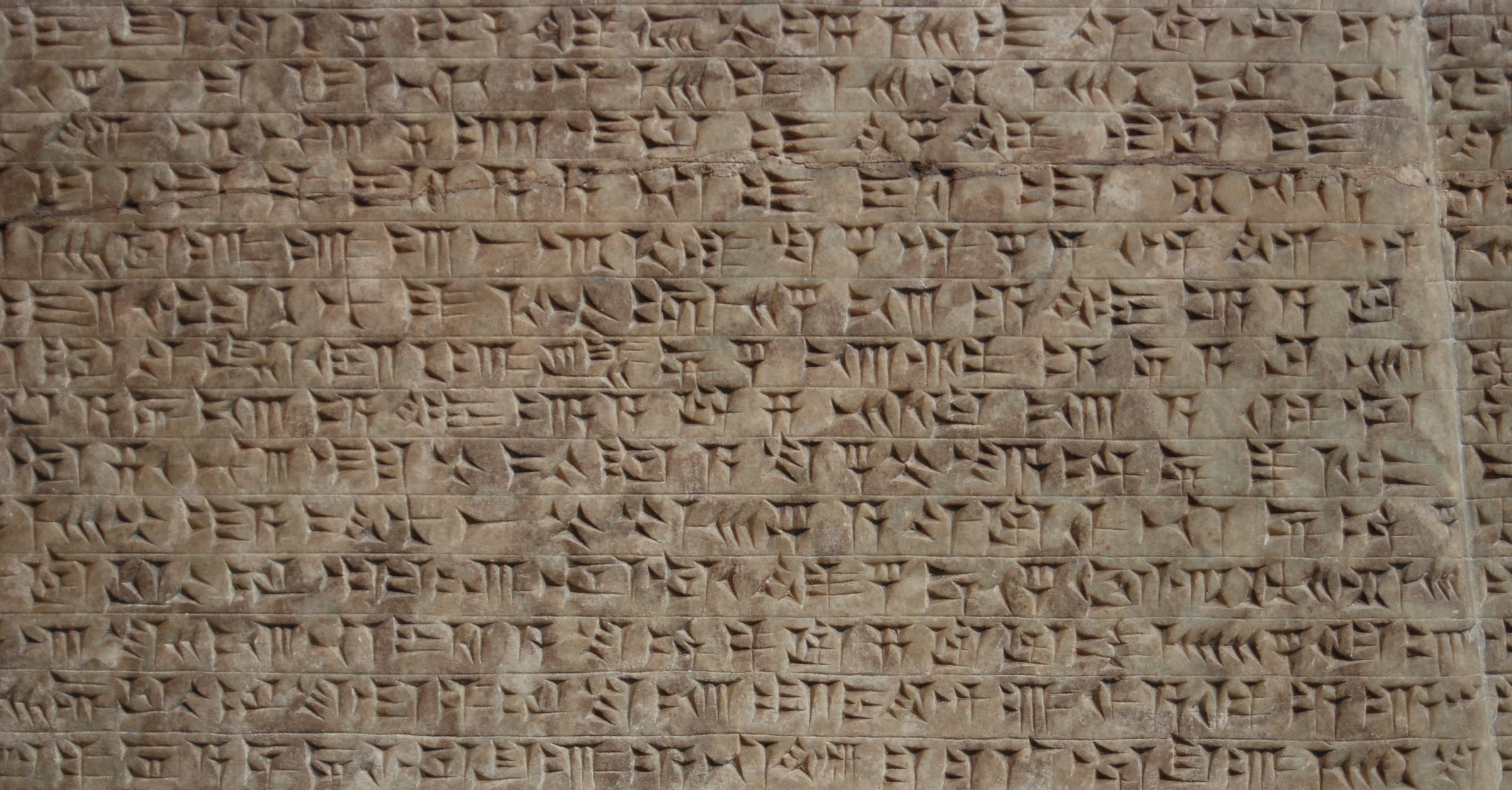
Writing systems evolved from simple pictographic symbols representing objects to complex alphabetic scripts using fewer than 100 letters. Cuneiform emerged in Sumer circa 3500 BCE, followed by Egyptian hieroglyphics and Sanskrit. Before writing's invention, the prehistoric period left no written records, requiring archaeologists to reconstruct history through physical evidence like grave goods and cave images. After script development, civilizations used writing for communication, trade record-keeping, and religious purposes. Modern writing systems retain logographic, phonographic, and alphabetic forms, exemplified by Chinese, Russian, and English respectively. Script's invention fundamentally transformed human civilization by enabling the documentation and preservation of knowledge.
"Script was first invented in Sumer circa 3500 BCE & revised circa 3200 BCE in the city of Uruk. Cuneiform, the first script, was invented in Sumer, Mesopotamia, circa 3600/3500 BCE; hieroglyphics sometime prior to the Early Dynastic Period in Egypt (circa 3150-2613 BCE); and Sanskrit in India during the Vedic period (circa 1500 to circa 500 BCE)."
"The period prior to the invention of writing is known as prehistoric, when there was no written record of human thought and action. Archaeologists reconstruct this era through physical evidence such as grave goods, sites including Banpo Village in China, or Skara Brae in Scotland, images on cave walls, and ancient refuse dumps."
"Script developed from simple to more complex writing systems: Pictographic (a symbol for an object, word, or phrase), Ideographic (a symbol for an object or concept, such as the sign % for percent), Logographic (a symbol for an entire word or phrase), Phonographic (a symbol representing a sound), Alphabetic (less than 100 symbols (letters) used to form words representing objects and concepts)."
#writing-systems-history #cuneiform-and-ancient-scripts #civilization-development #prehistoric-to-historic-transition #language-evolution
Read at World History Encyclopedia
Unable to calculate read time
Collection
[
|
...
]