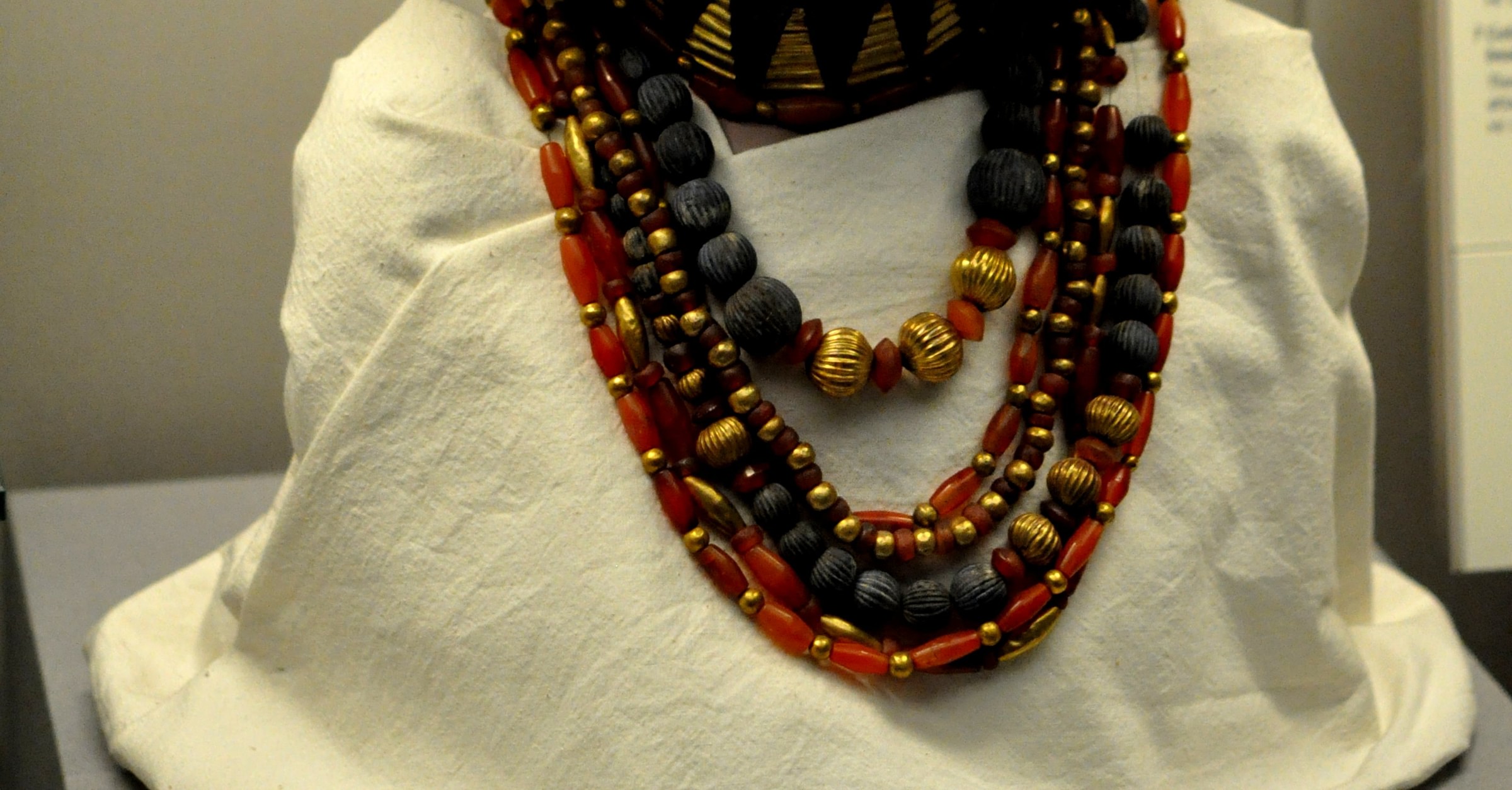
Clothing, footwear, and accessories in Mesopotamia evolved from simple plant-made loincloths in the Ubaid period to brightly colored robes and dresses by the Sassanian era. Garments functioned both practically and as markers of social status, with upper classes wearing higher-quality materials, colors, and ornamentation. After animal domestication, wool became the dominant textile and leather the preferred footwear material. Wealth determined dye use and embellishment, while basic whites characterized poorer dress. Mesopotamian visual art documents stylistic developments and the use of clothing to indicate rank and often profession.
"Fashion and dress in Mesopotamia - clothing, footwear, and accessories - were not only functional but defined one's social status and developed from a simple loincloth in the Ubaid period (circa 6500-4000 BCE) to brightly colored robes and dresses by the time of the Sassanian Empire (224-651). Styles changed, but the essential form and function remained the same. As in any civilization, the upper class and nobility wore more expensive clothes of higher quality."
"Wealthier citizens could afford brightly dyed fashion, while poorer people wore basic white, though these clothes still seem to have been ornamented with designs, even as the skirts and loincloths of the Ubaid period may have been. Scholar Stephen Bertman comments: Archaeologists confirm that textiles were among the first of human inventions. Plant fibers may have been twisted, sewn, and plaited as far back as the Old Stone Age, some 25,000 years ago. (289)"
Read at World History Encyclopedia
Unable to calculate read time
Collection
[
|
...
]