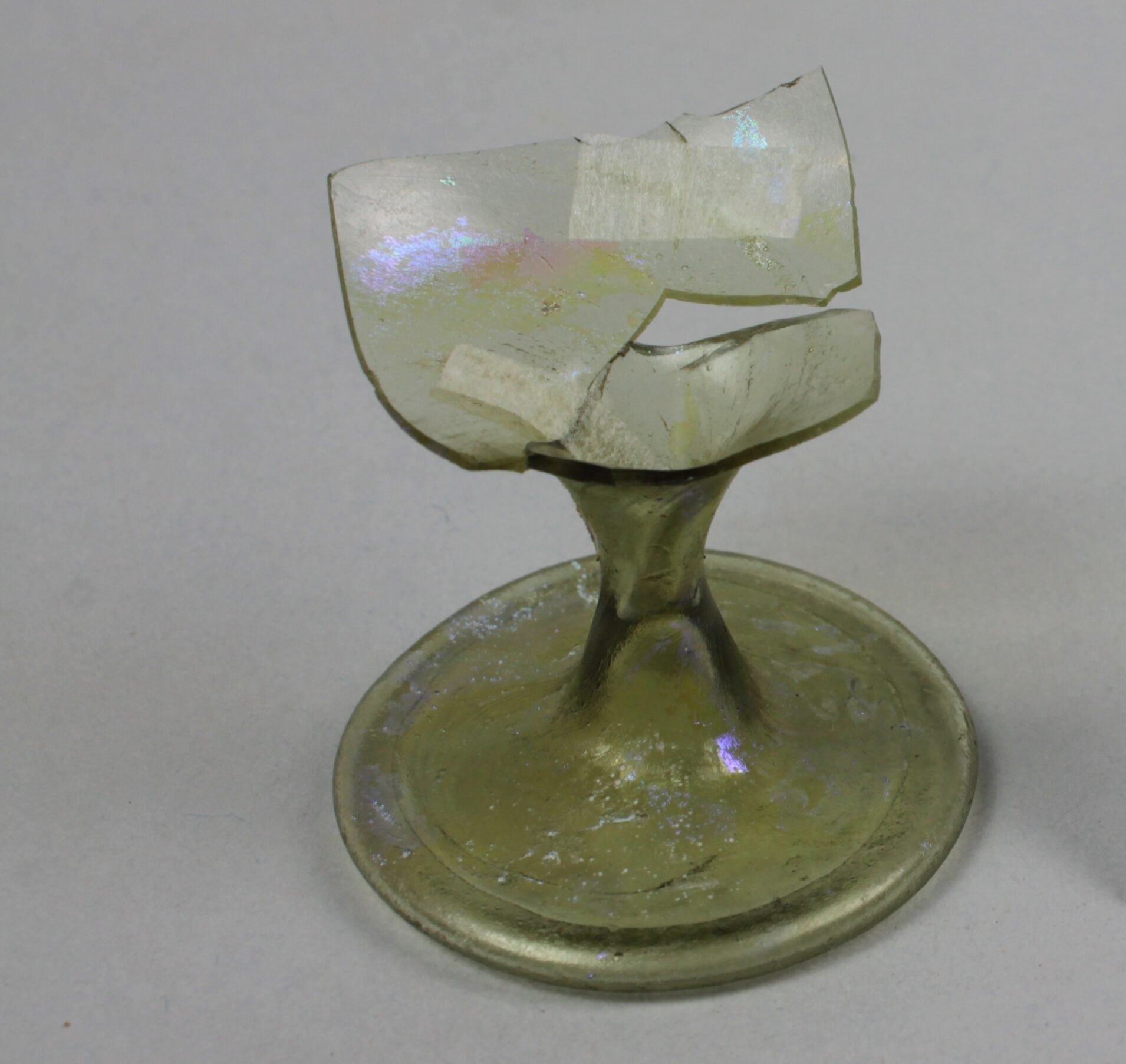
"An archaeometric study of material from San Pietro di Castello (the ancient island of Olivolo), positioned near the lagoon's port entrance, indicates that early medieval Venice was already plugged into long-distance supply chains-and experimenting with techniques that look strikingly sophisticated for the period. The study, published in Archaeological and Anthropological Sciences, analyses 45 samples dated from the 6th to the 9th centuries, including finished vessels, architectural glass, production waste, and a crucible."
"San Pietro di Castello/Olivolo has a long and changing occupation. The article outlines three broad phases: a first period from the 4th to mid-6th century with waterfront structures; a second from the late 6th to late 7th involving roads and connections along the lagoon; and a third from the early 8th to early 9th, when a new substantial building was constructed."
Archaeometric analysis examined 45 glass samples from San Pietro di Castello (Olivolo) dated to the 6th–9th centuries, including finished vessels, architectural glass, production waste, and a crucible. Microscopic and chemical methods (SEM-EDS, EMPA, LA-ICP-MS) were used to determine production techniques, coloration, and provenance. Occupation phases at the site span the 4th to early 9th centuries, with an early 8th-century substantial building associated with elite objects including a Heraclius tremissis and Byzantine seals. Chemical signatures indicate integration into long-distance supply chains and experimentation on flux materials, suggesting an early transition from natron to plant ash fluxes.
Read at Medievalists.net
Unable to calculate read time
Collection
[
|
...
]