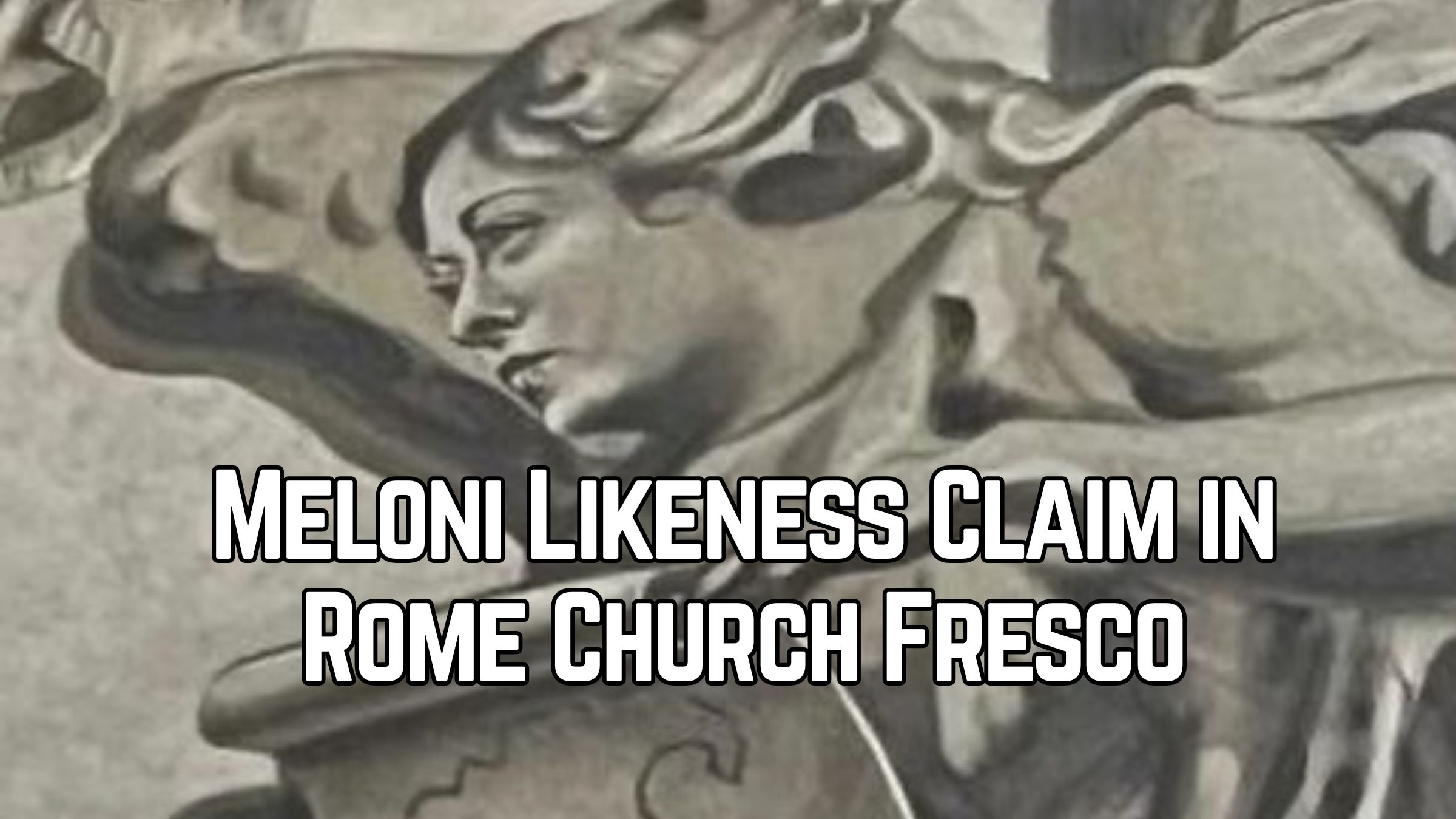
"San Lorenzo in Lucina has a long building history. The site developed in Late Antiquity and underwent major rebuilding in the Middle Ages, with important work associated with the 11th and early 12th centuries. By the mid-5th century, the church had become an established place of worship in Rome, and later medieval reconstruction helped shape the structure that survives today."
"Inside, visitors encounter an interior shaped by both medieval architecture and later decoration. Marble flooring, reused columns, and a series of artworks contribute to the church's visual impact. Some of the best-known pieces date to the early modern period, including works associated with Rome's Baroque artistic culture. The church's location-near the Ara Pacis and the Mausoleum of Augustus-also places it within one of the city's most historically dense districts."
San Lorenzo in Lucina originated in the 4th century and developed through Late Antiquity with major medieval rebuilding in the 11th and early 12th centuries. By the mid-5th century the church was an established place of worship. The church is dedicated to 3rd-century deacon and martyr Saint Lawrence, associated with charity and the poor. Surviving medieval features include exterior brickwork and a 12th-century bell tower; interior elements include marble flooring, reused columns, frescoes, and artworks from multiple periods, including Baroque pieces. The church sits near the Ara Pacis and Mausoleum of Augustus. Conservation of a modern fresco drew attention when a figure was likened to Italy’s prime minister.
Read at Medievalists.net
Unable to calculate read time
Collection
[
|
...
]