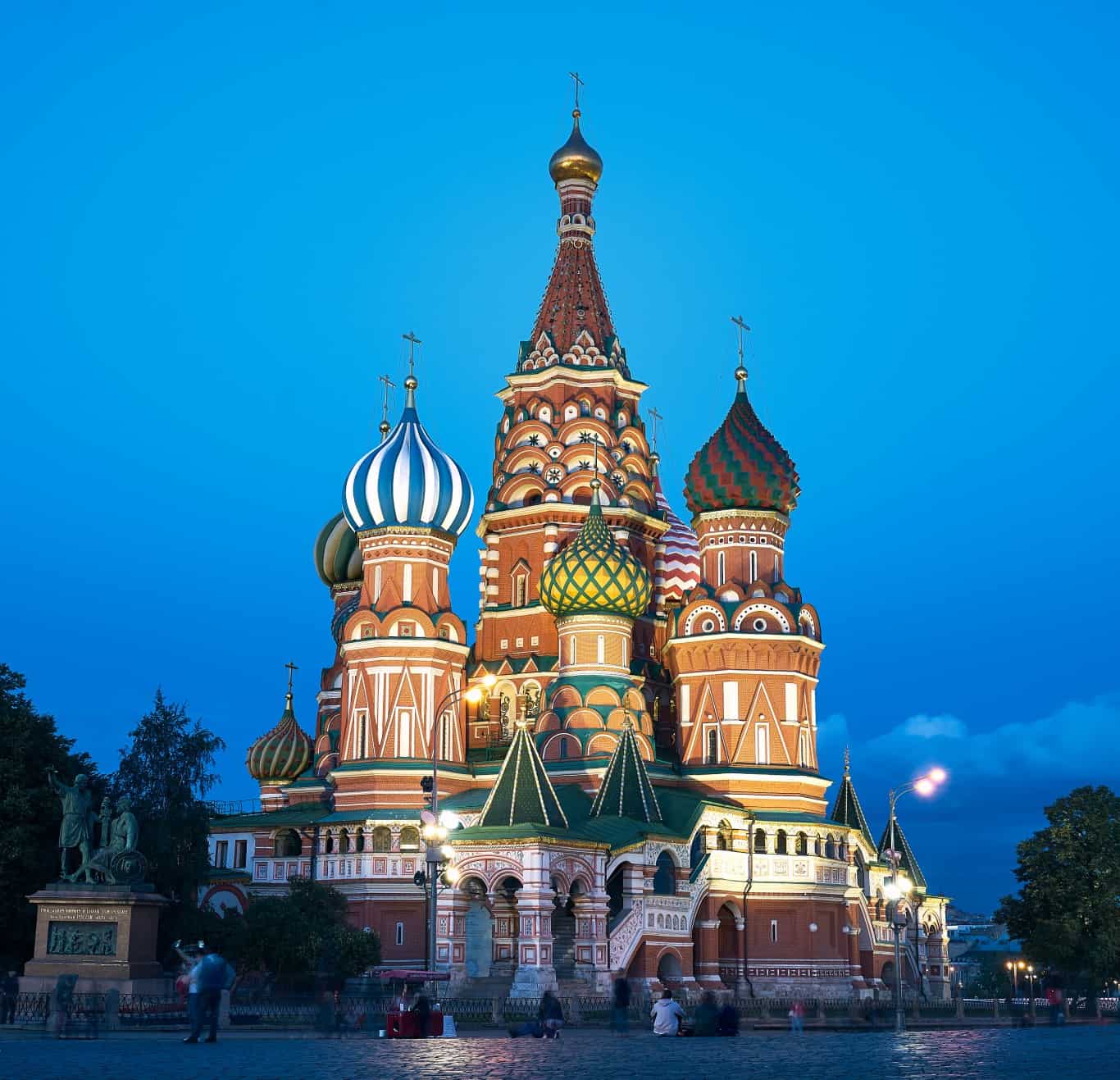
"When the Soviet Union dissolved in 1991, it marked one of the most dramatic geopolitical shifts of modern times. Practically overnight, the Soviet Union was gone. The superpower, which had previously dominated global politics for decades, broke into multiple independent states. Each of these states faced major challenges, like building their own government, economy, and national identity. The collapse of the Soviet Union didn't just end the Cold War; it altered borders, alliances, and power structures across Eastern Europe and Central Asia."
"The nations that resulted from the fracturing of the Soviet Union followed very different paths in the years that followed. They varied from one another immensely, from Baltic democracies to resource-rich Central Asian countries. Some quickly aligned with Western values, while others retained close connections to Moscow. Many of them still continue to navigate the lasting impacts, both economic and political."
"The core of Russia was the principality of Muscovy-what is today the city of Moscow. From the 13th-19th centuries, it expanded in all directions until it stretched from Eastern Europe across northern Asia to the Pacific Ocean, and over into Alaska in North America. It was able to expand most easily toward the east because the land there was thinly populated by tribes with lower levels of technology."
The 1991 dissolution of the Soviet Union ended a decades-long superpower and produced fifteen independent countries that faced immediate tasks of state-building, economic transition, and identity formation. Borders, alliances, and regional power structures in Eastern Europe and Central Asia were fundamentally altered. Successor states followed divergent trajectories: Baltic nations embraced democratic and Western-oriented reforms, while several Central Asian republics leveraged natural resources and many maintained close ties to Moscow. Historical imperial expansion from Muscovy laid the geographic foundations for the Russian core that stretched from Eastern Europe across northern Asia to the Pacific. The Soviet system had organized diverse nationalities into nominal republics while preserving central control from Moscow.
Read at 24/7 Wall St.
Unable to calculate read time
Collection
[
|
...
]