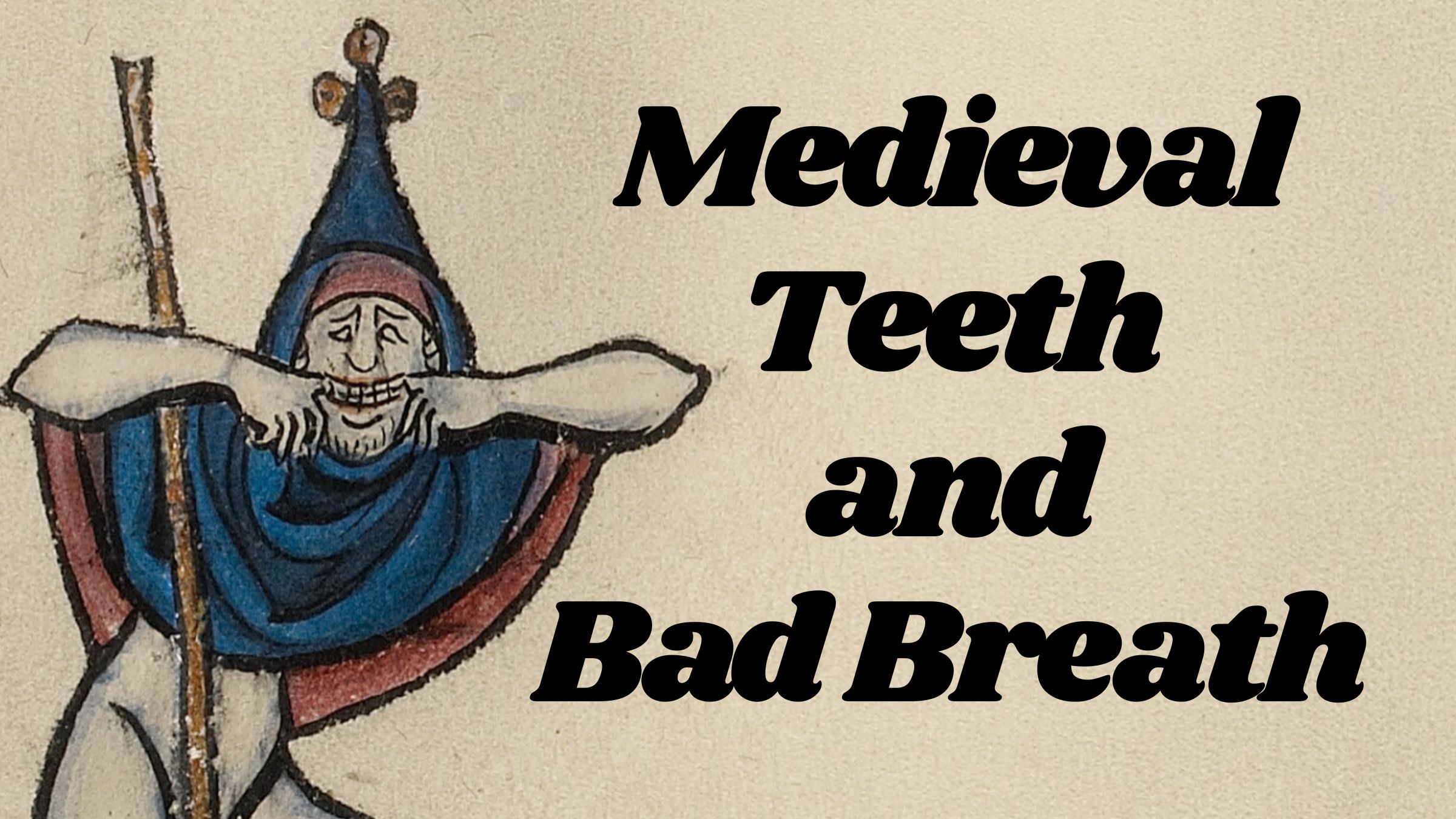
"The widespread belief that people in the Middle Ages universally suffered from rotten teeth and foul breath has long been part of the modern imagination. According to this stereotype, medieval society lacked both the knowledge and the concern necessary to maintain oral hygiene. However, historical sources tell a more complex story. Literary narratives, medical treatises, and archaeological evidence all indicate that medieval people were aware of dental problems, attentive to the appearance of their teeth, and concerned about the smell of the mouth."
"The texts examined here, ranging from literary works such as Ci nous dit, Aucassin et Nicolette, and Yvain ou le Chevalier au lion to medical writings such as De curis mulierum, Catholica magistri Salerni, and the works of Hildegard of Bingen and Henri de Mondeville, reveal a society that recognised the importance of oral health."
The common belief that medieval people suffered from universally rotten teeth and poor oral hygiene is contradicted by historical evidence. Literary works, medical treatises, and archaeological findings demonstrate that medieval society possessed knowledge of dental problems and actively pursued oral health maintenance. Texts including Ci nous dit, Aucassin et Nicolette, and medical writings by Hildegard of Bingen and Henri de Mondeville reveal widespread awareness of dental conditions and concern for tooth appearance and breath odor. Medieval people recognized the importance of oral health and employed various hygiene practices, suggesting a more sophisticated understanding of dental care than modern stereotypes suggest.
Read at Medievalists.net
Unable to calculate read time
Collection
[
|
...
]