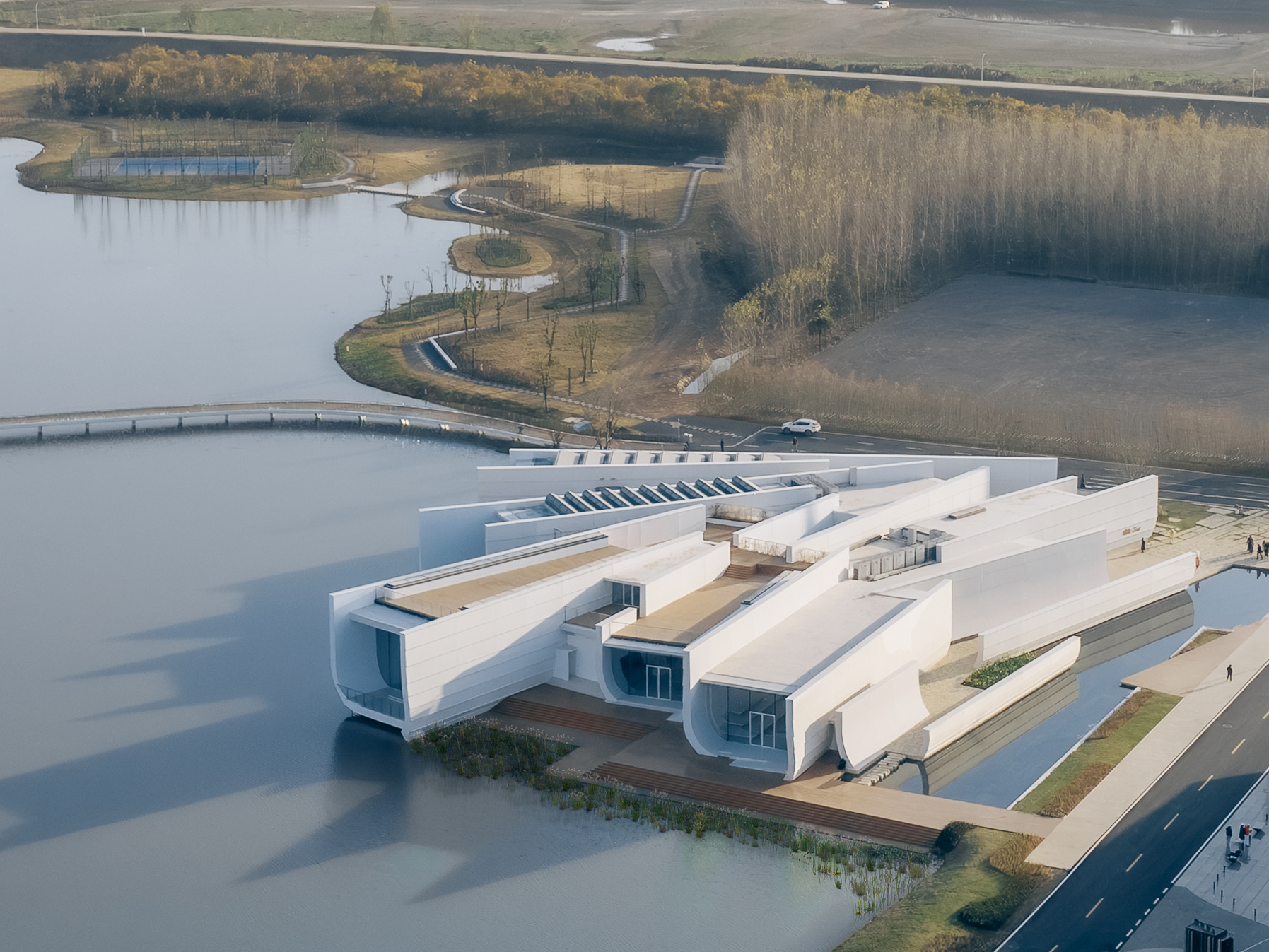
"Situated at the geographical center of China, Wuhan earned the title of the "Gateway to Nine Provinces" as early as the Ming and Qing dynasties. From the ancient Yunmeng wetlands, to Yu the Great diverting the Han River into the Yangtze, and later the river's course shift in the sixth year of Emperor Chenghua's reign, the city gradually took shape as today's "River City.""
"Renowned as the "City of a Hundred Lakes," Wuhan is interwoven with rivers, lakes, and waterways, with water areas occupying one quarter of its territory. Evidently, the relationship between "water" and "city" is inseparable."
Wuhan, located at China's geographical center, earned the designation "Gateway to Nine Provinces" during the Ming and Qing dynasties. The city's formation resulted from significant historical water events, including the ancient Yunmeng wetlands, Yu the Great's diversion of the Han River into the Yangtze, and a river course shift during Emperor Chenghua's reign. These developments established Wuhan as the "River City." Known as the "City of a Hundred Lakes," Wuhan features extensive integration of rivers, lakes, and waterways throughout its landscape. Water areas constitute approximately one quarter of the city's total territory, demonstrating the fundamental and inseparable relationship between water and urban development.
#wuhan-urban-geography #water-and-city-integration #historical-water-management #river-city-development
Read at ArchDaily
Unable to calculate read time
Collection
[
|
...
]