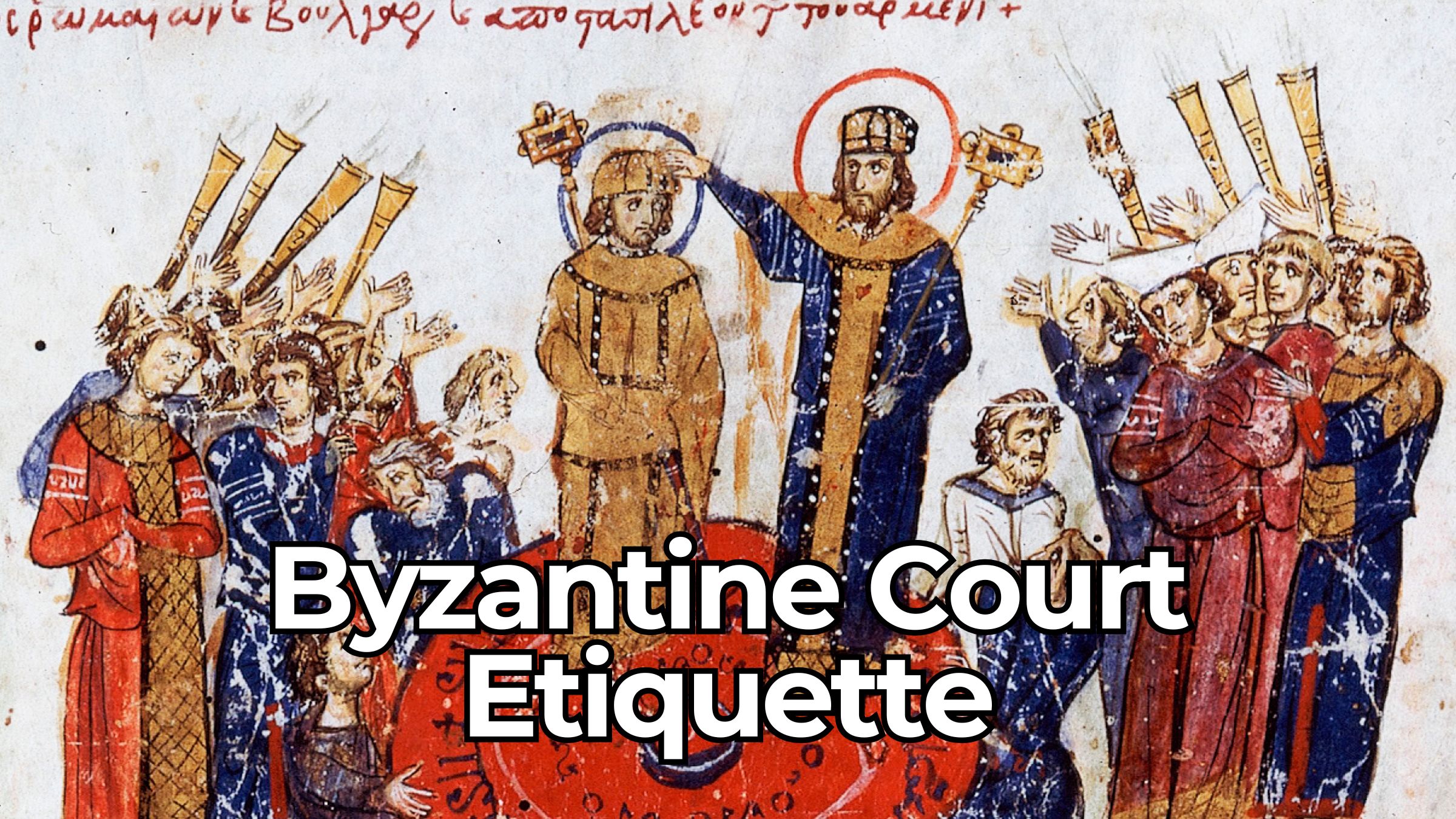
"The Byzantine Empire was renowned for its dazzling court rituals and intricate etiquette, a complex system that could bewilder even the most seasoned diplomats. These rituals transcended mere formalities; they were central to the exercise of imperial power, transforming the court into a stage where politics was performed as theatre."
"The strict hierarchy at court was visually reinforced by ceremonial robes, which denoted status, and by prescribed movements that delineated the social order. Honorific titles were not merely formalities; they were integral to the display of power."
"These rituals were deeply imbued with meaning, serving as a powerful vehicle for propaganda. By staging acts of power and grandeur, the court communicated clear messages about the emperor's authority, societal stability, and the cosmic order he was believed to uphold."
"Even the smallest gestures-such as the act of prostration before the emperor-were laden with significance, illustrating both the subject's submission and the emperor's exalted status. For medieval observers, such rituals were not excessive but essential to how power functioned."
Byzantine court life was characterized by intricate rituals and etiquette that were crucial for the exercise of imperial power. These ceremonies transformed the court into a theatrical stage where politics was performed. The emperor's public appearances were rare and meticulously planned, emphasizing his divine authority. Hierarchical structures were visually reinforced through ceremonial robes and prescribed movements. Rituals served as propaganda, communicating messages about the emperor's power and societal stability, with every gesture carrying significant meaning.
Read at Medievalists.net
Unable to calculate read time
Collection
[
|
...
]