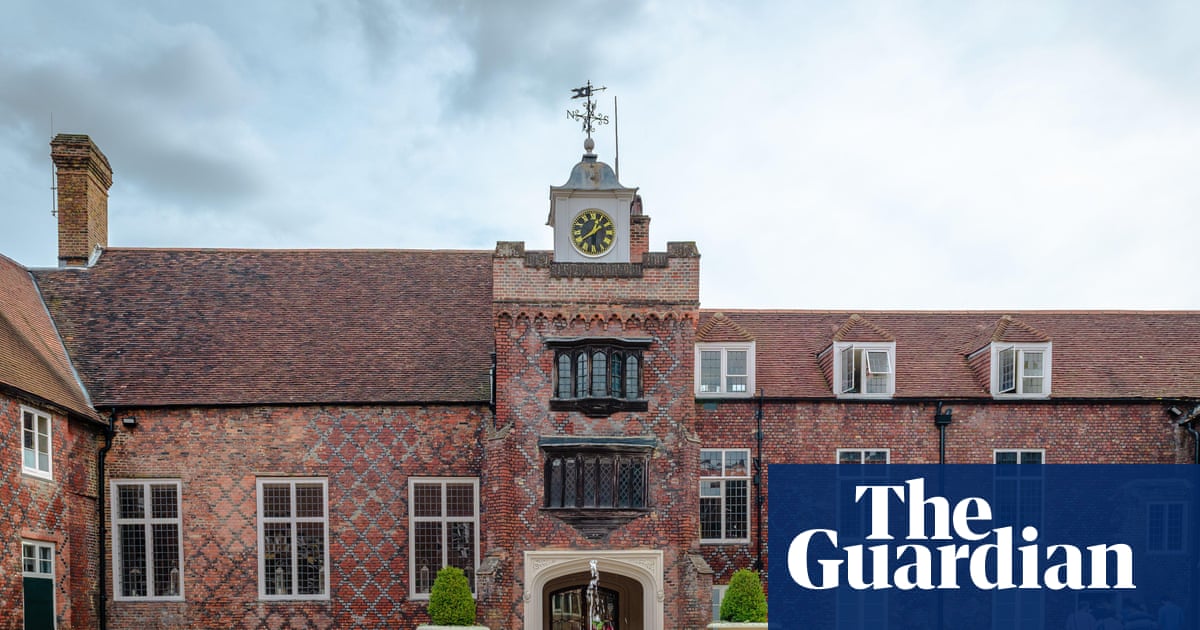
"The museum had always told the story of the bishop of London, who historically lived at Fulham Palace now home to a historic house, museum and 13-acre garden. But when George Floyd was murdered in 2020, the museum was among others which concluded that more needed to be done. For Harrington, that meant confronting the history of the bishops of London and their involvement in colonialism and slavery. The trust is independent of the Church of England, she said, and could tell those stories without approval."
"At Fulham Palace, Harrington said, Black History Month is now every month. In the years since Floyd's death, the museum has hosted an exhibition called Resistance that examines the systems of physical and spiritual resistance that led to the ending of transatlantic slavery under the British empire. Harrington has made changes to their permanent exhibition to talk about research, and last year joined Black History 365, an initiative that wants black history to be recognised all year round, not just in October."
"If we do Black History Month throughout the year then it is part of our history and it gives people a chance to come across it by accident almost, so that you're making it more mainstream in a way by doing it every month, she said. Beyond exhibitions and decolonising historical interpretations and stories, the museum applied to become one of the first six anti-racist museums in the country."
Sian Harrington is chief executive at Fulham Palace Trust. The museum historically focused on the bishop of London, who lived at Fulham Palace. George Floyd's murder in 2020 prompted the museum to confront the bishops' involvement in colonialism and transatlantic slavery. The trust is independent of the Church of England and can present those histories without approval. Fulham Palace has reframed Black History Month as a year-round effort, hosting an exhibition called Resistance about physical and spiritual resistance that ended British transatlantic slavery. Permanent displays now include research-based reinterpretations. The museum joined Black History 365, applied to be an anti-racist museum, and plans a show on plant collecting and colonial extraction.
#fulham-palace #black-history-year-round #colonialism-and-slavery #museum-decolonisation #anti-racist-museums
Read at www.theguardian.com
Unable to calculate read time
Collection
[
|
...
]