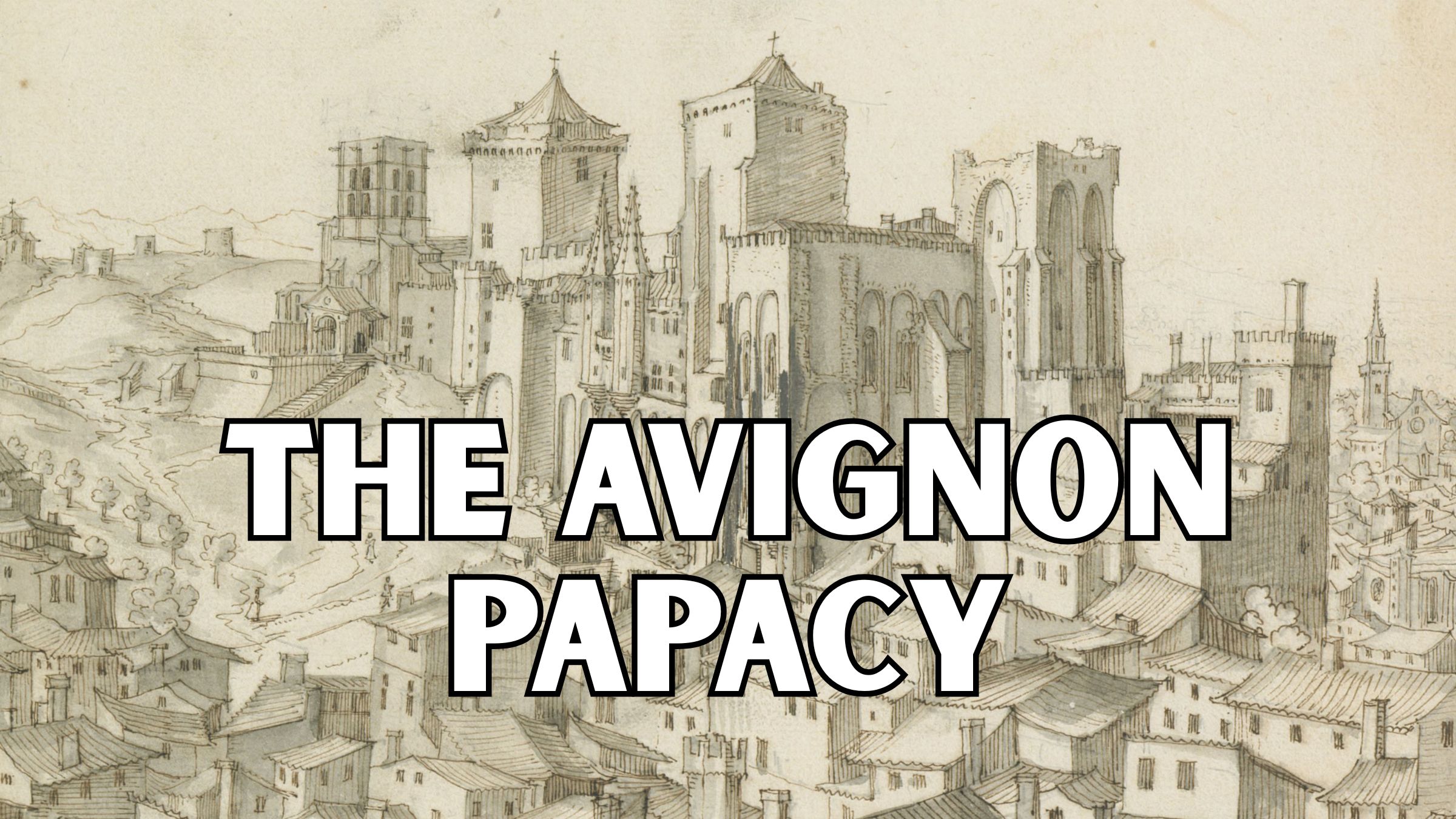
"Multiple outlets reported that senior U.S. Defense Department officials summoned the Vatican's ambassador to the United States, Cardinal Christophe Pierre, for a closed-door meeting at the Pentagon. According to reporting initially published by The Free Press and later echoed across mainstream and religious media, one official allegedly invoked the "Avignon Papacy" during what Vatican sources described as an unusually confrontational exchange."
"The U.S. Department of Defense acknowledged that the January meeting occurred but strongly disputed claims that threats were made or that the Avignon Papacy was mentioned. Fact-checking organizations have labeled the allegations unproven, noting reliance on anonymous sources and conflicting accounts between Vatican and U.S. officials. This did not stop countless organizations from reporting on this so-called meeting and unleashed a torrent of falsehood on the Avignon papacy."
"What is relevant at this point is that the Avignon Papacy was mentioned by commentators-with no fact checking, and the reference was widely interpreted as a historical warning. It alluded to the 14th-century period when secular power (the French crown) pressured and constrained the papacy. The reference was a veiled threat returning to a moment when a powerful state forced the pope into political dependency, when the papacy lost papal autonomy through coercion rather than consent."
"Explainers consistently emphasized that Avignon remains a powerful symbol of secular pressure."
Senior U.S. Defense Department officials reportedly met with Vatican ambassador Cardinal Christophe Pierre at the Pentagon in January 2026, and anonymous claims alleged that the “Avignon Papacy” was invoked during a confrontational exchange. The Department of Defense acknowledged the meeting but disputed claims of threats and any mention of Avignon. Fact-checking groups said the allegations were unproven, citing anonymous sourcing and conflicting accounts between Vatican and U.S. officials. Despite this, many outlets reported the meeting and spread claims that framed Avignon as a historical warning. Commentators treated the reference as a signal of renewed secular pressure, recalling the 14th-century period when the French crown constrained papal autonomy through coercion rather than consent.
Read at Medievalists.net
Unable to calculate read time
Collection
[
|
...
]