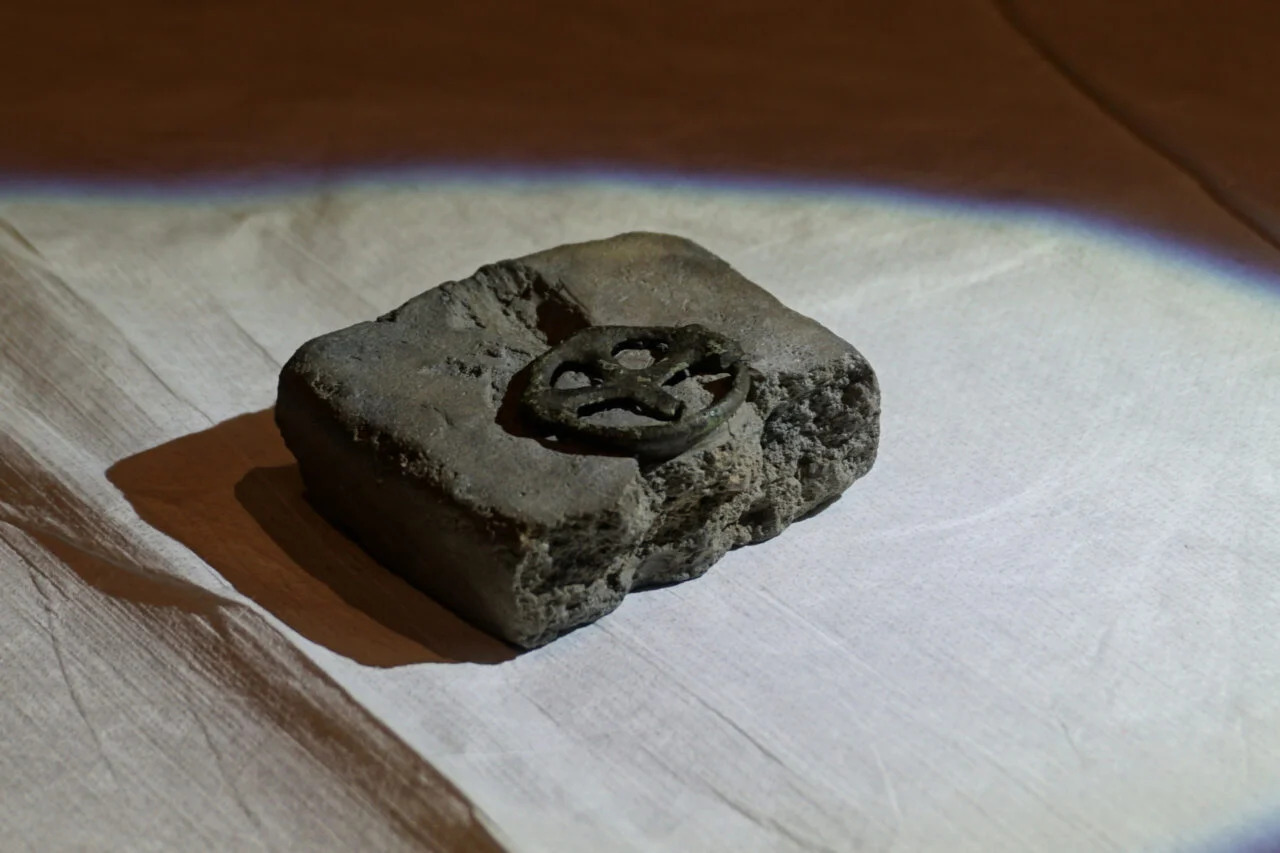
"An extraordinary archaeological discovery in eastern Germany has reunited a medieval bronze cross with the mould used to cast it-more than four decades after the mould itself was found. The object, a so-called wheel cross dating to the 10th or 11th century, offers rare and tangible evidence of early Christianisation among the Slavic populations of the region between the Elbe and Oder rivers."
"The bronze object was cast in a mould that archaeologists had already found in 1983 during excavations at the Slavic hillfort in Berlin-Spandau. That mould-known to researchers as the "Spandau Cross"-has long been regarded as one of the earliest pieces of archaeological evidence for Christianity in the region. Yet until now, no cast made from it had ever been identified."
"After restoration and precise measurement at the Brandenburg State Office for Monument Preservation and Archaeological State Museum (BLDAM), the newly discovered cross was compared to the Spandau mould, which is kept at the Museum of Prehistory and Early History in Berlin. The match is exact. For the first time, archaeologists can point to both the tool and the object it produced."
A medieval bronze wheel cross dating to the 10th or 11th century was discovered in western Havelland, Brandenburg, during authorised metal-detecting surveys by volunteer Juliane Rangnow. Associated finds included coins, partially gilded jewellery fragments and iron weapons, indicating site connections to wider exchange networks. The cross was cast in a mould found in 1983 at the Slavic hillfort in Berlin-Spandau, known as the Spandau Cross. After restoration and measurement at the Brandenburg State Office for Monument Preservation and Archaeological State Museum (BLDAM), the cross matched the Spandau mould exactly. The matching tool and cast provide rare tangible evidence of early Christianisation among Slavic populations between the Elbe and Oder.
Read at Medievalists.net
Unable to calculate read time
Collection
[
|
...
]