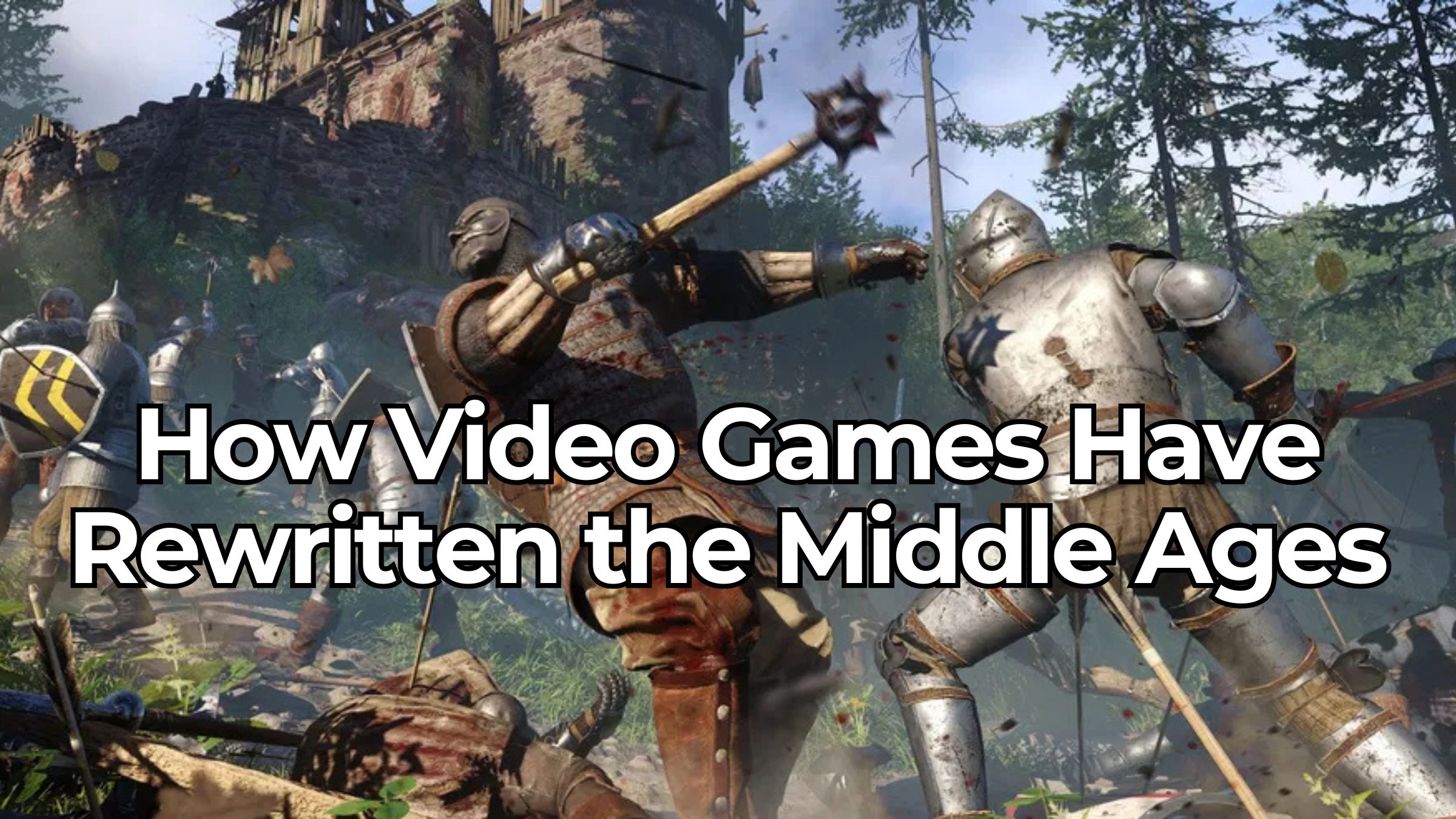
"Video games create a distinctive form of medievalism that differs from the portrayals found in films, novels, or television. Because games must translate history into systems that players can interact with—combat, diplomacy, technology, or rulership—they inevitably reshape the past in distinctive ways. The result is a playable Middle Ages that often looks very different from the historical reality."
"For millions of people today, the Middle Ages are first encountered not in books or classrooms but through video games. Titles like Assassin's Creed, Crusader Kings, and Age of Empires allow players to explore castles, lead armies, and rule kingdoms in digital versions of the medieval world. These games have become one of the most influential ways modern audiences imagine medieval history."
Video games like Assassin's Creed, Crusader Kings, and Age of Empires have become influential sources through which millions experience medieval history. Scholar Robert Houghton examines how digital games represent the Middle Ages through the concept of "ludic medievalism," which describes how gameplay mechanics reshape historical portrayals. Games must translate history into interactive systems involving combat, diplomacy, technology, and rulership, inevitably creating a playable version of the past that differs significantly from historical reality. This interactive medium produces distinctive representations of medieval life that differ from portrayals in films, novels, or television. Video games particularly emphasize warfare as the dominant activity through which players engage with the medieval world, presenting the period as defined by constant violence.
#ludic-medievalism #video-games-and-history #medieval-representation #gameplay-mechanics #digital-media-and-historical-perception
Read at Medievalists.net
Unable to calculate read time
Collection
[
|
...
]