"Contingent job positions at universities in the United States have risen - from 47% in 1987 to 68% in 2021 - giving many young researchers a sense of job precarity. And more than two-thirds of faculty members in US-based higher-education institutions had part-time employment or full-time posts that were not eligible for tenure in 2023, according to data published last year by the American Association of University Professors."
"It does not mean ceasing all research and teaching. It simply means vacating an established post - a post that will then become a life-changing opportunity for those looking to kickstart their own academic careers."
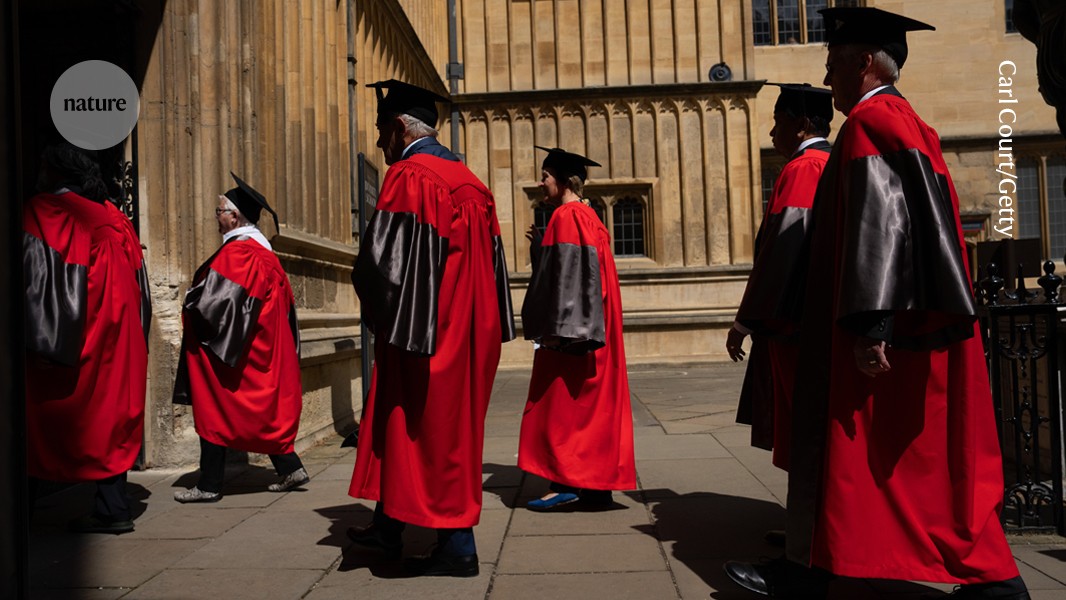
"Some universities have revised their retirement policies to create opportunities for new generations of academics. For example, the University of Oxford and the University of Cambridge brought in mandatory retirement ages to open more positions for young researchers. In Spain, professors and academic staff have a mandatory retirement age of 70. In France, professors can request to remain in their posts up to the age of 69."
Gaining a foothold in academia is becoming increasingly difficult for early- and mid-career researchers due to a mismatch between annual doctorate production and available tenure-track positions. Contingent job positions at US universities rose from 47% in 1987 to 68% in 2021, producing widespread job precarity. More than two-thirds of US faculty held part-time roles or full-time posts ineligible for tenure in 2023, according to AAUP data. Some stakeholders advocate redefining academic retirement to mean vacating established posts to create opportunities for new academics. Several institutions have introduced or maintained mandatory retirement ages, while debates continue in other countries.
Read at Nature
Unable to calculate read time
Collection
[
|
...
]