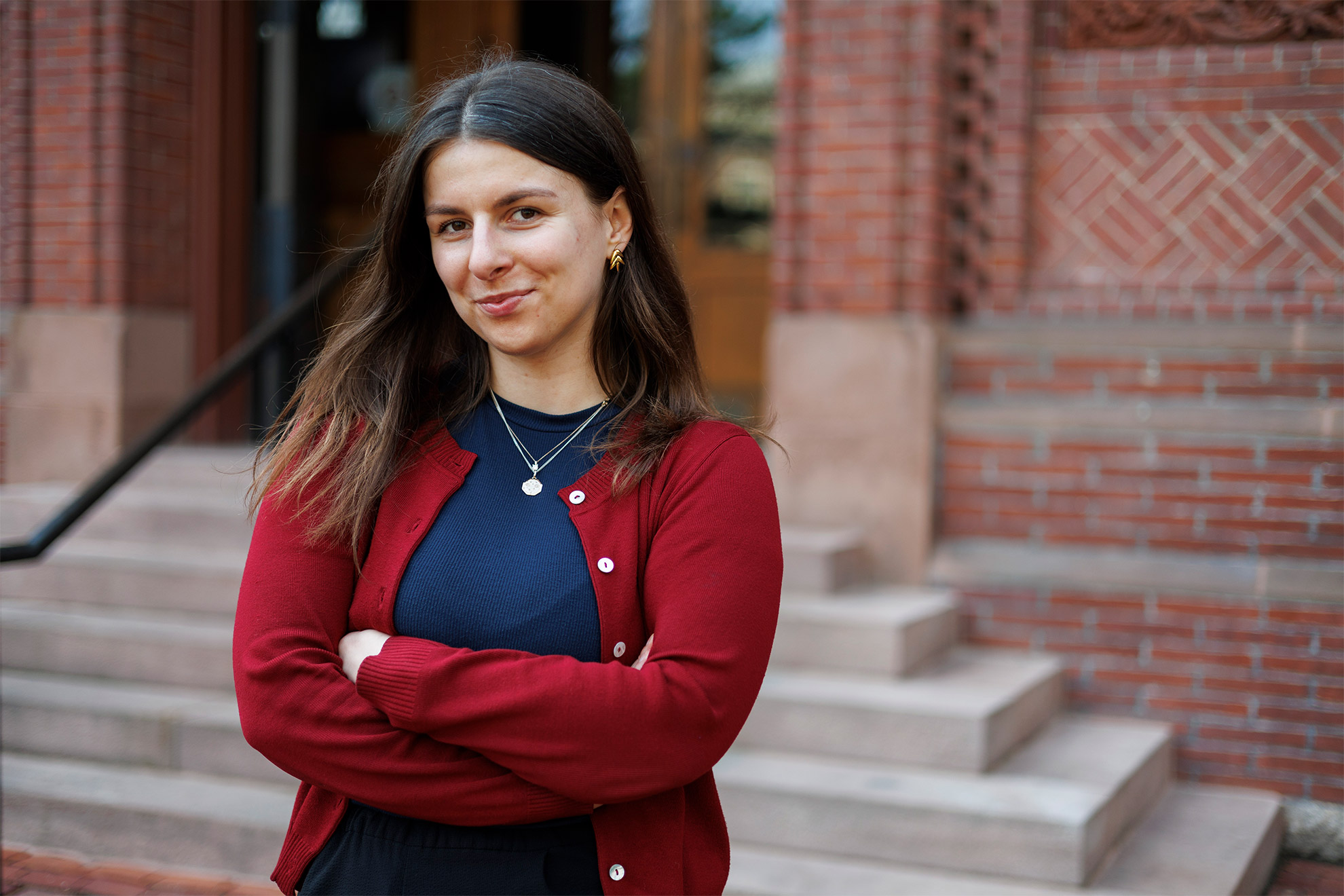
"When Russia invaded her home country of Ukraine in 2022, Anastasiia Pereverten was more than 5,000 miles away, studying at the University of Wyoming. From that distance, she watched a surge of support from Americans who were far removed from the conflict. "All this, so far away from Ukraine?" said Pereverten. "People were so incredibly vocal and supportive, and wanted to know more. I wanted to understand what shaped that.""
"That question - how public support for foreign policy forms, and how it can be mobilized - became the focus of her academic research. Pereverten, who completed her bachelor's degree in 2024, is now graduating from Harvard's Russia, Eastern Europe, Central Asia master's program. Her thesis examines how Ukraine advocacy groups persuaded and mobilized Americans to support Ukraine, and how Americans form their opinions about foreign policy."
""I am excited to return to Kyiv - to be close to my family, be an active citizen, and put everything I've learned at Harvard in political science, negotiations, and public opinion research to work for Ukraine's resistance and reconstruction.""
"Pereverten's thesis draws on interviews with 30 advocates and activists in the U.S., as well as an original survey of more than 600 Americans. It describes how Ukraine advocates capitalized on intense media attention to marshal support for policies and humanitarian a"
Russia’s 2022 invasion of Ukraine left Anastasiia Pereverten studying in Wyoming while watching Americans far from the conflict rally in support. She pursued research on how public support for foreign policy forms and how it can be mobilized. Her Harvard master’s thesis examines how Ukraine advocacy groups persuaded and mobilized Americans to support Ukraine and how Americans develop foreign policy opinions. The work uses interviews with 30 U.S. advocates and activists and an original survey of more than 600 Americans. It explains how advocates used intense media attention to marshal support for policies and humanitarian efforts, and how these processes influenced public attitudes.
Read at Harvard Gazette
Unable to calculate read time
Collection
[
|
...
]