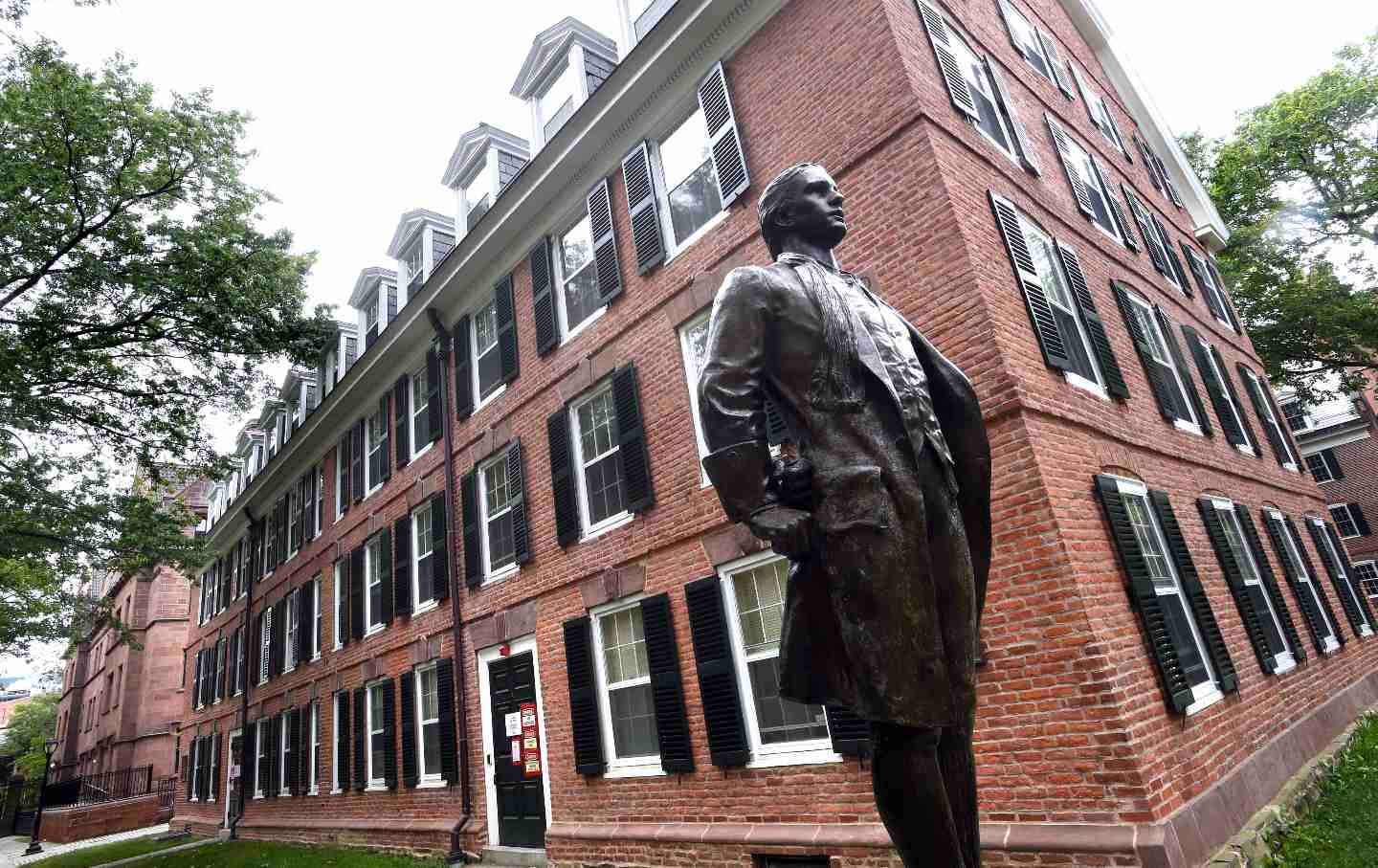
"A dinner bet around this question by professor Evan Mandery at the John Jay College of Criminal Justice quickly led to a larger discussion over what kinds of actors elite institutions were, whom they served, and how complicit they may be in weakening social mobility. In 2022, Mandery published Poison Ivy, a book that addressed the growing wealth disparity in America's elite academic institutions, and he cofounded Class Action the next year."
"Of course, Mandery isn't alone in asking these questions. In 2015, Daniel Davis, Nick Bloom, and Amy Binder-a member of Class Action's board of directors- studied the postgraduate job outcomes for graduates of Harvard and Stanford University, exposing a pattern of "career funneling." Despite a diversity of majors and initial career aspirations, graduates from elite institutions disproportionately accepted offers in consulting, finance, and technology."
Elite universities frequently channel graduates into consulting, finance, and technology, shaping early career outcomes. Organizers with Class Action question elite schools' corporate partnerships and the effects on social mobility. A dinner bet by professor Evan Mandery prompted broader organizing; Mandery published Poison Ivy and cofounded Class Action. A 2015 study by Daniel Davis, Nick Bloom, and Amy Binder documented a pattern of "career funneling" from Harvard and Stanford. At Princeton between 2016 and 2024, the largest industry of first destinations was finance, followed by technology and consulting. Around 64 percent of Harvard's class of 2024 chose careers in those fields.
Read at The Nation
Unable to calculate read time
Collection
[
|
...
]