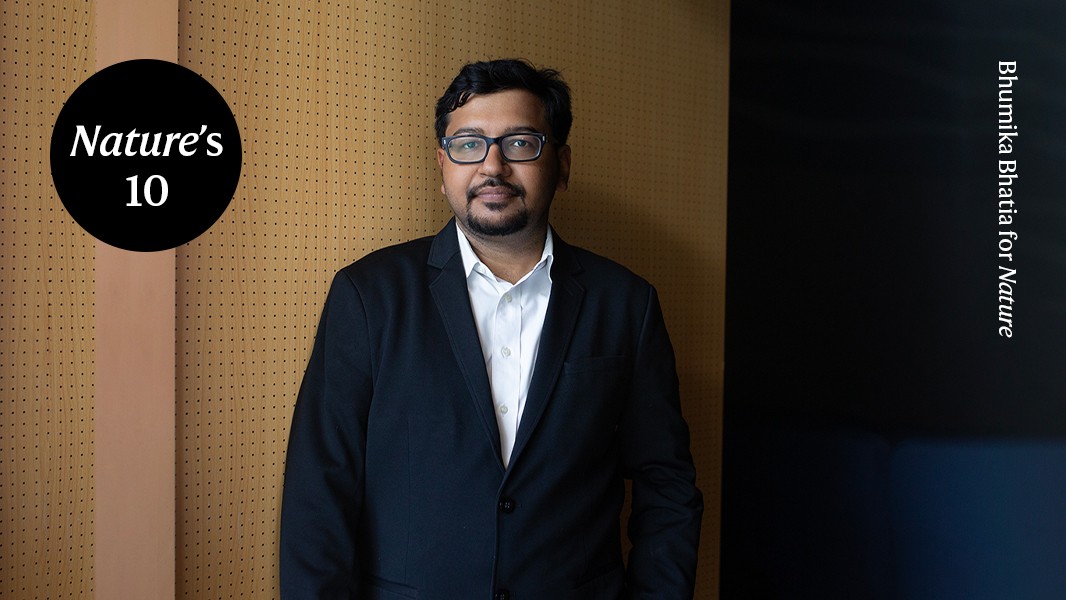
"Achal Agrawal had just finished giving a lecture when an enthusiastic undergraduate student approached him with an idea for a research project. Agrawal was delighted, until the student described how he had previously used software to paraphrase published work. Agrawal explained that doing so was considered plagiarism - a serious violation of research integrity - but the student insisted that it was not, because the work passed the university's plagiarism checks. "I was shocked," recalls Agrawal, now a freelance data scientist in Raipur, India."
"The interaction, in late 2022, made Agrawal realize how ingrained such misconduct had become - and it cemented his resolve to do something about the issue. He left his university job a month later and has since dedicated his time to raising awareness about research-integrity breaches in India. This unpaid work has placed him at the centre of the nation's conversation about academic incentives."
An undergraduate used paraphrasing software to reword published work, producing text that passed university plagiarism checks but constituted plagiarism. A researcher confronted the student, then left his university post and began unpaid work raising awareness of research-integrity breaches across India. The government revised the National Institutional Ranking Framework (NIRF) to penalize institutions with a considerable number of retracted papers, affecting current scores and influencing eligibility for some grant schemes. The reform is the first of its kind for a national ranking system and shifts incentives away from rewarding high publication counts regardless of quality.
Read at Nature
Unable to calculate read time
Collection
[
|
...
]