"There has been rapid growth of the nation's now US$4 billion school security industry. Schools have many options, from traditional metal detectors and cameras to gunshot detection systems and weaponized drones. There are also purveyors of artificial-intelligence-assisted surveillance systems that promise prevention: The gun will be detected before any shots are fired, and the shooting will never happen. They appeal to institutions struggling to protect their communities, and are marketed aggressively as the future of school shooting prevention."
"Implementation has not lagged. A survey from Campus Safety Magazine found that about 24% of K-12 schools report video-assisted weapons detection systems, and 14% use gunshot detection systems, like ShotSpotter. Gunshot detection uses acoustic sensors placed within an area to detect gunfire and alert police. Research has shown that gunshot detection may help police respond faster to gun crimes, but it has little to no role in preventing gun violence."
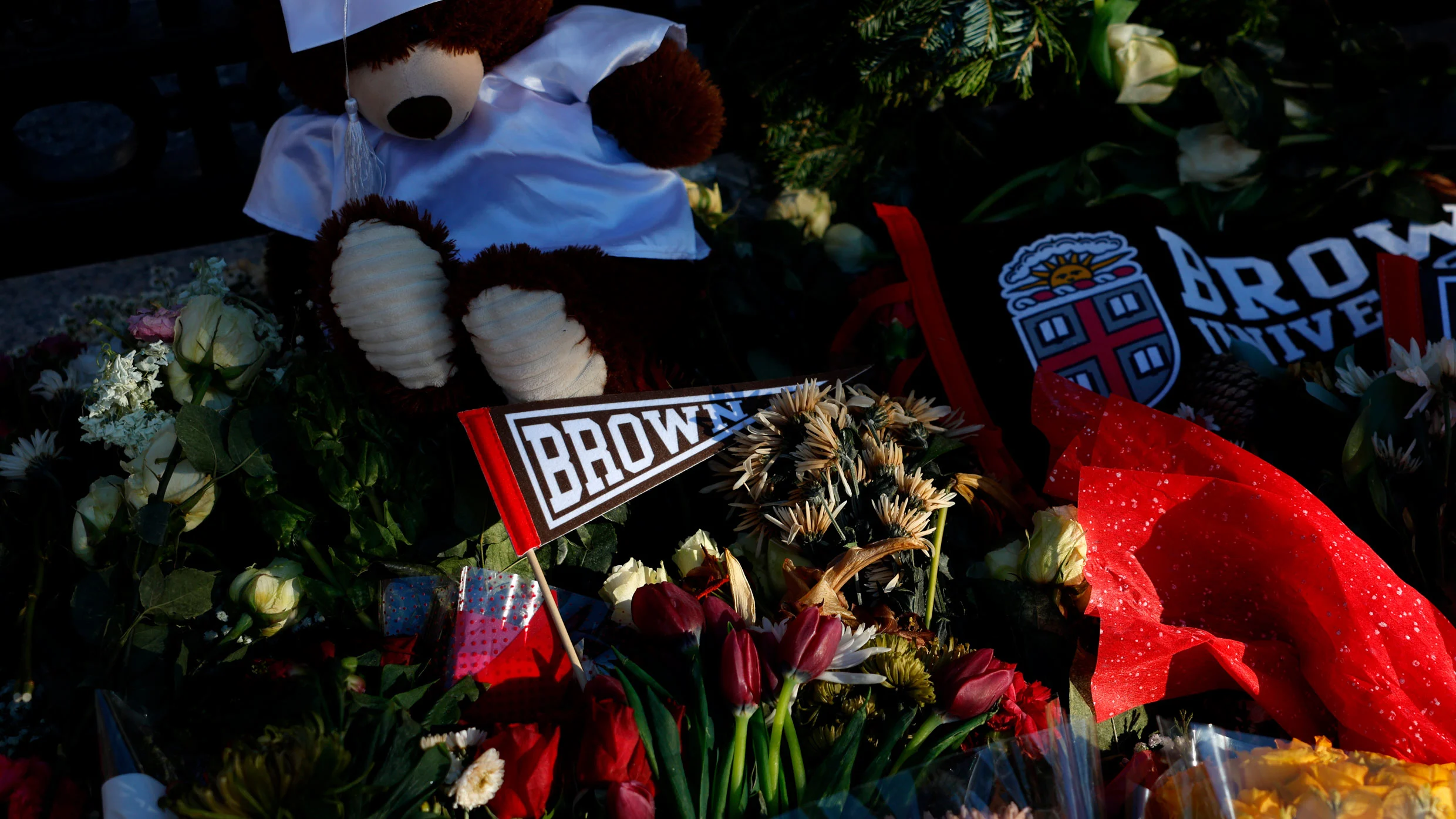
On Dec. 13, 2025, a shooter entered a Brown University lecture hall, striking eleven students and killing two. A petition called for measures such as ID-card entry and improved surveillance cameras. The school security industry has grown rapidly to about US$4 billion and offers metal detectors, cameras, gunshot detection systems, weaponized drones and AI-assisted surveillance that claim to prevent shootings before they occur. These technologies are marketed as the future of school shooting prevention. Available research and evidence show little support for their effectiveness in preventing shootings. Surveys indicate substantial implementation despite limited preventive proof.
Read at Fast Company
Unable to calculate read time
Collection
[
|
...
]