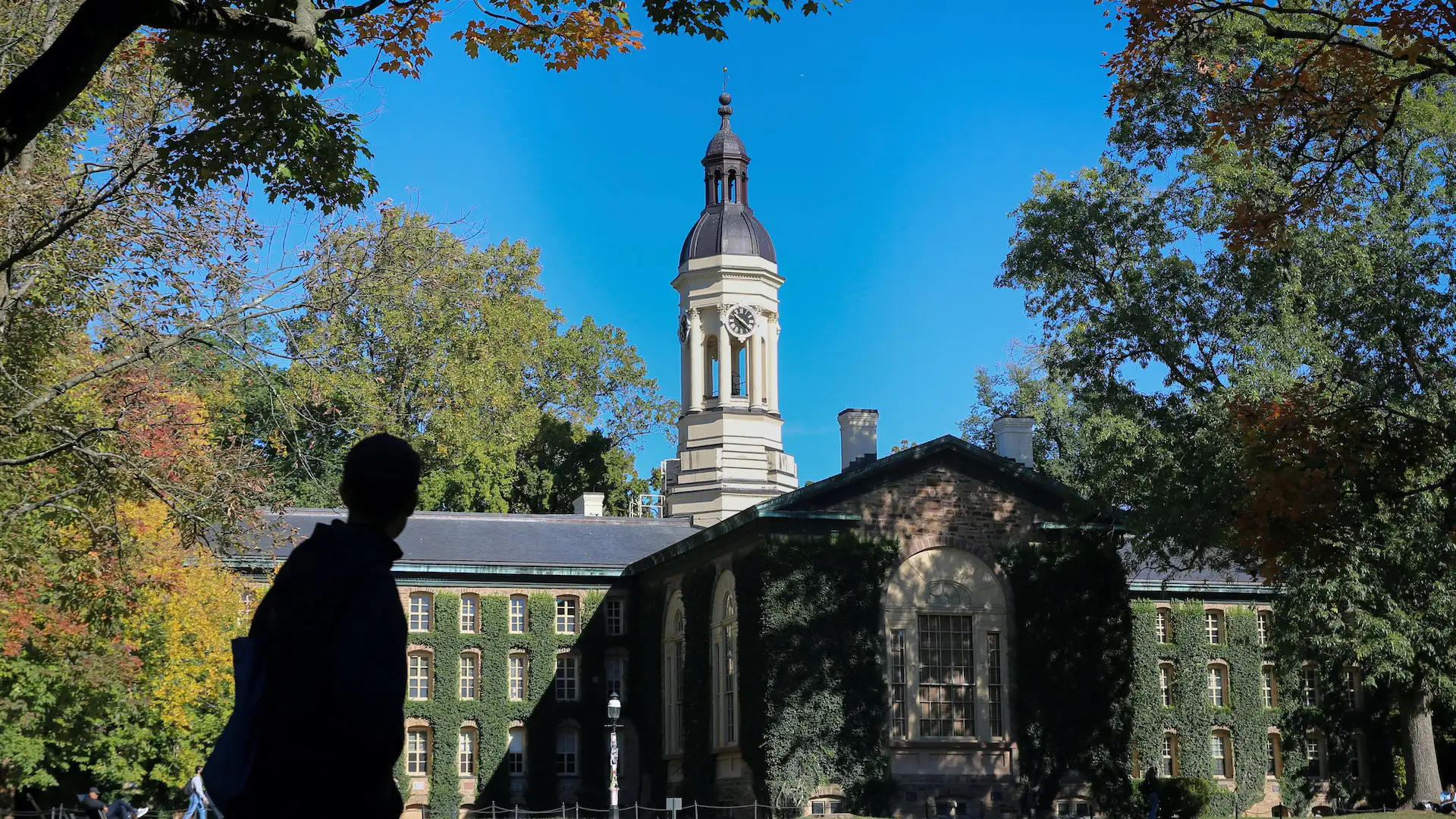
"At Princeton University, this year's freshman class has more low-income students than ever. One in four are eligible for federal Pell grants, which are scholarships reserved for students with the most significant financial need. That's a leap from two decades ago, when fewer than 1 in 10 were eligible. "The only way to increase socioeconomic diversity is to be intentional about it," Princeton President Christopher Eisgruber said in a statement."
"The strategy could lead to friction with the federal government. The Trump administration, which has pulled funding from elite colleges over a range of grievances, has suggested it's illegal to target needier students. College leaders believe they're on solid legal ground. Last year, Princeton set aggressive goals to recruit more low-income students in the wake of the Supreme Court's ban on affirmative action in higher education."
Some of the nation's most prestigious colleges are enrolling record numbers of low-income students and prioritizing socioeconomic diversity after the Supreme Court banned affirmative action. Many selective campuses still enroll large shares of students from the wealthiest 1%, but several universities have accelerated recruitment in urban and rural areas and expanded free tuition offers for lower- and middle-income families. Princeton's incoming class includes one in four Pell-eligible students, up from fewer than one in ten two decades ago. The Trump administration has signaled legal objections to targeting needier students and has pulled funding from some campuses; college leaders contend their efforts comply with the law.
Read at Fast Company
Unable to calculate read time
Collection
[
|
...
]