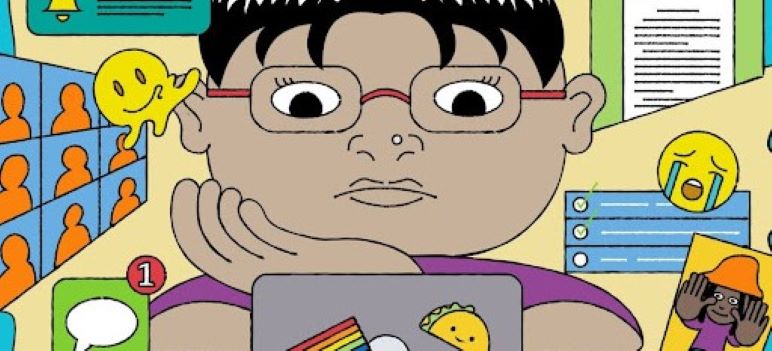
California community colleges enroll more than two million students and form the largest higher education system in the country. Campus activity declined during the COVID-19 pandemic, and many students continued working from home even after in-person classes resumed. Around 40% of community college classes are online, and funding depends largely on enrollment, creating incentives to offer more online courses. Online education is often described as more accessible for students with children or full-time jobs. Common complaints include reduced engagement, loneliness, impersonal instruction, and distraction. Online classrooms also face bots and scammers that use AI to mimic students, submit assignments, and steal financial aid, while AI is also used by students for assignments and by teachers for grading.
"California's community colleges represent the largest higher education system in the country - more than 2 million students, or 60 times the undergraduate population of UC Berkeley. But walking around a community college campus, it's often hard to tell. Since the COVID-19 pandemic, cafeterias and local coffee shops are quieter, fewer students are sitting on the quad and, with less foot traffic, the grass is lush."
"Even after campuses returned to in-person classes, many students are still working from their dining room table: About 40% of all community college classes are online, according to Melissa Villarin, a spokesperson for the California Community Colleges Chancellor's Office. The state's community colleges are funded based largely on the number of students they enroll, and since students prefer online courses, there's an incentive for schools to expand them."
"Ask students or professors about the merits of online education, and they'll often say it's more accessible, especially for students who have kids or are working a full-time job. The same argument is often true at the University of California and California State University campuses, which offer considerably more online courses than before the pandemic, though far fewer than the community colleges."
"Ask students or professors about the problems of online education, and they'll point to any number of the familiar complaints: a lack of engagement, a sense of loneliness, impersonal lectures, and the temptation to move the Zoom window aside and click on something else. In online classrooms where the majority of students keep their cameras off, bots and scammers have become a systemwide problem: they use AI and other algorithms to mimic real students, submit assignments and steal financial aid."
#california-community-colleges #online-education #higher-education-funding #ai-academic-fraud #student-engagement
Read at San Jose Inside
Unable to calculate read time
Collection
[
|
...
]