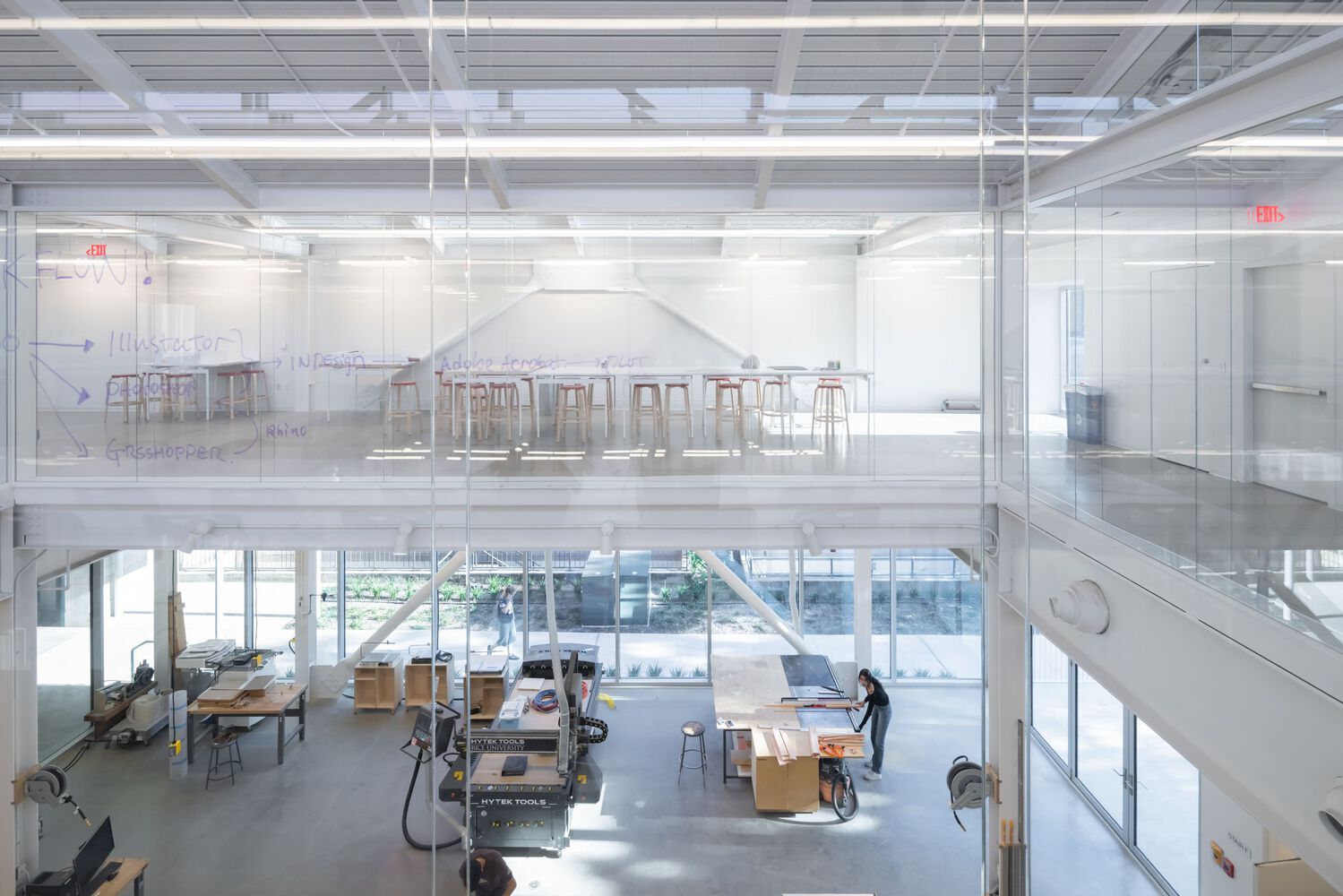
"The Architect Registration Examination (ARE) framework provides a productive lens for understanding how architectural education cultivates the competencies required for sustained engagement with the built environment. Accreditation processes through NCARB ensure that educational programs remain aligned with modern professional standards. The six divisions of the examination articulate interrelated domains of knowledge that range from ethical orientation and managerial coordination to analytical investigation, design synthesis, technical documentation, and construction evaluation."
"Recent federal discussions regarding the reclassification of architecture as a degree that no longer carries professional standing have intensified the need to articulate the purpose and structure of accredited programs. These political conditions have produced a moment in which the internal coherence of architectural curricula intersects with broader questions on public welfare, technical accountability, and the ethical responsibilities that define professional expertise."
Federal moves to reclassify architecture degrees have heightened urgency to define the purpose and structure of accredited programs. Political pressures bring curricular coherence into contact with public welfare, technical accountability, and the ethical responsibilities that underpin professional expertise. The Architect Registration Examination (ARE) offers a framework for mapping required competencies across ethical orientation, managerial coordination, analytical investigation, design synthesis, technical documentation, and construction evaluation. NCARB accreditation aligns programs with contemporary professional standards. Competencies develop progressively through coursework, design studios, research projects, and community partnerships, creating a coherent sequence of learning that readies graduates to manage environmental complexity, cultural variation, and multifaceted spatial and technical challenges.
Read at ArchDaily
Unable to calculate read time
Collection
[
|
...
]