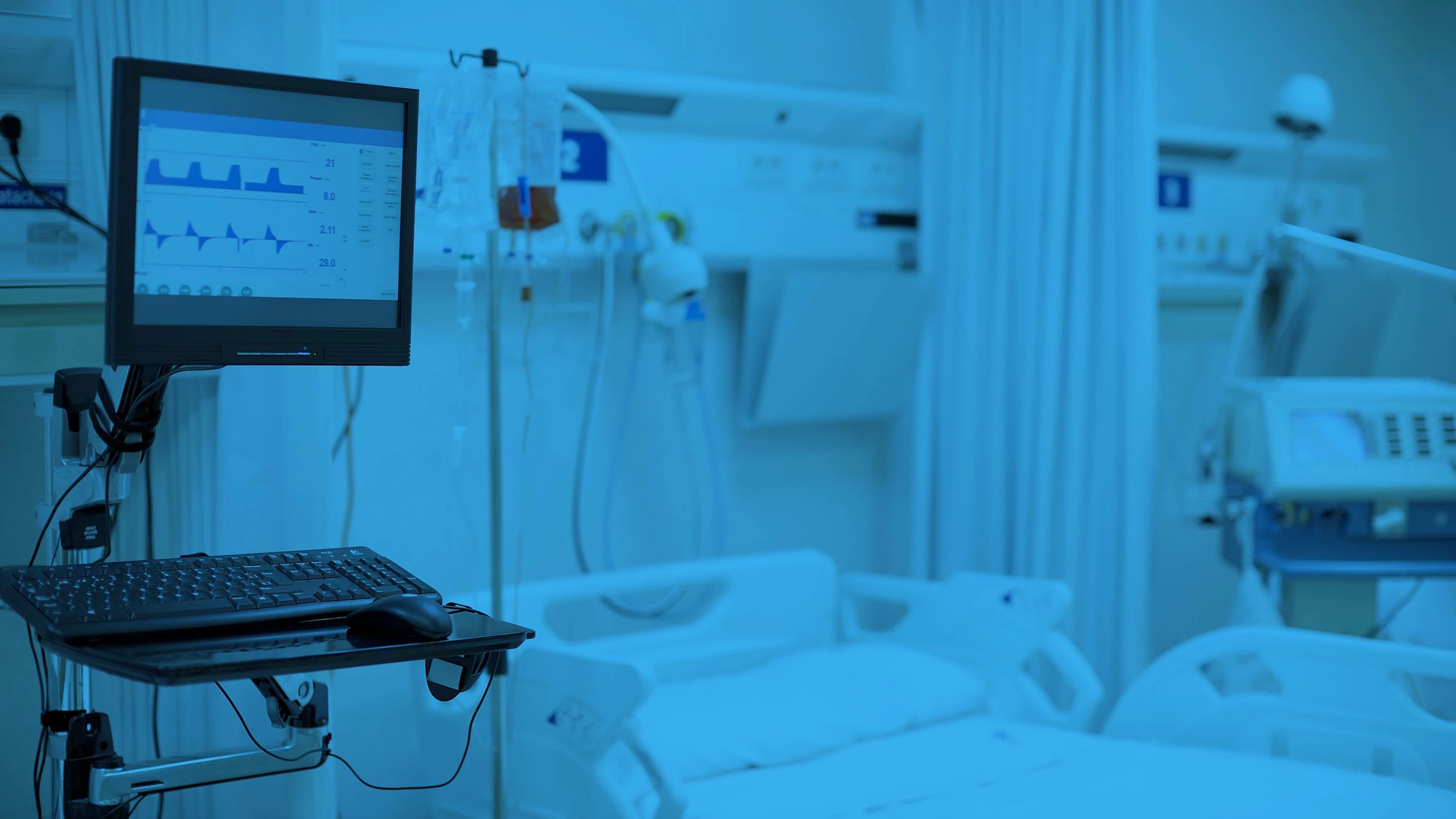
Intensive care units generate constant alarms, beeps, and alerts that create alarm fatigue among clinicians and disrupt patient sleep, undermining recovery. Alarm fatigue causes stress and exhaustion as staff must distinguish routine signals from urgent distress. Ophir Ronen experienced similar alert overload in search-and-rescue and IT operations and founded CalmWave in 2022 to reduce unnecessary alarms, prioritize critical events, and build labeled datasets. CalmWave integrates monitoring streams and electronic medical records so vital signs and treatment timelines, including medication administrations, appear in a unified view to help clinicians focus on alarms that truly demand action.
"Hospital intensive care units are notoriously noisy, with medical equipment emitting alarms, beeps, and other alerts designed to grab the attention of overextended healthcare workers. That constant barrage can lead to what experts call alarm fatigue, causing stress and exhaustion for doctors and nurses who must distinguish between routine signals and those indicating a patient is in urgent distress. Patients, too, often struggle to rest amid the cacophony, even though sleep is critical to recovery."
"To Ophir Ronen, a serial tech entrepreneur who sold his IT alert-handling startup Event Enrichment HQ to PagerDuty, the problem sounded familiar. Ronen first encountered the ICU alarm issue while volunteering in search and rescue, and he realized that although "alarm fatigue" has been widely discussed in scientific literature, no one had yet developed a comprehensive solution. "I thought to myself, 'wow, we certainly experienced the problem of alarm fatigue in operations and enterprise IT-I wonder if it's the same pattern,'" he says."
"Like other complex IT operations, Ronen found that critical information in hospitals is siloed across at least two systems: electronic medical records (EMR), which track diagnoses and treatments, and networks of sensors and monitoring systems that log vital signs and trigger alarms. Those monitoring data points typically never make it into EMR systems, which aren't designed to handle that volume of information, Ronen says. CalmWave's technology integrates both streams."
Read at Fast Company
Unable to calculate read time
Collection
[
|
...
]