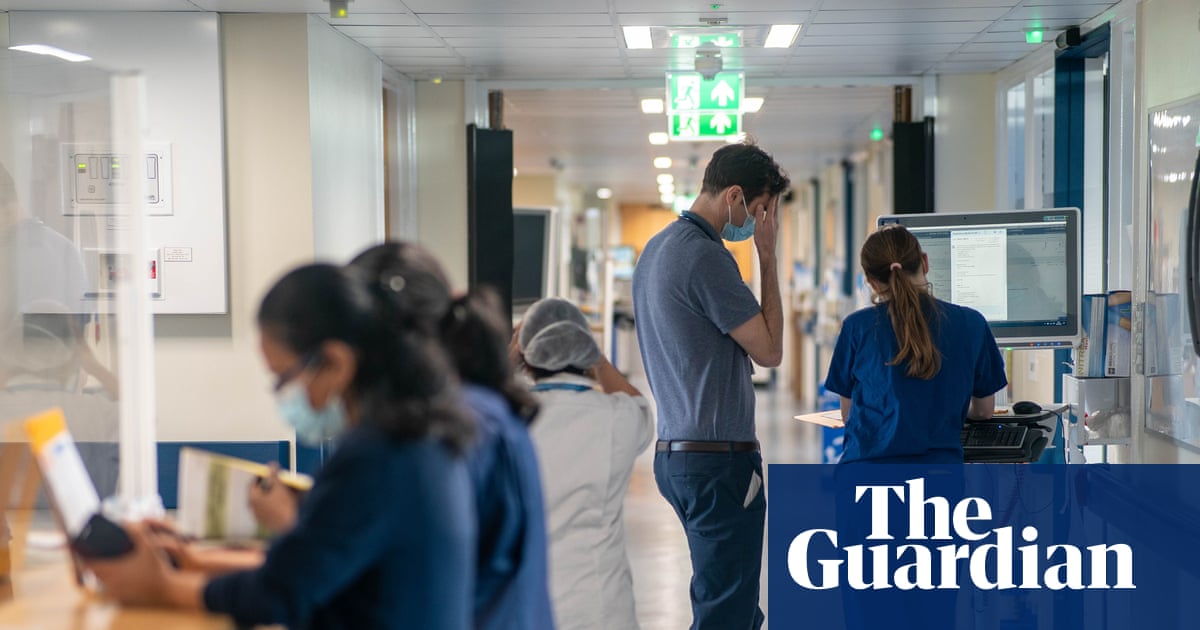
"Thirty-six per cent of UK doctors and 24% of nurses and midwives were trained elsewhere in the world. The number of visas granted to healthcare professionals has fallen sharply in recent years. But overseas staff would be needed for the foreseeable future, the APPG said."
"We must grow our own workforce. But in a shrinking world, pretending health workforces are purely national assets, is no longer credible. If we benefit from health workers trained overseas, we also have a duty to help strengthen the systems they come from."
"The World Health Organization forecasts a global shortage of 11 million health workers by 2030. Today, almost a quarter of the world's doctors, nurses and midwives are concentrated in just 10 high-income countries. There are around 30 doctors for every 10,000 people in the UK, compared with nine in India, six in the Philippines and one in Ghana."
An all-party parliamentary group inquiry found that NHS England's plan to reduce international healthcare worker recruitment to 10% by 2035 is overambitious, as the health service currently relies on 36% foreign-trained doctors and 24% foreign-trained nurses and midwives. The NHS saved over £14 billion through international recruitment. However, many source countries face severe staff shortages, and the UK has a moral obligation to support these nations rather than simply extracting their workforce. A global shortage of 11 million health workers is forecast by 2030, with high-income countries concentrating nearly a quarter of the world's doctors, nurses, and midwives. Countries like Kenya and Uganda are losing experienced healthcare professionals, affecting workforce development. The inquiry concluded that overseas staff will remain necessary for the foreseeable future.
#international-healthcare-workforce #nhs-recruitment-policy #global-health-worker-shortage #medical-migration-ethics
Read at www.theguardian.com
Unable to calculate read time
Collection
[
|
...
]