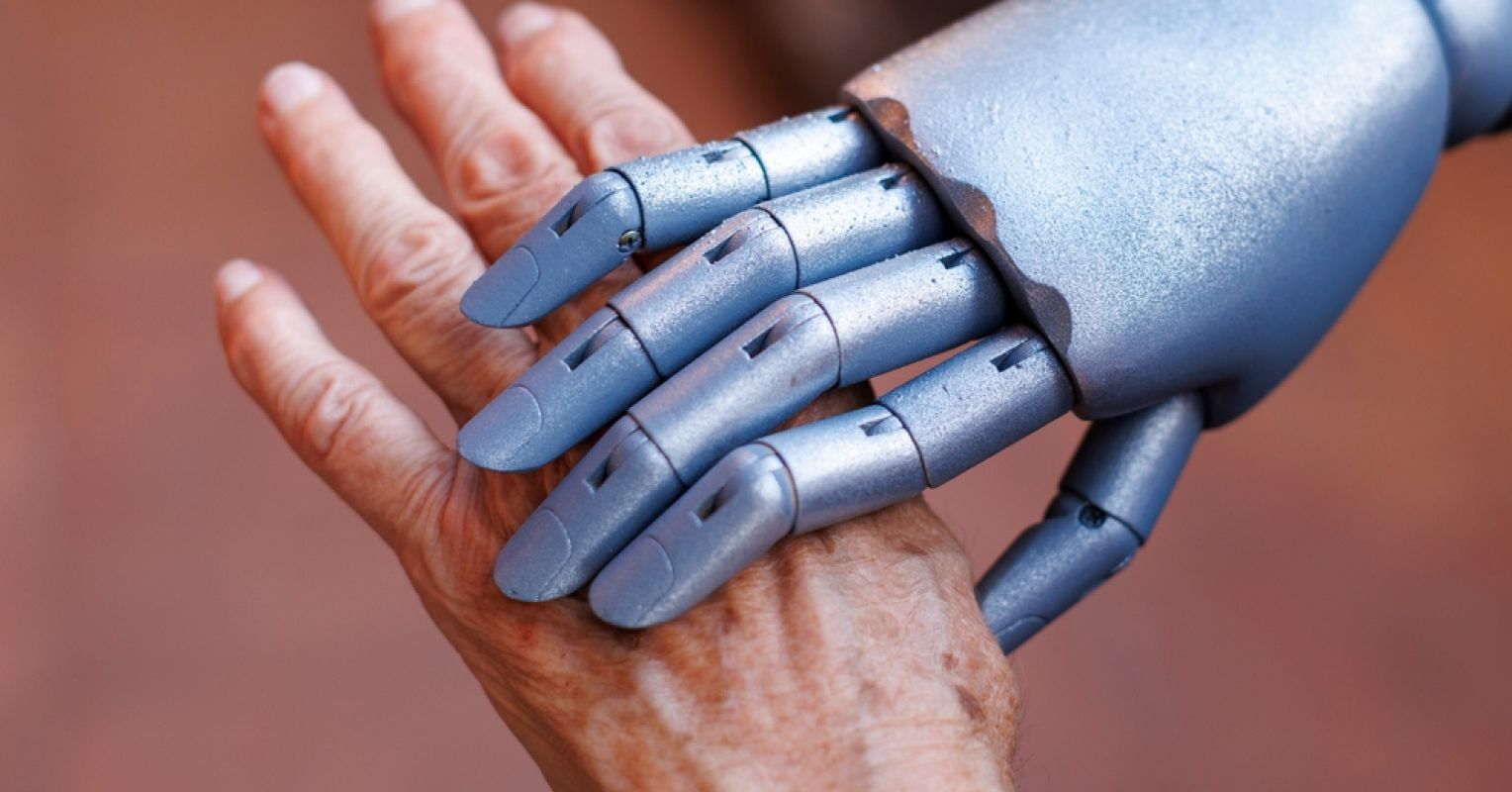
America faces an eldercare crisis driven by a rapidly aging population, a declining birthrate, and an overburdened caregiving workforce. Adults 65+ grew 3.1% from 2023 to 2024 while children under 18 shrank; in nearly half of counties seniors outnumber children. Half of Americans 65+ have no savings for future living assistance, and outsourcing care costs often exceed $75,000–$100,000 annually. Medicaid covers care only after assets are depleted. Robots could offer one-time-capital solutions that operate around the clock, self-charge, and receive cloud updates. Robot caregivers raise ethical concerns about social isolation but could also enable mobility and enhance socialization.
"America faces an eldercare crisis. We have a rapidly aging population, a declining birthrate, and a care-giving workforce that is burning out and increasingly facing deportation. From 2023 to 2024, the number of adults 65 and older grew by 3.1% while the number of children under 18 shrank. In nearly half of U.S. counties, seniors outnumber children. Half of Americans 65 and older have nothing at all saved for future living assistance. We must start thinking about who will take care of grandma and grandpa."
"I believe that robots will assume the care of many of them. A robot would ideally be a one-time expense, requiring minimal maintenance and receiving updates through cloud-computing technology. A limited number of friends and relatives would struggle to provide unpaid stopgap care to aging adults. By contrast, a robot could function around the clock. I've treated elderly patients who had been found wandering the streets, lying in their own excrement, or simply dehydrated because of gaps in care."
"But robot caregivers leave all of us with ethical questions. Robot-led eldercare could further isolate seniors who might be better served by community activities in an assisted-living or nursing home. Although social isolation remains a real problem, though, robots need not mean loneliness. Reliable robotic companions could accompany seniors outside the home for strolls or to community events. They could enhance, rather than diminish, socialization."
Read at Psychology Today
Unable to calculate read time
Collection
[
|
...
]