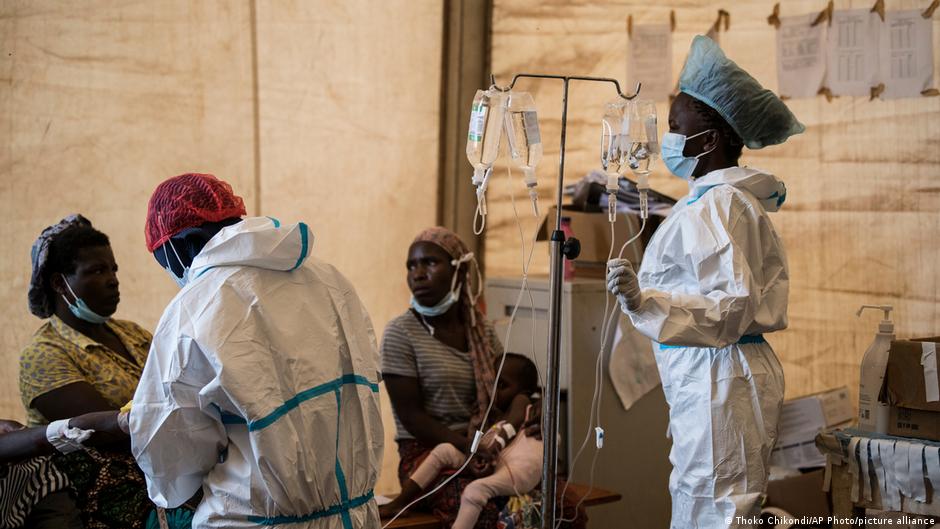
"The directive goes even further, ordering any public health worker who owns or partly owns a private facility to divest within 30 days or face dismissal and possible legal action. The move follows the publication of an investigative report by the Nyasa Times newspaper that uncovered a coordinated system of corruption documented across multiple public hospitals, where patients were routinely forced to pay illegal 'fees' for services that should be free."
"Undercover reporting documented how security guards, clerks, nurses and clinicians operated coordinated bribery networks, allowing those who paid to skip queues while others waited for days without care. The investigation showed how access to treatment had functioned like a cash-based system for access to care, leaving poor patients stranded, delayed or denied services across multiple facilities."
"Mutharika argued that some public hospital staff have demanded informal payments, diverted patients from government facilities to their own private clinics, and even siphoned medicines from public hospitals to resell in private pharmacies. Reports also indicate that some health workers routinely arrived late or left early from their public-sector posts to attend private patients, creating dangerous service gaps in facilities already overstretched and understaffed."
Malawi's government implemented a comprehensive ban on dual practice, prohibiting public-sector doctors and nurses from working in private facilities while employed by the state. Public health workers who own or partly own private facilities must divest within 30 days or face dismissal and legal action. An investigative report revealed coordinated corruption across multiple public hospitals, where patients paid illegal fees for services that should be free. Security guards, clerks, nurses, and clinicians operated bribery networks allowing paying patients to skip queues while others waited days without care. Public health workers diverted patients to private clinics, siphoned medicines for resale, and neglected government posts to serve private patients. President Mutharika stated the ban was necessary to restore public trust and ensure equitable access to government healthcare services.
#healthcare-corruption #dual-practice-ban #public-health-policy #medical-ethics #healthcare-access-inequality
Read at www.dw.com
Unable to calculate read time
Collection
[
|
...
]