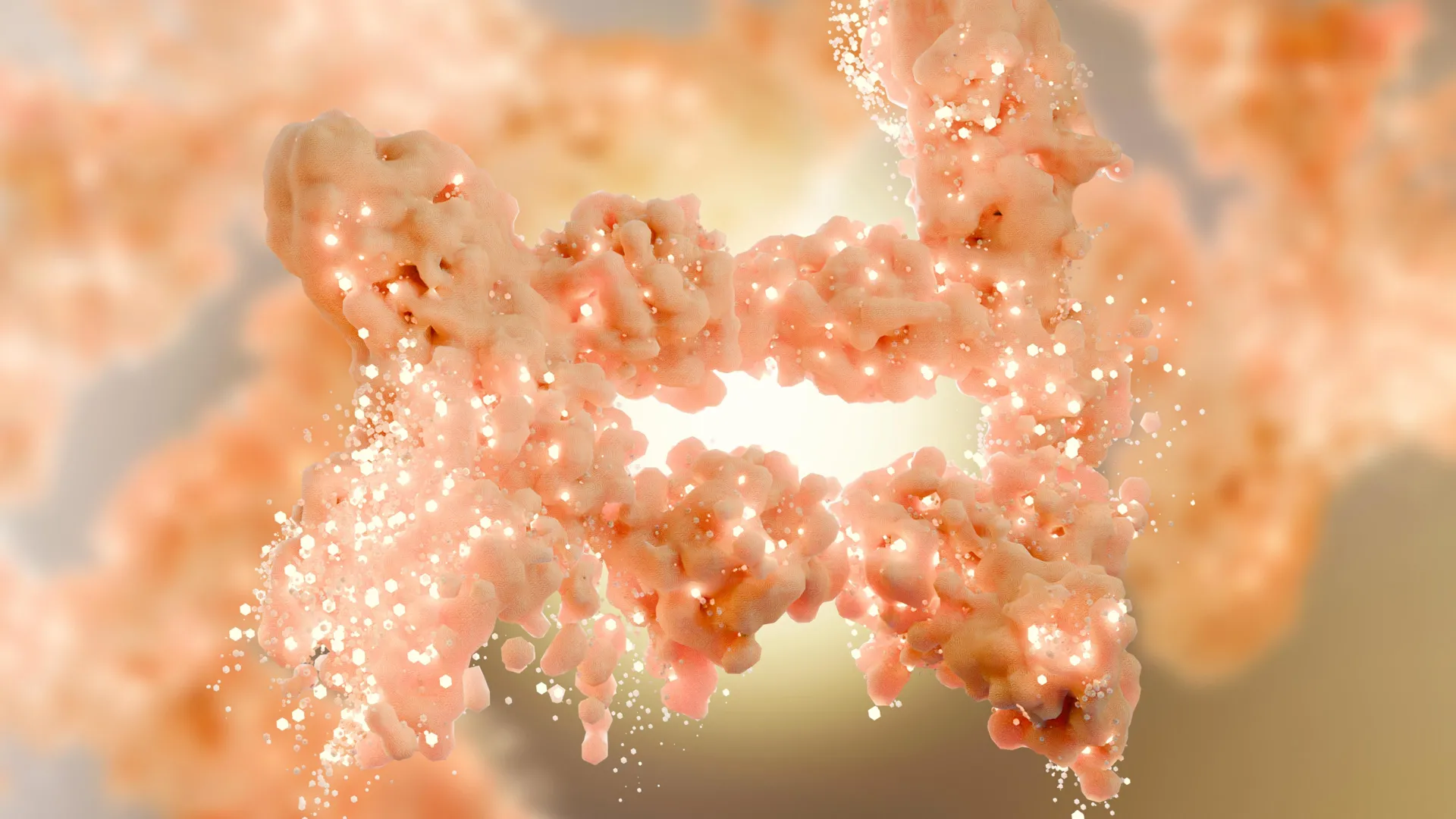
"Fat cells, known as adipocytes, are not just passive storage units for excess weight. They play an active role in managing how the body uses and stores energy."
"Research in mice and in people with mutations in the HSL gene shows a surprising outcome. Instead of gaining fat, these individuals actually lose it."
"Rather than causing obesity, the absence of HSL disrupts normal fat storage and results in reduced fat mass."
"Although obesity and lipodystrophy appear to be opposite conditions, they share hidden risks, suggesting a more complex interplay in fat metabolism."
Research reveals that the protein HSL, known for fat release, also maintains healthy fat tissue. Its absence leads to lipodystrophy, a condition with insufficient fat tissue, rather than obesity. This finding indicates that fat cells actively manage energy storage and usage, challenging previous notions about fat regulation. The relationship between obesity and lipodystrophy highlights shared risks, suggesting a more complex interplay in fat metabolism and health outcomes than previously understood.
Read at ScienceDaily
Unable to calculate read time
Collection
[
|
...
]