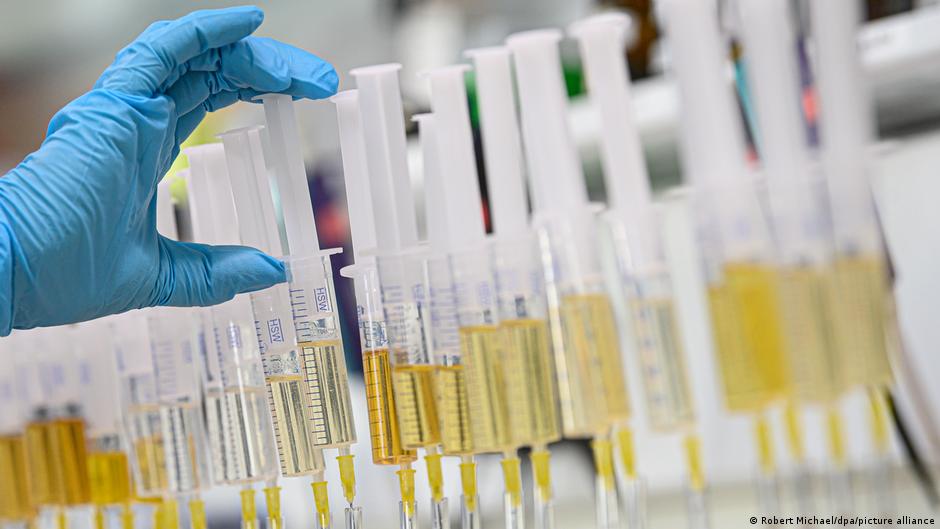
Athletes compete at the Enhanced Games in Las Vegas using performance-enhancing substances for the first time under a new competition model. The event is founded by Aron D'Souza and permits athletes to perform without conventional anti-doping rules. Substances must be approved by the US Food and Drug Administration and taken under medical supervision, while athletes otherwise have discretion. Enhancement is framed as not entirely new, with historical examples such as olive oil in ancient Olympics and alcohol use in early modern sport. Modern enhancement strategies are described as anabolic steroids for muscle and recovery, blood doping and EPO for oxygen delivery, and stimulants to reduce fatigue. Peptides may increase beneficial hormone production, though evidence varies by substance.
"Founded by Australian businessman Aron D'Souza, the competition allows athletes to perform without conventional anti-doping rules. Substances must be approved by the US Food and Drug Administration and taken under medical supervision. But otherwise, it's up to the athletes."
"Many of the substances associated with the most infamous form of enhancement sports doping are scientifically well understood. Michael Joyner, a physiologist at the Mayo Clinic in the US, told DW that modern enhancement strategies generally fall into three broad categories: Anabolic steroids that increase muscle mass and recovery Blood doping and EPO that improve oxygen delivery Stimulants that reduce fatigue"
""There is clear evidence that steroids, blood doping/EPO, and amphetamines work," said Joyner. "Less so for the peptides and other substances.""
""Back in the ancient Olympics, this included putting olive oil on the body to control body temperature," Miah told DW. "When modern sports began, it was common for the athletes to have a shot of alcohol, which was believed, mistakenly, to have an enhancing impact.""
Read at www.dw.com
Unable to calculate read time
Collection
[
|
...
]