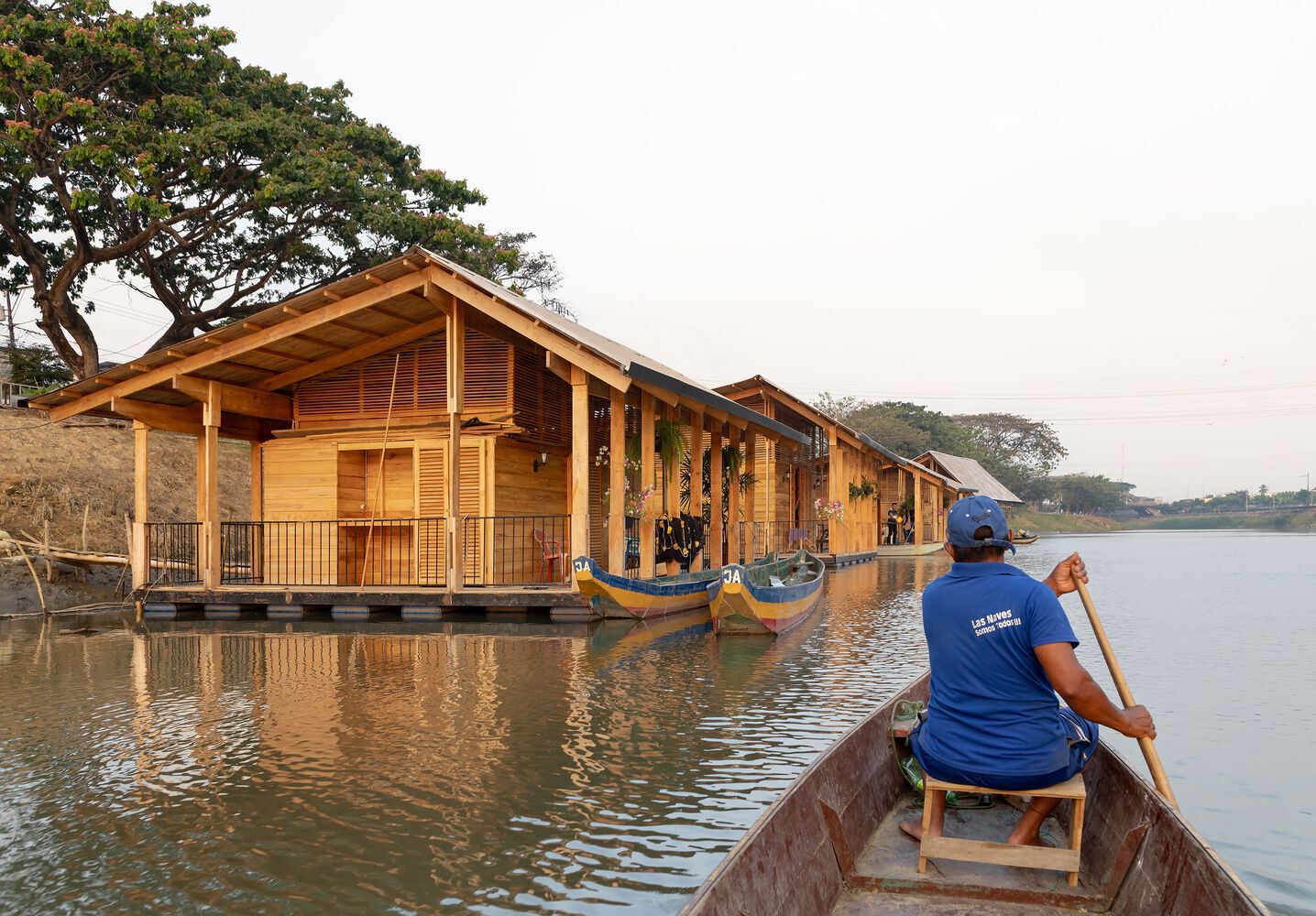
"Health has become a central concern in architecture, planning, and design, driven by a growing awareness of how the built environment influences physical, mental, social, and environmental well-being. In 2025, this awareness moved beyond specialized building types or performance metrics and became central to architectural decision-making, informing how spaces are conceived, built, and inhabited across diverse contexts. Architects are no longer treating health as an external requirement but as an integral condition of everyday life."
"This shift reflects broader pressures shaping contemporary practice, including social inequality, displacement, environmental instability, aging populations, and the cumulative effects of stress and isolation. As health systems and public policy struggle to respond at the required pace and scale, architecture increasingly operates at the intersection of care, environment, and culture, translating complex health challenges into spatial, material, and social responses."
"As the year concludes, this article reflects on lessons from 2025 through a set of built projects that reveal how health has informed architectural practice across regions and scales. Each project is examined as a distinct lens on health, from collective care and ecological stewardship to mental well-being, autonomy across the life course, domestic environmental quality, and spaces for shared encounter. Together, they suggest that health is not a singular design goal, but a guiding ethic that increasingly defines how architecture engages with life itself."
Health increasingly defines architectural decision-making, moving beyond specialized building types and performance metrics to shape how spaces are conceived, built, and inhabited across diverse contexts. Broader pressures—social inequality, displacement, environmental instability, aging populations, and cumulative stress and isolation—drive this shift. Architecture now operates at the intersection of care, environment, and culture, translating complex health challenges into spatial, material, and social responses. Buildings, landscapes, and infrastructure actively shape how people move, gather, recover, and coexist. Built projects from 2025 demonstrate health-informed practice across regions and scales, treating health as a guiding ethic rather than a singular design goal.
Read at ArchDaily
Unable to calculate read time
Collection
[
|
...
]