"With him at the helm, he declared, every political decision would be preceded by the question: Will this benefit Germany's economic competitiveness? It certainly sounded plausible. After all, before returning to politics, Merz had made his fortune in the business world. For four years, he served as chairman of BlackRock's supervisory board in Germany, and he wrote a book entitled "Dare to Embrace More Capitalism.""
"As a candidate for chancellor, Merz promised that there would be no more "left-wing politics in Germany," and shortly after taking office, he called for greater economic efficiency. "We will not be able to maintain the prosperity of this country by relying solely on a four-day workweek and work-life balance." In mid-May 2025, entrepreneurs and managers celebrated him for that statement during Economic Day, an event organized by the CDU's Economic Council."
"With around 13,000 members from the business community, the Economic Council is not a party committee. It is a lobbying association that represents business interests and sees itself as an advisor to the CDU. From 2019 to 2021, Friedrich Merz himself served as vice president of the Economic Council."
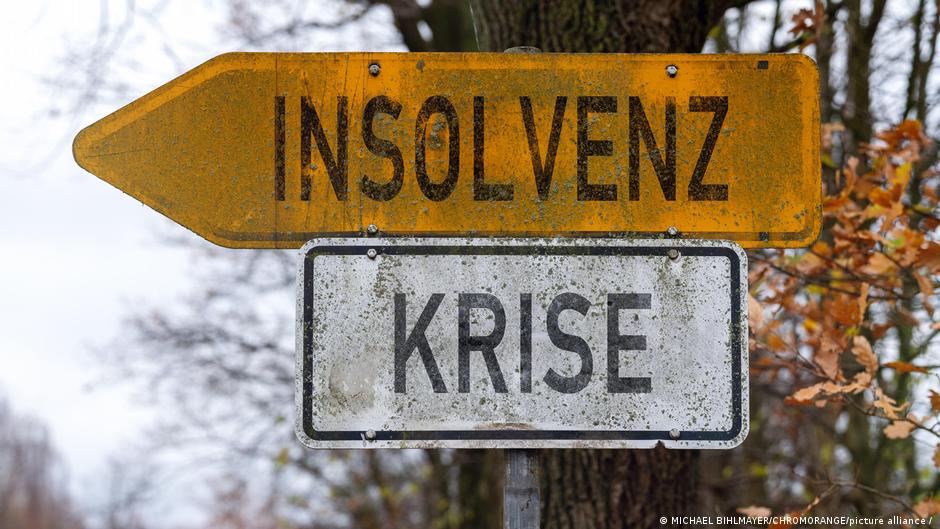
"From an economic perspective, Merz has failed in his first year in office, delivering little of what he had grandly promised. The Federation of German Industries reported: "Hardly any of the urgently needed structural reforms that were announced have been implemented. There is no overall plan for concrete reforms to promote growth and competitiveness.""
Friedrich Merz took office in May 2025 and promised an economic turning point for Germany. He said every political decision would be preceded by whether it benefits Germany’s economic competitiveness. He emphasized efficiency and argued that prosperity could not be maintained through a four-day workweek and work-life balance alone. His background in business included serving as chairman of BlackRock’s supervisory board in Germany and writing a book advocating more capitalism. He also called for an end to left-wing politics in Germany. Business leaders praised his efficiency stance at an event organized by the CDU’s Economic Council, a business lobbying association. In his first year, the Federation of German Industries reported that urgently needed structural reforms had not been implemented and that no overall plan for concrete growth and competitiveness reforms existed.
Read at www.dw.com
Unable to calculate read time
Collection
[
|
...
]