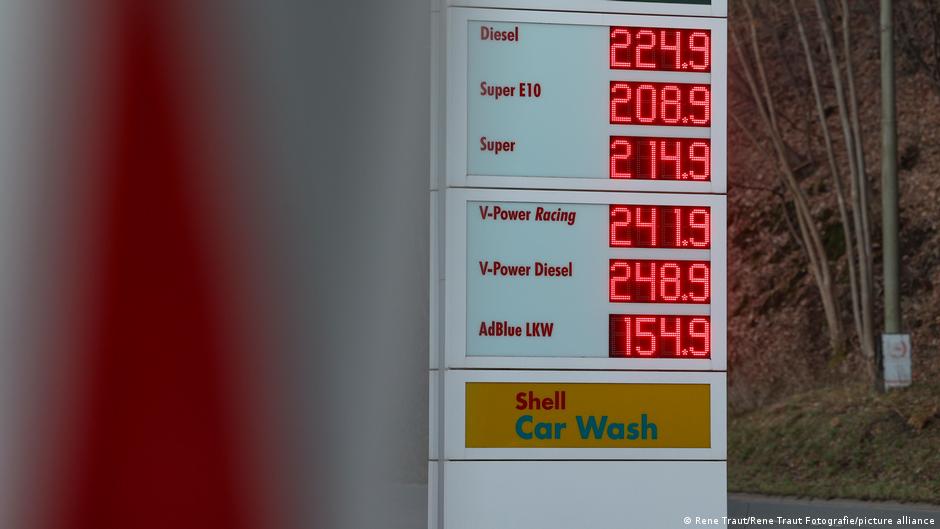
"Germany, Austria, Japan, and France all signal movement. German Economy Minister Katherina Reiche called a lunchtime press conference in Berlin, a day after Finance Minister Lars Klingbeil had said the government was open to releasing some of its reserves. At around the same time, Austria's government said it would limit increases in diesel and gasoline prices at fuel stations to once per day and that it would take part in international plans to release some of the oil reserves."
"French Economy Minister Roland Lescure said that the flurry of announcements 'are without any doubt part of an extremely coordinated approach.' After talks between G7 ministers on Tuesday, experts at the International Energy Agency (IEA) were charged with debating the pros and cons of releasing some oil reserves and presenting their findings to EU and Western governments."
"Reuters news agency reported, citing IEA sources, that the plan was to initially release 100 million barrels, as part of a broader move to release 400 million barrels over time. Oil prices have risen fairly sharply since the attacks on Iran and the subsequent fighting in the Gulf region, with oil deliveries through the Strait of Hormuz severely impacted."
Germany, Austria, Japan, and France announced coordinated measures to stabilize oil and fuel prices following attacks on Iran and regional conflict. Germany's Economy Minister called a press conference after the Finance Minister indicated willingness to release government oil reserves. Austria implemented daily price caps on diesel and gasoline at fuel stations and committed to international reserve releases. Japan issued similar statements, while France's Economy Minister characterized the announcements as part of an extremely coordinated international approach. Following G7 ministerial talks, the International Energy Agency was tasked with evaluating the benefits and drawbacks of releasing oil reserves. The coordinated plan involved initially releasing 100 million barrels, with plans for 400 million barrels over time. Oil prices had risen sharply due to regional tensions affecting Strait of Hormuz deliveries but remained below earlier peaks of over $100 per barrel.
#oil-reserve-release #fuel-price-regulation #international-coordination #regional-conflict-impact #energy-crisis-response
Read at www.dw.com
Unable to calculate read time
Collection
[
|
...
]