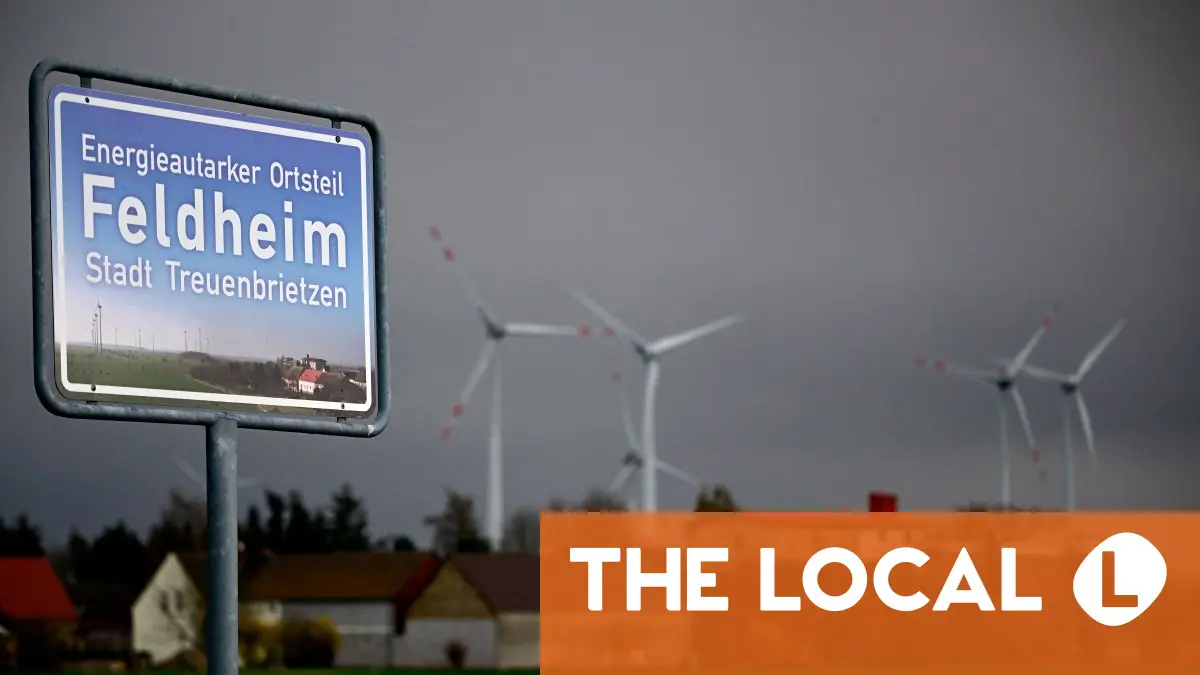
"Feldheim, population 130, boasts its own electricity and heating networks, supplied entirely by cheap local energy, also including biogas. The village pays an average of 12 cents before tax per kilowatt hour of electricity, less than half the price usually paid elsewhere in Germany."
"Feldheim started its move towards clean renewables in the 1990s after German unification and by 2010 was boasting of its 'energy self-sufficiency'. The process has benefited from unique local conditions and significant investments."
"Excess energy is stored in a battery for use in periods with little sun or wind, so-called 'dark lulls'. One wind turbine provides enough power for the whole village, while others generate revenue through taxes and charges."
Feldheim, a village in Germany, has achieved energy self-sufficiency through renewable sources like wind, solar, and biogas. The village, with a population of 130, has its own electricity and heating networks, allowing residents to pay significantly lower energy costs. Feldheim's transition to clean energy began in the 1990s, and by 2010, it was recognized for its sustainable practices. Local conditions and investments have contributed to its success, making it a model for energy transition away from fossil fuels and nuclear power.
Read at The Local Germany
Unable to calculate read time
Collection
[
|
...
]