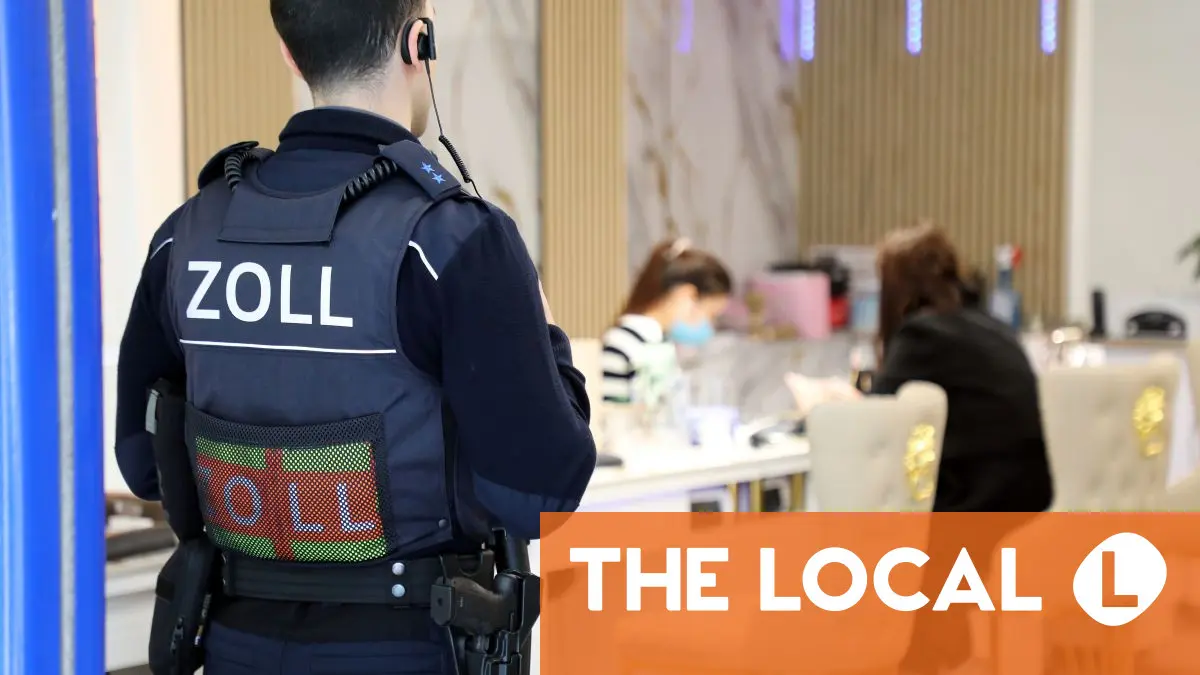
Germany’s federal cabinet approved reforms to human trafficking laws to help police identify more cases of foreign worker exploitation. The reforms expand criminal liability beyond paying for sex with an exploited worker to include customers of businesses that traffic workers. The change targets sectors such as construction, slaughterhouses, restaurants, and nail salons, where immigrant labor is heavily used and exploitation can be hidden. Human trafficking is defined as exploiting someone through coercion, deception, or by taking advantage of a vulnerable situation. Victims are often recruited abroad with promises of decent work and fair pay, then face unsafe conditions, underpayment with employer-provided housing, or debt bondage tied to those who brought them. Forced prostitution remains the most prosecuted form, while labor exploitation in other sectors is increasing.
"The federal cabinet recently approved a package to reform Germany's human trafficking laws, in a move aimed at helping police authorities identify more cases where foreign workers are being exploited. Specifically the reform means that customers of businesses that traffic workers could face criminal liability too. For years, customer liability in trafficking cases was limited to one context: paying for sex with an exploited worker. This proposal would change that, by including sectors like construction, slaughterhouses, restaurants and nail salons, all industries that rely heavily on immigrant labour where exploitation is known to be easily hidden."
"German law defines human trafficking as exploiting someone through coercion, deception or by taking advantage of a vulnerable situation. In practice victims are often recruited abroad with promises of decent work, fair pay and a better life, only to find that their reality looks very different upon arrival. Forced prostitution is still the most prosecuted form, but government officials say labour exploitation across other sectors has been growing. Exploitation can take various forms, for example; workers in construction working in unsafe conditions, restaurant employees being underpaid and dependent on housing provided by their employer, or nail salon workers trapped by debts to the people who brought them here."
"So far convictions for human trafficking in Germany have been few and far between. This is due in part to the fact that the legal bar is high and many victims are often afraid to come forward. A 2021 study by the Criminological Research Institute of Lower Saxony found that most cases only ever come to light be"
Read at The Local Germany
Unable to calculate read time
Collection
[
|
...
]