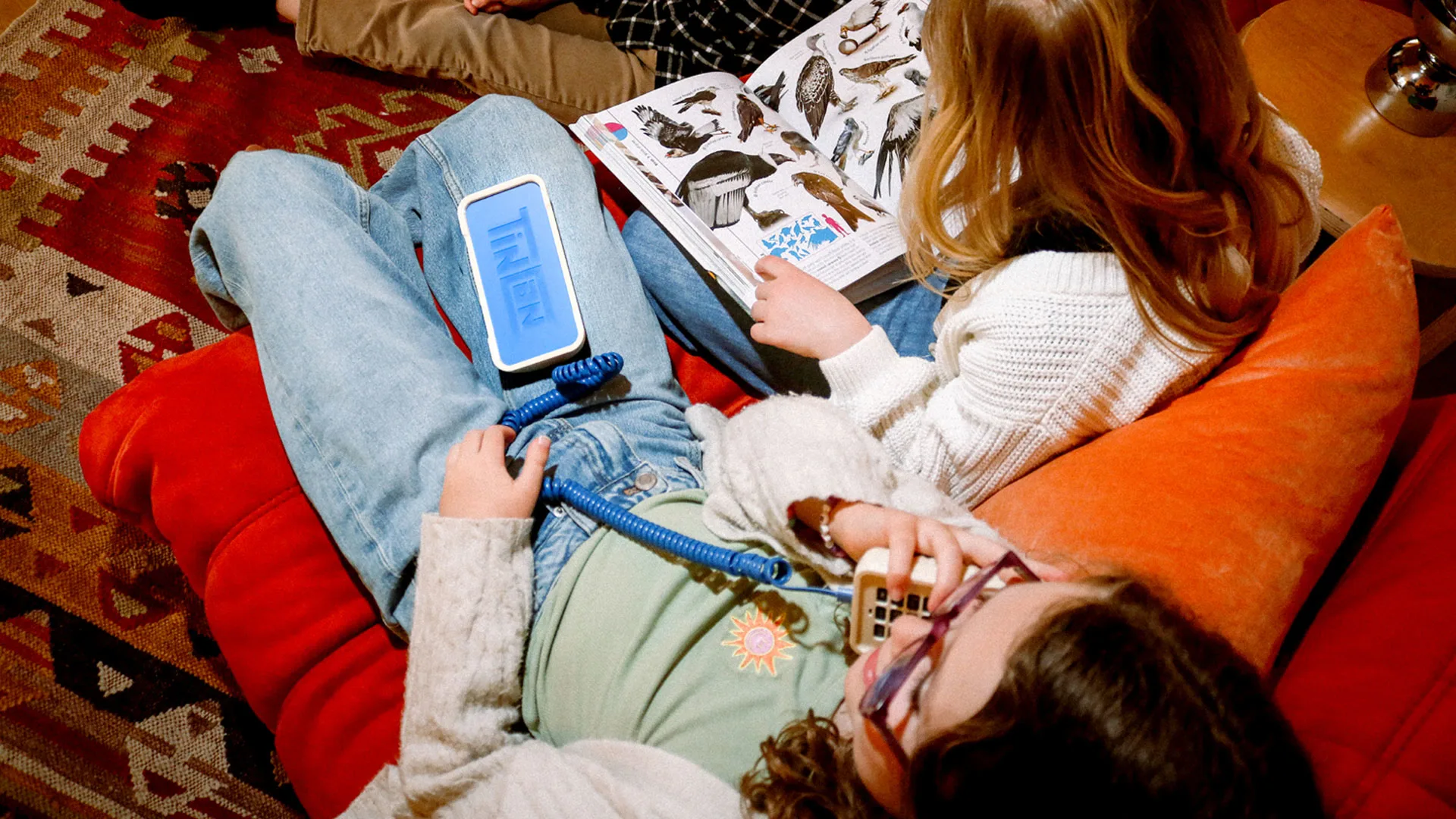
"One hot new phone of 2025 has no screen, can't send a text, and needs to be plugged into the wall. But to buyers of the Tin Can, that's a definite plus. The Tin Can, from a Seattle startup of the same name, grew out of conversations cofounder and CEO Chet Kittleson had with fellow parents about the challenges of enabling kids to connect with friends and relatives without giving them full-fledged cellphones."
"Starting in 2024, Kittleson and his Tin Can cofounders started working on a prototype that would deliver some of the same features of the old-school house phone without actually requiring landline service from the local phone or cable company. The result, which quickly proved a viral hit among Kittleson's network of parents and kids, is a phone complete with handheld receiver and curly cord that lets kids call, and receive calls and voicemails from, parent-approved numbers."
""It gives them the opportunity to be social and work out play dates without having to come to us and use our phone," says Chelsea Miller, a Seattle parent of two whose family was quick to adopt the device. Her two children-a 10-year-old daughter and a son about to turn 8-also use the phone to connect with their grandparents, she says."
The Tin Can is a corded, screenless home phone designed to let children make and receive calls and voicemails from parent-approved numbers. The device was developed by Seattle-based founders who sought to recreate landline-style social connections without requiring traditional landline service. The handset uses internet connectivity and comes in models including the Flashback, which connects via ethernet to a router. The phone restricts texting and smartphone features to delay children's smartphone adoption while enabling independent scheduling of playdates and communication with relatives. Early adopters report children using it to contact grandparents and arrange social activities.
Read at Fast Company
Unable to calculate read time
Collection
[
|
...
]