"Generative design has been making waves in aerospace and automotive engineering for years, but it hasn't really imprinted on consumer tech the way you might expect. Engineers use it constantly to shave grams off aircraft components or optimize chassis structures, then someone wraps the results in conventional styling so customers don't have to think about the math underneath. The benefits stay hidden, buried under smooth surfaces and familiar forms that don't challenge our expectations about what products should look like."
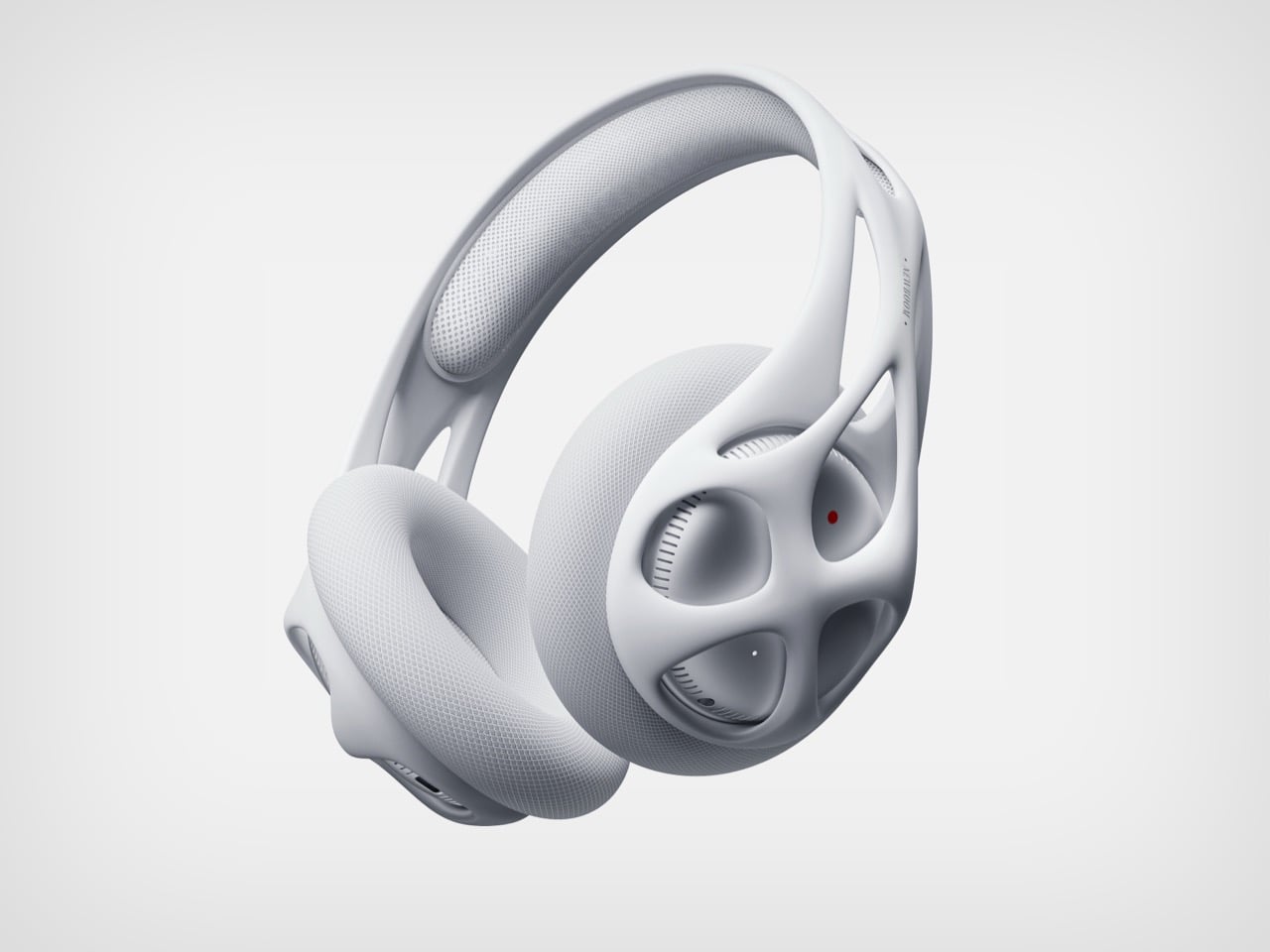
"The Grow headset concept takes the opposite approach and puts the algorithm's output right out front, turning what's usually a backend engineering tool into the primary design language. What emerged looks less like consumer electronics and more like something that washed up on a beach after spending years underwater. That skeletal structure with its organic voids and flowing curves comes from letting software iterate through thousands of variations, testing each one against structural requirements until it arrived at these forms that feel simultaneously ancient and futuristic."
"The most striking element is obviously that frame. Instead of the typical headband with internal reinforcement hidden under padding, Grow exposes an exoskeleton of flowing, organic voids that look almost coral-like in their distribution. The algorithm determined where material needed to exist based on stress requirements and where it could be removed to save weight, which is exactly how bone structure develops in nature. Every solid section and every void exists because the math said it should be there."
Generative design delivers optimized structures in aerospace and automotive engineering by removing unnecessary material and refining components for weight and performance. Consumer electronics have largely retained conventional styling that conceals engineering-driven forms beneath smooth surfaces. The Grow headset foregrounds algorithmic output, presenting an exposed exoskeleton of flowing, coral-like voids derived from thousands of software-driven iterations tested against structural requirements. Material appears only where stress demands it, mirroring natural bone development. The overall aesthetic reads both ancient and futuristic while outer shells use metal and inner earcups suggest premium finishes, combining visible optimization with familiar consumer-tech refinement.
Read at Yanko Design - Modern Industrial Design News
Unable to calculate read time
Collection
[
|
...
]