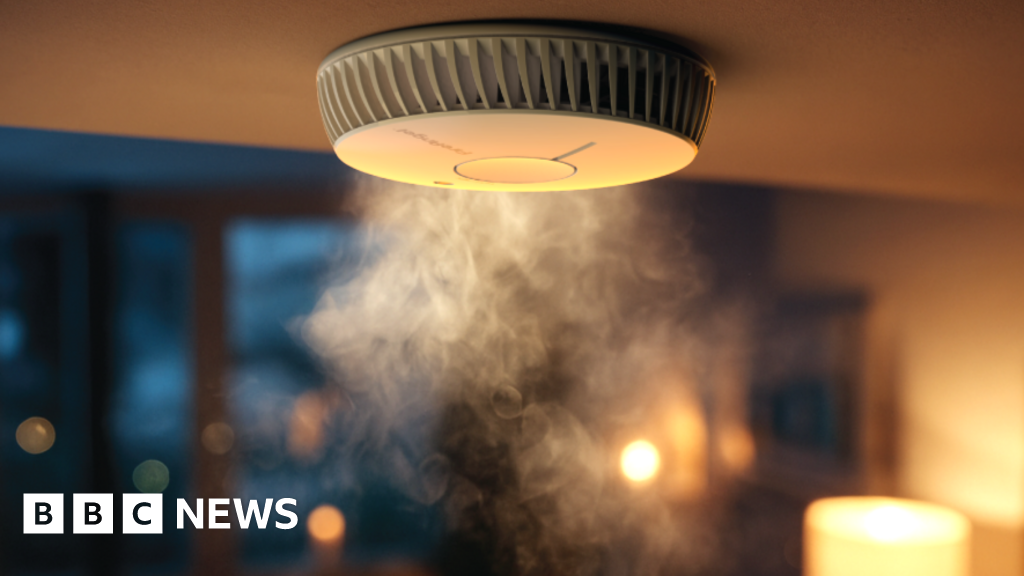
"The school run was over and laundry was in the tumble dryer. Mum and step-mum of four Liz McConnell was about to sit down to work at her Dover home last September. But that's when the sound of a fire alarm cut through her morning. She walked towards it and eventually found smoke billowing out of the tumble dryer. Touching the machine, she realised it was hot and, looking closer, she saw that part of it was on fire."
"At that point I called the fire brigade," she remembers. They advised her to leave the property immediately. McConnell says the fire developed "very, very quickly". While Kent Fire & Rescue Service battled the blaze for hours, the McConnell family home was left partially destroyed. "Had I not have heard [the smoke alarm], I would have just been in there," says McConnell. "They are essential, absolutely essential.""
Liz McConnell heard a smoke alarm and discovered her tumble dryer ablaze; firefighters advised immediate evacuation and the house was left partially destroyed. Smoke alarms have existed for decades and the core technology has changed little, but some modern risks, such as sudden e-bike battery fires, can be hard for current detectors to catch. Researchers are developing new sensing methods to detect smoke and fire faster. Any certified, functioning smoke alarm greatly increases survival: people are about ten times more likely to die in a fire without one. Kent found roughly 6,500 expired alarms from 2022–2024; nearly four million UK adults and about 16% of US households may lack functioning alarms.
Read at www.bbc.com
Unable to calculate read time
Collection
[
|
...
]