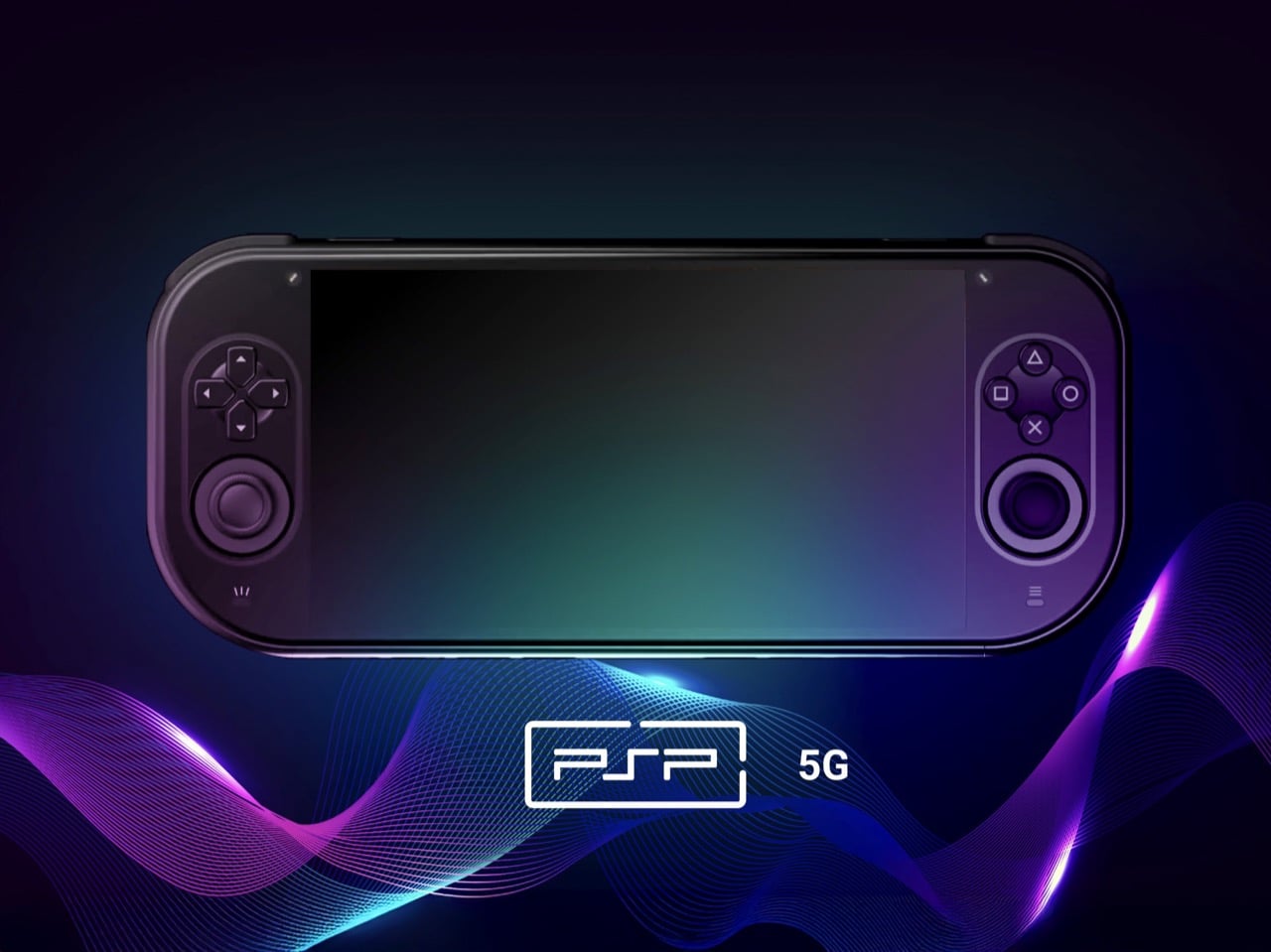
Sony's portable hardware history pairs innovation with baffling compromises that undermine user experience. Past devices demonstrated control trade-offs: PSP with one stick, Vita missing analog triggers and clickable sticks, and developers forced to use a rear touchpad. The PS Portal achieved correct controls but limited value by relying on streaming. Project Canis, rumored for 2027, aims for full PS4/PS5/PS6 compatibility, proper docking, and portable-ready profiles. A PS5 low-power mode in firmware is preparing developers to optimize for handheld performance ahead of the device. AMD APU improvements and handheld PC demand improve feasibility, though supply chain and component costs remain risks.
"The PSP had one analog stick when games clearly needed two. The Vita added that second stick but inexplicably skipped analog triggers and clickable thumbsticks, forcing developers to map essential controls to an awkward rear touchpad. The PS Portal finally nailed the controls by essentially splitting a DualSense controller in half, then rendered the achievement mostly irrelevant by making it stream-only."
"Reports suggest full PS4, PS5, and PS6 compatibility with proper docking functionality, which would position it as Sony's answer to both the Steam Deck and Switch successor. The recent PS5 low-power mode appearing in firmware updates telegraphs Sony's strategy clearly: get developers optimizing games for portable performance now, before the hardware officially exists. With AMD's APUs getting more capable and the handheld gaming PC market proving there's demand for portable power, Sony actually has a clearer path forward than they did with previous attempts."
Read at Yanko Design - Modern Industrial Design News
Unable to calculate read time
Collection
[
|
...
]