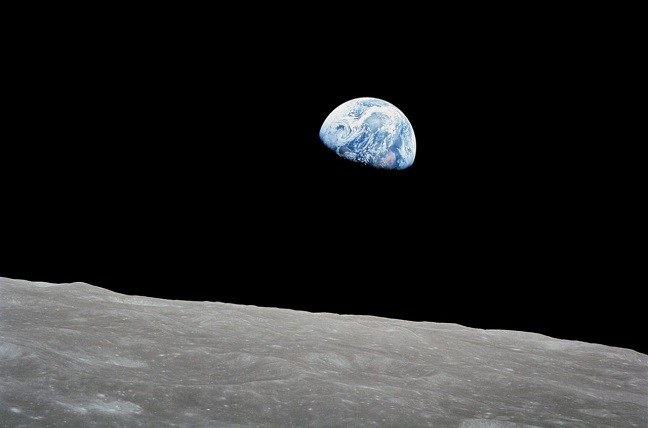
Smartphones are slated to accompany Crew-12 and Artemis II astronauts, with operators emphasizing use for family moments and public outreach. Modern consumer devices were qualified for spaceflight on an expedited timeline, aiming to challenge and shorten long-standing processes. Devices traditionally require thorough preflight testing for issues like outgassing and electromagnetic interference, with MIL-STD-461 referenced and RF features often disabled. The specific handling of the newest smartphones, widely reported as iPhones, remains unclear. GSM radio interference is a principal concern, though crews are not expected to make calls. Previous space use includes ESA's mobiPV and wrist-mounted smartphones, and AstroPi systems avoid wireless connectivity.
"Jared Isaacman posted on X (formerly Twitter): "We are giving our crews the tools to capture special moments for their families and share inspiring images and video with the world." He added: "We challenged long-standing processes and qualified modern hardware for spaceflight on an expedited timeline." Isaacman did not elaborate on how those long-standing processes had been challenged. It certainly isn't the first time smartphones have been flown in space, and astronauts regularly use tablets for following procedures and other tasks."
"Taking a device into space has traditionally required it to be thoroughly tested beforehand. For example, there is the question of outgassing and how the device might interfere with other equipment. One space agency source directed The Register to the MIL-STD-461 standard for electromagnetic equipment, saying: "Normally they nerf all the RF capabilities, so they just become a pocket computer." It's not clear what has happened with the "latest smartphones" (widely reported to be iPhones) Isaacman mentioned."
Read at Theregister
Unable to calculate read time
Collection
[
|
...
]