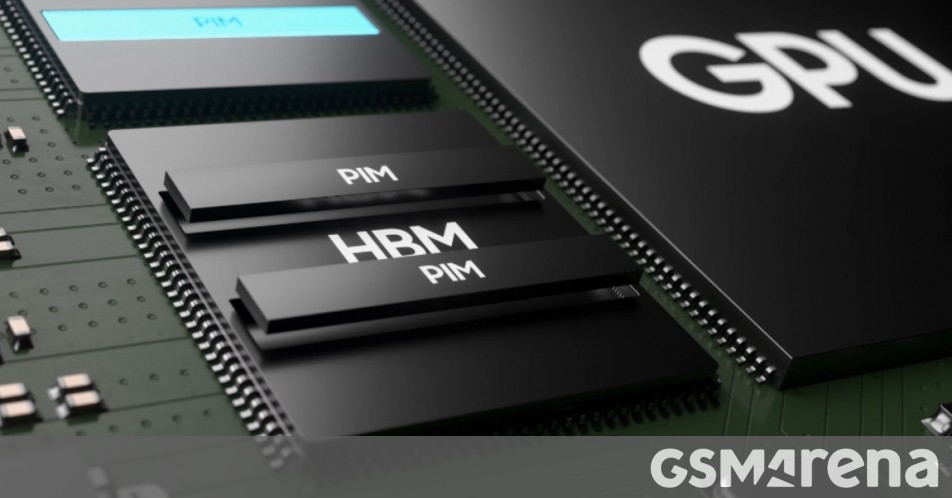
"The so-called AI hyperscalers - companies building out absolutely massive cloud infrastructure to serve the ever-growing compute needs of AI - are ordering memory at unprecedented levels, which, in turn, has caused prices to skyrocket. Samsung is focused on mass-producing HBM4 ("High Bandwidth Memory"). Samsung reported booming sales in Q3 last year on the back of strong demand for the previous HBM3E format and this continued into Q4."
"Looking to the future, Samsung has developed a hybrid bonding technology for HBM. This reduces the thermal resistance of 12H and 16H stacks by 20%. In tests, Samsung observed 11% lower temperature on the base die. It's not clear when hybrid-bonded dies will be available to consumers. Another related technology is called zHBM, which stacks dies in the Z-axis. This approach will boost memory bandwidth 4x while reducing power consumption by 25%."
Demand for Samsung's memory chips is expected to remain high through 2027 as AI hyperscalers place unprecedented orders, causing memory prices to skyrocket. Samsung is focused on mass-producing HBM4 following booming Q3 sales driven by HBM3E demand that continued into Q4. Plans for Q1 include HBM4 sales, and corporate customers who received shipments called the chip's performance "very satisfactory." Samsung developed a hybrid bonding technology for HBM that reduces thermal resistance of 12H and 16H stacks by 20% and yielded 11% lower base-die temperature in tests. zHBM stacks dies in the Z-axis to boost bandwidth 4x and cut power by 25%. Custom HBM with processing-in-memory can increase performance 2.8x while maintaining power efficiency.
Read at GSMArena.com
Unable to calculate read time
Collection
[
|
...
]