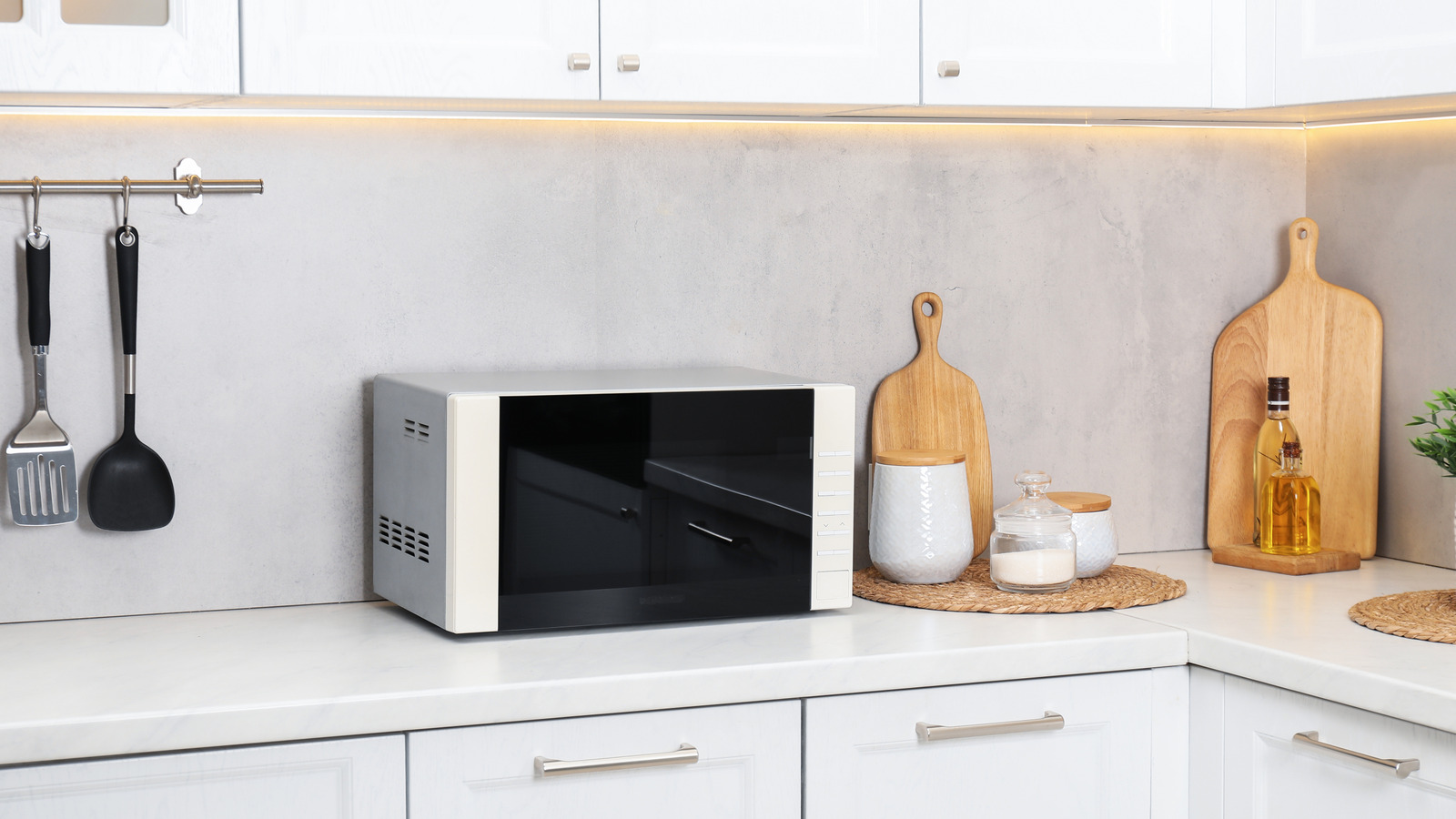
"We may receive a commission on purchases made from links. The average microwave should last around seven to 10 years, assuming that you look after it well. But during this time, you might notice patches of rust appear inside or on the outer casing of the appliance. If the rest of the microwave is in good working order, you might be wondering if these rust spots are reason to throw it out."
"It all depends on where the rust is and how deep it goes. If the rust has caused any holes to appear in the internal walls or door, the microwave needs to be thrown away. At best, this will prevent the microwave from functioning correctly, but there is also the chance of radiation leakage. You might want to consider ditching your microwave if rust has formed in or around the electrical workings, as it poses a serious electrical safety risk."
"If rust has formed on the ceiling of the microwave, even if it's only superficial, it can be dangerous for a different reason. Flakes of rust can fall into uncovered food as it cooks, which is just one more reason to cover your food in the microwave. This doesn't warrant buying a new microwave, but it will need to be repaired."
Microwaves typically last seven to ten years with proper care, but rust can appear on internal and external surfaces. Rust that creates holes in internal walls or the door can impair function and risk radiation leakage, requiring disposal. Rust near electrical components presents a serious electrical hazard and may warrant replacement. Ceiling rust can flake into uncovered food and should be repaired even if superficial. Surface rust on the exterior or under the turntable usually does not affect safety or performance but should be treated to prevent spread. Preventive measures include keeping the microwave clean and dry and removing food residue from vents.
Read at Tasting Table
Unable to calculate read time
Collection
[
|
...
]