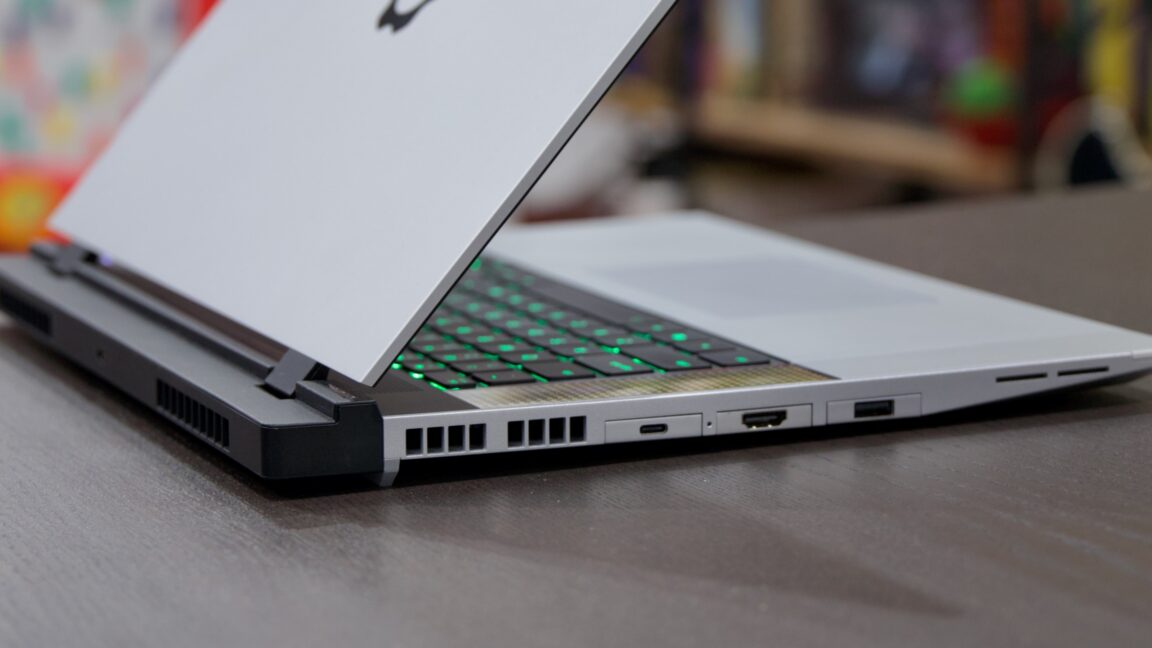
"The original Framework Laptop 16 was trying to crack a problem that laptop makers have wrestled with on and off for years: Can you deliver a reasonably powerful, portable workstation and gaming laptop that supports graphics card upgrades just like a desktop PC? Specs at a glance: Framework Laptop 16 (2025) OSWindows 11 25H2 CPUAMD Ryzen AI 7 350 (4 Zen 5 cores, 4 Zen 5c cores) RAM32GB DDR5-5600 (upgradeable)"
"the graphics card in a gaming PC or graphics-centric workstation will still feel its age faster than your CPU will. And the chance to upgrade that one component for hundreds of dollars instead of spending thousands replacing the entire machine is an appealing proposition. Upgradeable, swappable GPUs would also make your laptop more flexible-you can pick and choose from various GPUs from multiple vendors based on what you want and need, whether that's raw performance, power efficiency, Linux support, or CUDA capabilities."
Framework updated the Laptop 16 with modular components that enable interchangeable motherboards and swappable GPUs. The laptop offers two motherboard options: an older Ryzen 7040-series and a new Ryzen AI 300-series, each usable with an integrated GPU or a dedicated Nvidia GeForce RTX 5070 Mobile. Core specs include a 16-inch 2560×1600 165 Hz matte display, up to 32GB DDR5-5600 RAM, a 1TB Western Digital Black SN770 SSD, and an 85 WHr battery. Connectivity uses six recessed USB-C ports with customizable expansion dongles. Weight ranges from 4.63 to 5.29 pounds depending on GPU presence. Pricing sits around $2,517–$2,649 depending on configuration. Upgradeable GPUs reduce replacement costs and allow selection for performance, efficiency, Linux support, or CUDA needs.
Read at Ars Technica
Unable to calculate read time
Collection
[
|
...
]