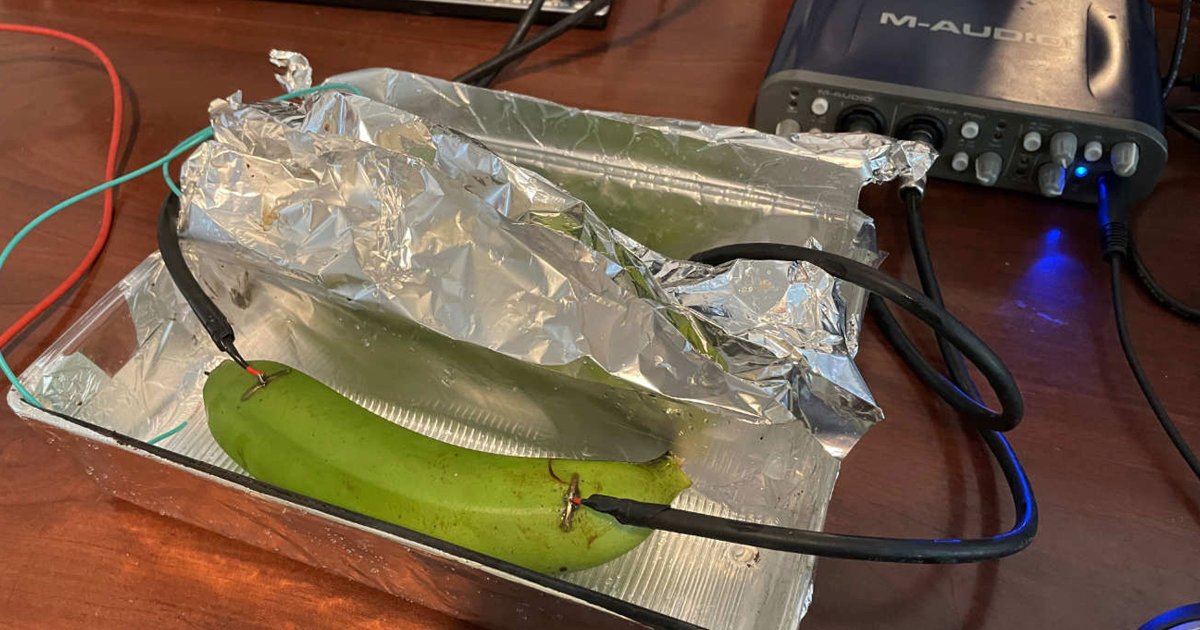
High-quality cables are marketed as essential for extracting maximum performance from expensive audio and video gear, with some audiophile cables costing tens of thousands for exotic materials and construction. Physical principles generally limit any audible benefit, making extravagant cable spending unjustified except compared with the cheapest cable options. A forum experiment routed CD-source audio through pro copper, an unripe banana, penny-soldered microphone cable, and wet mud, then presented resulting clips for blind listening. Listeners largely failed to identify which medium was used; only six correct guesses out of 43 matched randomness, indicating negligible audible differences among the test conduits.
"High-quality cables have long been marketed as a key way to get the most out of high-end equipment, such as expensive studio-grade monitor speaker cables and gold-plated HDMI cables for cutting-edge TVs. In the high-end audiophile world, which is renowned for eye-bulging prices, cables can cost tens of thousands of dollars for ultra-pure copper with silver plating, specialized insulation, and dozens of individual conductors that manufacturers claim will squeeze the most out of a luxury-grade sound system aimed at the uber-wealthy."
"The laws of physics, however, have long dictated that spending that kind of cash on cables simply isn't worth it in the vast majority of circumstances - as long as you don't go for the cheapest option from the dollar store, of course. To put the decades-long debate to the ultimate test, a moderator who goes by Pano at the audiophile enthusiast forum diyAudio conducted an eyebrow-raising experiment back in 2024, which was rediscovered by Headphonesty late last month and Tom's Hardware last week."
"Pano ran high-quality audio through a number of different mediums, including pro audio copper wire, an unripe banana, old microphone cable soldered to pennies, and wet mud. He then challenged his fellow forum members to listen to the resulting clips, which were musical recordings from official CD releases run through the different "cables." The results confirmed what most hobbyist audiophiles had already suspected: it was practically impossible to tell the difference."
Read at Futurism
Unable to calculate read time
Collection
[
|
...
]