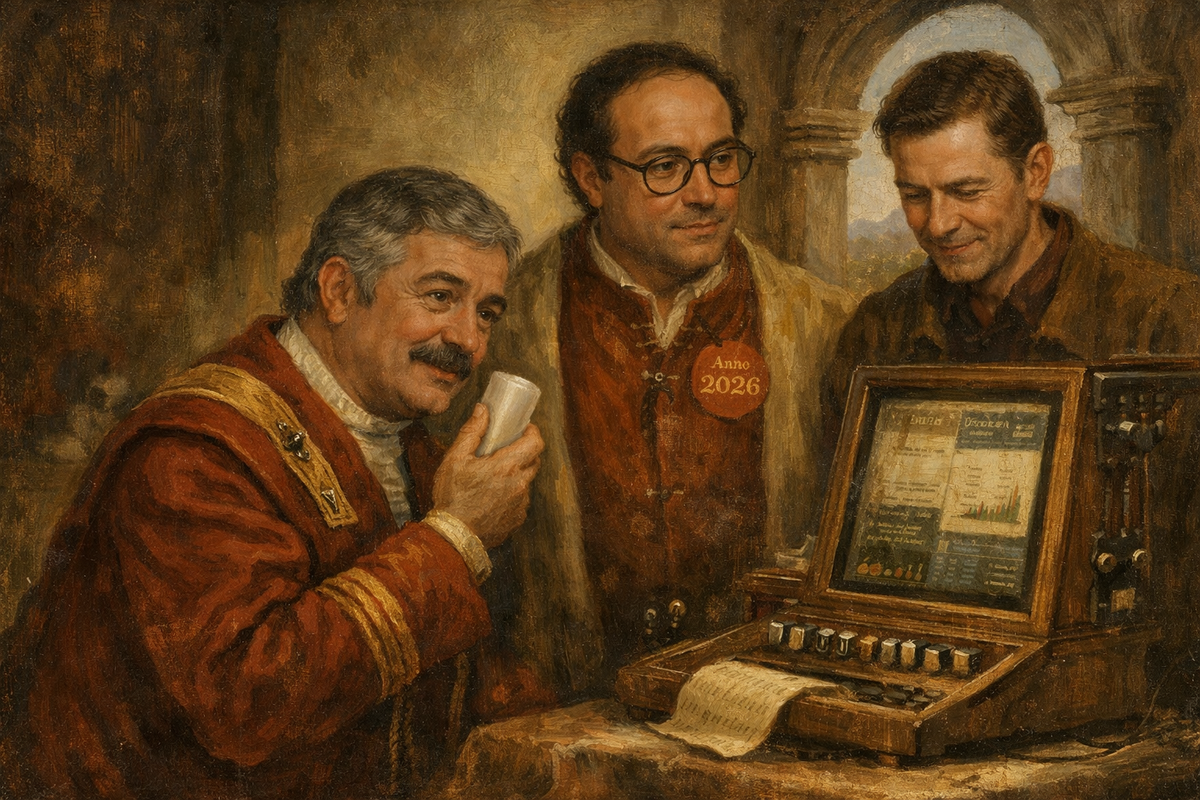
"If the vocal computing category has a boy crying wolf, I may be it. I've been writing about the notion that operating our computers through voice is "right around the corner" for almost two decades. And long before that, I was an early adopter to many a PC microphone in the 1990s and later Bluetooth earpieces in the 2000s in an attempt to run all of my computing through my voice ( and ears)."
"Pushed by Steve Jobs, Apple was trying to jump ahead to the next paradigm in computing interaction after leveraging multitouch to revolutionize the world with the iPhone (not to mention on the Mac with the mouse, back in the day). Again, voice technology had been around for a long time, but the only place it really worked was in science fiction."
Voice computing has long been anticipated but remains short of the seamless conversational experience depicted in science fiction. Early hype around voice assistants such as Siri in 2011 promised a paradigm shift but delivered uneven results. Amazon's Alexa later gained mainstream traction through a focused strategy and mass Echo deployments, with Google following. Those deployments proved useful for simple hands-free tasks yet amounted to a head fake rather than full conversational computing. Recent advances in AI are creating an inflection point that could enable richer, more capable voice interactions. Significant work remains on contextual understanding, integration across devices, and privacy-aware deployment to reach Star Trek–level natural voice control.
Read at Spyglass
Unable to calculate read time
Collection
[
|
...
]