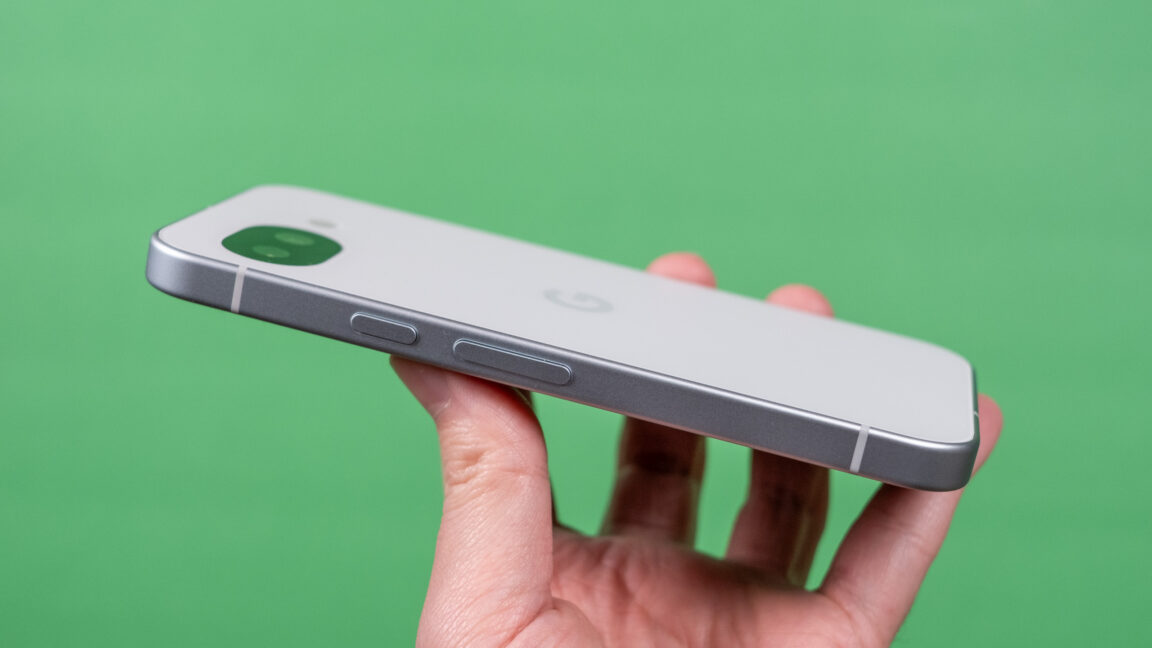
"The Pixel 10a isn't so much a downgraded version of the Pixel 10 as it is a refresh of the Pixel 9a. In fact, it's hardly deserving of a new name. The new Pixel gets a couple of minor screen upgrades, a flat camera bump, and boosted charging. But the hardware hasn't evolved beyond that-there's no PixelSnap and no camera upgrade, and it runs last year's Tensor processor."
"Anything with storage and RAM is getting more expensive in 2026, but Google has managed to keep the Pixel 10a at $500, the same price as the last few phones. It's probably still the best $500 you can spend on an Android phone, but if you can pick up a Pixel 9a for even a few bucks cheaper, you should do that instead."
"Traditionally, Google's Pixel A-series always had the same Tensor chip as the matching flagship generation. So last year's Pixel 9a had the Tensor G4, just like the Pixel 9 and 9 Pro. The Pixel 10a breaks with tradition by remaining on the G4, while the flagship Pixels advanced to Tensor G5."
The Pixel 10a represents an incremental update to Google's budget smartphone line, delivering few meaningful changes from its predecessor. The device features a glass and metal design with a flat camera bump, minor screen enhancements, and improved charging capabilities. Notably, Google breaks tradition by equipping the Pixel 10a with the Tensor G4 processor rather than upgrading to the newer Tensor G5 found in flagship models. The phone retains the physical SIM card slot and maintains the $500 price despite rising component costs. While still competitive in the budget Android market, the minimal upgrades suggest consumers might benefit from purchasing the cheaper Pixel 9a instead.
Read at Ars Technica
Unable to calculate read time
Collection
[
|
...
]