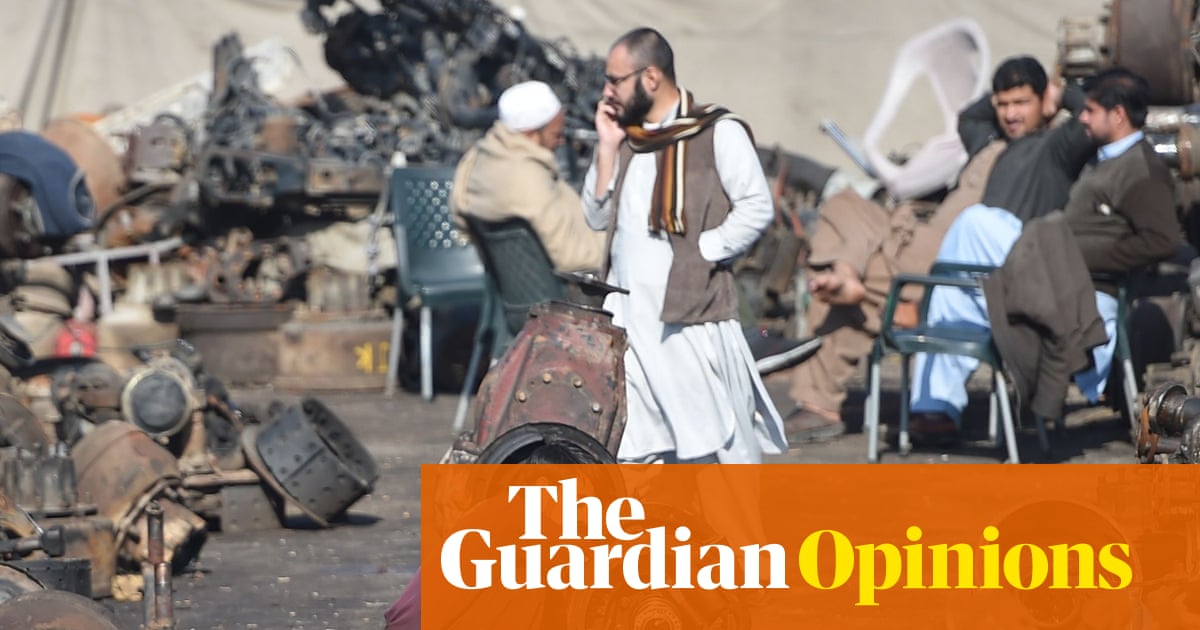
"Every small gathering was deep in animated discussion: the problems facing shopkeepers, government indifference to their needs, the threat of forced eviction officials wanted to relocate the dirty mechanics from the city centre to the outskirts. The atmosphere, the posters, the banners, the sheer intensity of argument, could easily put many national elections to shame. I could not stop myself from thinking: this is real grassroots civil society in action."
"In 25 years of working in the development sector and managing millions of dollars in civil society funding, I never once saw a donor fund an organisation such as this. That gap between what we funded and what actually existed tells you almost everything about what has gone wrong with international aid's relationship with civil society. With USAID now dismantled and the entire model of western development assistance under scrutiny, this question has never been more urgent."
"We created a parallel universe of professional NGOs accountable to their donors in Washington or London, but to no one on the ground. Civil society fills the vacuum between the state and the market it is where people with shared interests organise to do what neither government nor commerce will do. It is inherently organic, membership based and accountable to its members."
"Genuine civil society lacked the one thing donors valued: the ability to write a proposal in fluent English The shopkeepers' association I witnessed was precisely this: people pooling resources to elect leadership and resolve problems the government would not and the market cou"
A hot, humid day in an Islamabad market revealed an unusually energetic shopkeepers’ association election. People gathered in animated discussion about shopkeepers’ problems, government indifference, and threats of forced eviction and relocation of mechanics from the city centre. Posters, banners, and intense arguments reflected strong local engagement and pride. The scene contrasted with years of development work and civil society funding, where no donor had supported an organization like this. The gap suggested international aid created professional NGOs accountable mainly to donors abroad rather than to people on the ground. Civil society is described as organic, membership-based, and accountable to members, filling the space between state and market by organizing to address issues neither government nor commerce handles.
#grassroots-civil-society #international-aid #ngo-accountability #community-organizing #urban-governance
Read at www.theguardian.com
Unable to calculate read time
Collection
[
|
...
]