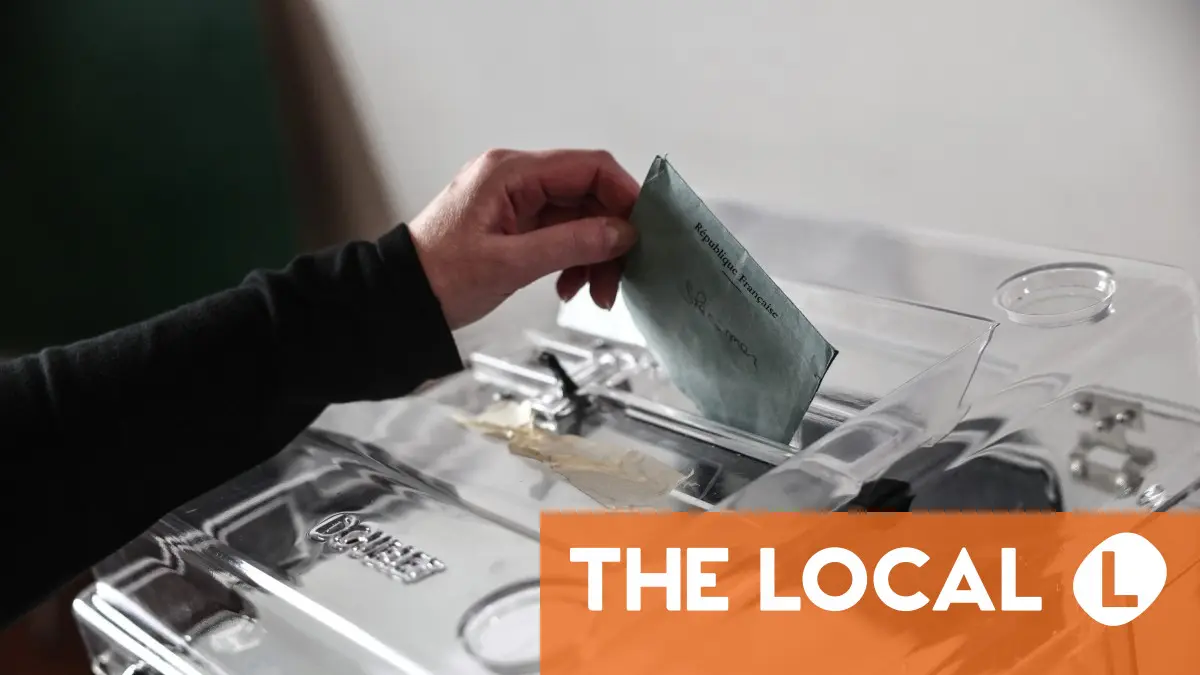
"France's two-round political system makes election alliances a crucial part of the process - but ahead of the local elections relations are more strained than ever between the parties of the left."
"In cases where three candidates have made it through, parties that have made an alliance can withdraw their candidate if they are worried about dividing the vote and therefore allowing a rival to win - for example if there are two left-wing candidate and one from the far right, it's common for one of the leftist candidates to withdraw."
"This election, however, has been made more complicated by France's fractured political landscape and the deep divide between parties on the left - which has been intensified by the killing of far-right activist Quentin Deranque in Lyon, and the arrest of far-left activists, some with links to the hard left La France Insoumise party (LFI)."
France's two-round electoral system requires strategic alliances between political parties to succeed in local elections scheduled for March 15th and 22nd. In the first round, voters choose from candidates across the political spectrum. Most major cities will require a second round since no candidate reaches the 50 percent threshold. Parties whose candidates are eliminated in round one must decide which remaining candidates to support, potentially withdrawing their own candidates to prevent vote-splitting. This election cycle presents unprecedented complications due to France's fragmented political landscape and deepening divisions among left-wing parties. Tensions have intensified following the killing of a far-right activist in Lyon and subsequent arrests of far-left activists linked to La France Insoumise, causing the centre-left Socialist Party to distance itself from the hard left.
#french-local-elections #political-alliances #left-wing-divisions #electoral-strategy #political-tensions
Read at The Local France
Unable to calculate read time
Collection
[
|
...
]