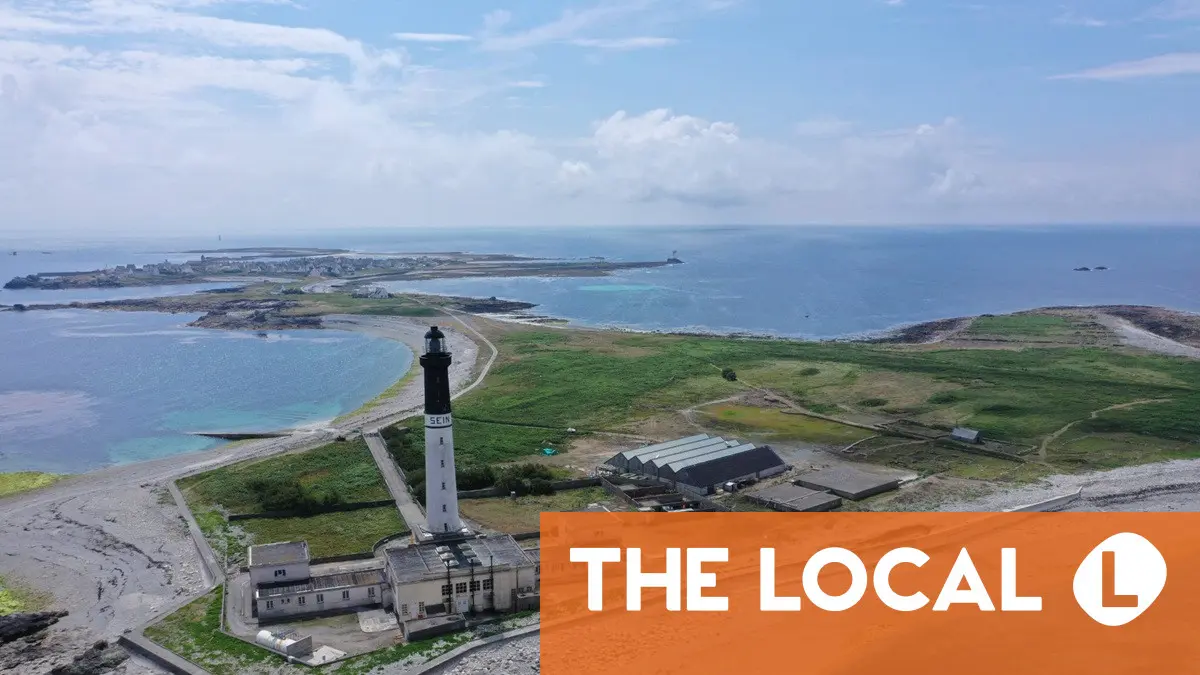
A 120-metre-long submerged granite wall and about a dozen smaller man-made structures lie nine metres underwater off Île de Sein, Brittany. The constructions date from between 5,800 and 5,300 BCE, a period when sea levels were much lower. The features were identified on ocean-floor charts produced with a laser system and were explored and confirmed by divers between 2022 and 2024. The structures may have served as foreshore fish traps or as walls to protect against rising seas. The size and weight of blocks indicate technical skills and social organisation comparable to Breton megaliths, predating known megalithic constructions by several centuries.
"Dating from between 5,800 and 5,300 BCE, they lie nine metres underwater and were built at a time when sea levels were much lower than today. Researchers believe they may have been fish traps built on the foreshore, or walls to protect against rising seas. The study says the structures reflect "technical skills and social organisation sufficient to extract, move and erect blocks weighing several tonnes, similar in mass to many Breton megaliths", large stone arrangements used as monuments or for ceremonial purposes."
"He co-authored a study on the find, published in the International Journal of Nautical Archaeology. The structures were first spotted by retired geologist Yves Fouquet in 2017 on charts of the ocean floor produced with a laser system. Divers explored the site between 2022 and 2024 and confirmed the presence of the granite structures."
Read at The Local France
Unable to calculate read time
Collection
[
|
...
]