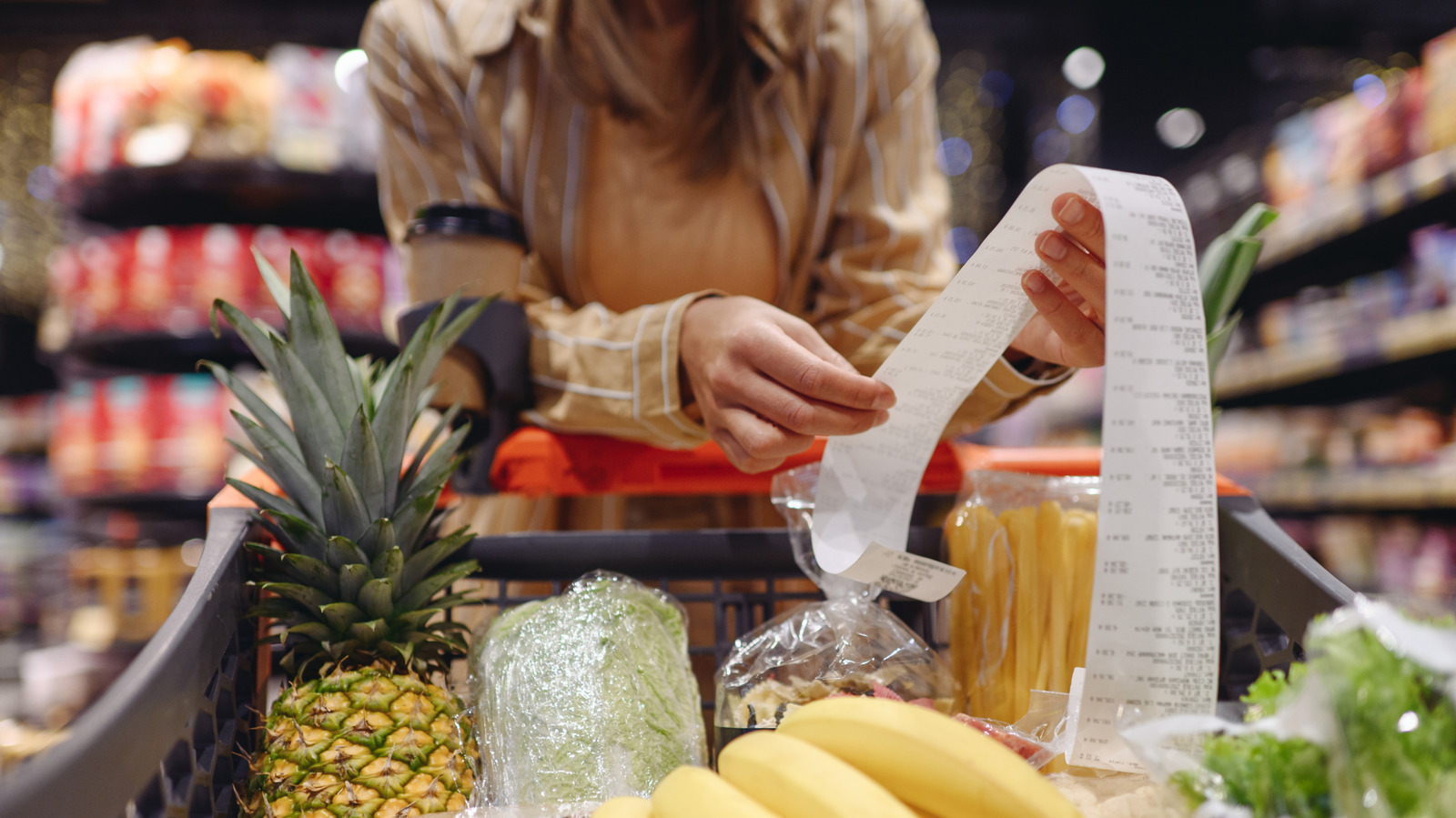
"Grocery prices have increased 29% from February 2020, with staples like flour and beef rising even more. Those prices are even worse for people depending on what state they live in. Groceries cost way more in certain places, and while you might think of states like California and New York as the worst, an analysis of food prices from the Bureau of Labor Statistics by Voronoi shows that Hawaii and Alaska are the two most expensive for groceries."
"The high grocery prices in Alaska and Hawaii stem mostly from geographical challenges. Both states are obviously not connected to the U.S. mainland, and both are remote. Food production is also difficult in each state, with Alaska having a cold climate that makes farming difficult, and Hawaii being a small mountainous chain of islands where land is at a premium and an agriculture system heavily impacted by GMO research. Because of this, both states must import most of their food."
"Staple prices in Alaska and Hawaii can be eye-popping, even for people from higher cost of living cities on the mainland. In Hawaii 1 gallon of milk can cost upwards of $6 to $8, compared to an average of $4.42 on the mainland. In some parts of rural Alaska it can cost $10. As you might have guessed, the reason for those prices is similar in the two very different states."
Grocery prices have increased 29% from February 2020, with staples like flour and beef rising even more. Prices vary widely by state, with Hawaii and Alaska the most expensive for groceries. Alaska imports about 95% of grocery items and Hawaii up to 90%, driven by remoteness, disconnected geography, limited arable land, cold climate in Alaska, and mountainous islands in Hawaii. Staple items such as milk can cost $6–$8 per gallon in Hawaii and up to $10 in parts of rural Alaska. Utah and Idaho show competitive overall grocery spending, but larger family sizes push household grocery costs higher; families with children spend 41% more than those without.
Read at Tasting Table
Unable to calculate read time
Collection
[
|
...
]