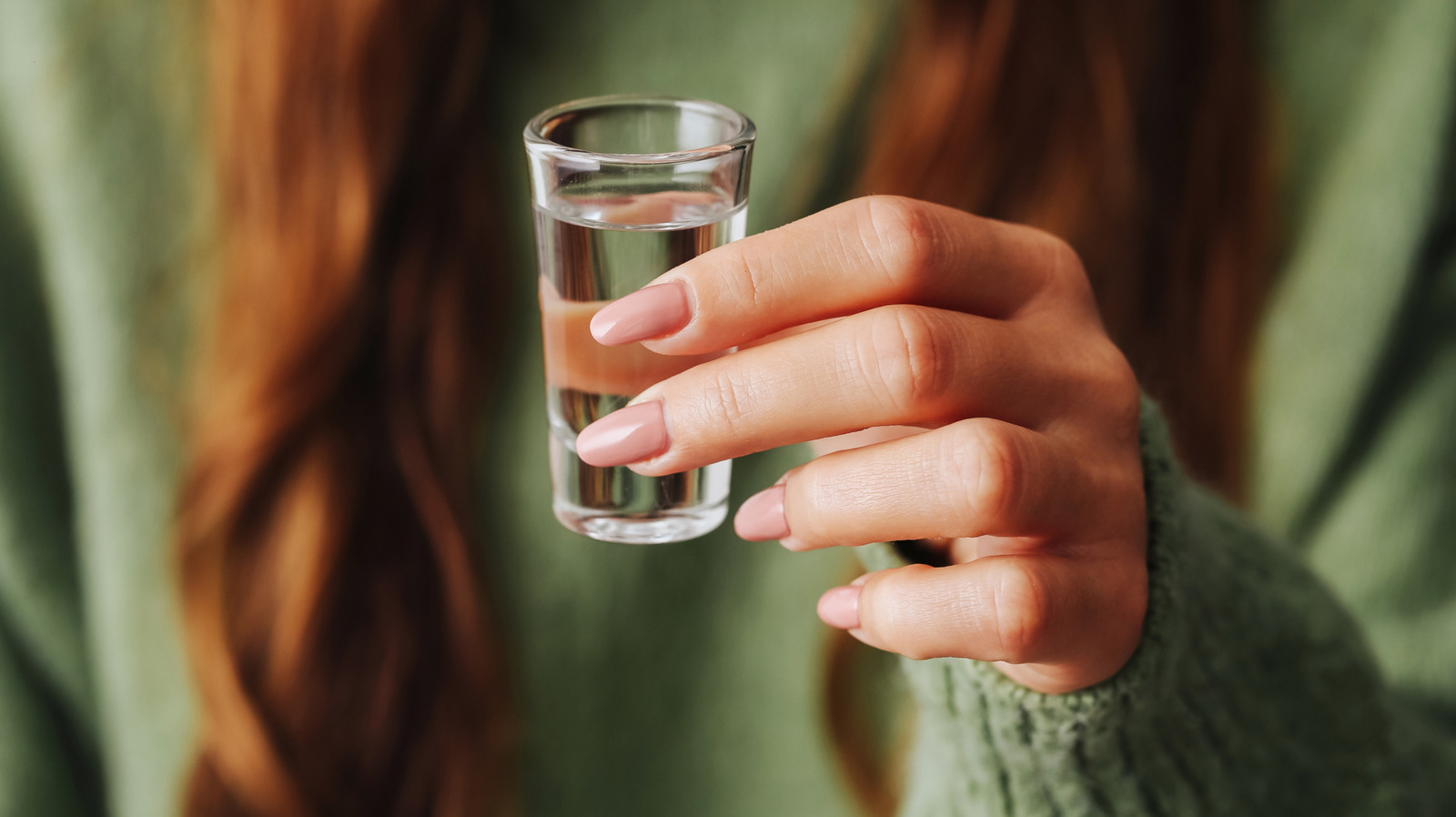
Mexican regulations (Norma Oficial Mexicana, NOM) set tequila alcohol content between 35% and 55% ABV, while U.S. federal rules require bottled spirits to reach at least 40% ABV. The same brand can sell a 35% product domestically and a 40% version for U.S. export. Lower-ABV tequilas face lower taxation in Mexico. The NOM also mandates production standards such as aging in direct contact with oak or Encino oak, limits on added sugars, rules on agave origin, and controls on "100% agave" labeling. Lower ABV often indicates post-distillation dilution, which alters potency and flavor.
"In Mexico, the official standards governing tequila production are set by the Norma Oficial Mexicana (NOM) and certified by the Consejo Regulador del Tequila (CRT), an agency of the Mexican federal government. Per the NOM, tequila sold in Mexico must fall between 35% and 55% ABV. In fact, the same tequila brand may sell a 35% tequila in Mexico and export a 40% version to the U.S. This is also prompted by the fact that lower-ABV spirits are subjected to lower taxation rates in Mexico."
"Tequila fans may circle the globe, but the spirit's regulations differ from one national legislature to another. In the United States, federal regulations dictate that full-proof spirits must clock in at an ABV of at least 40%. In Mexico, however, liquor can sit as low as 35% ABV and still be legally categorized as tequila. These changes in ABV affect the tequila's potency as well as taste."
Read at Tasting Table
Unable to calculate read time
Collection
[
|
...
]