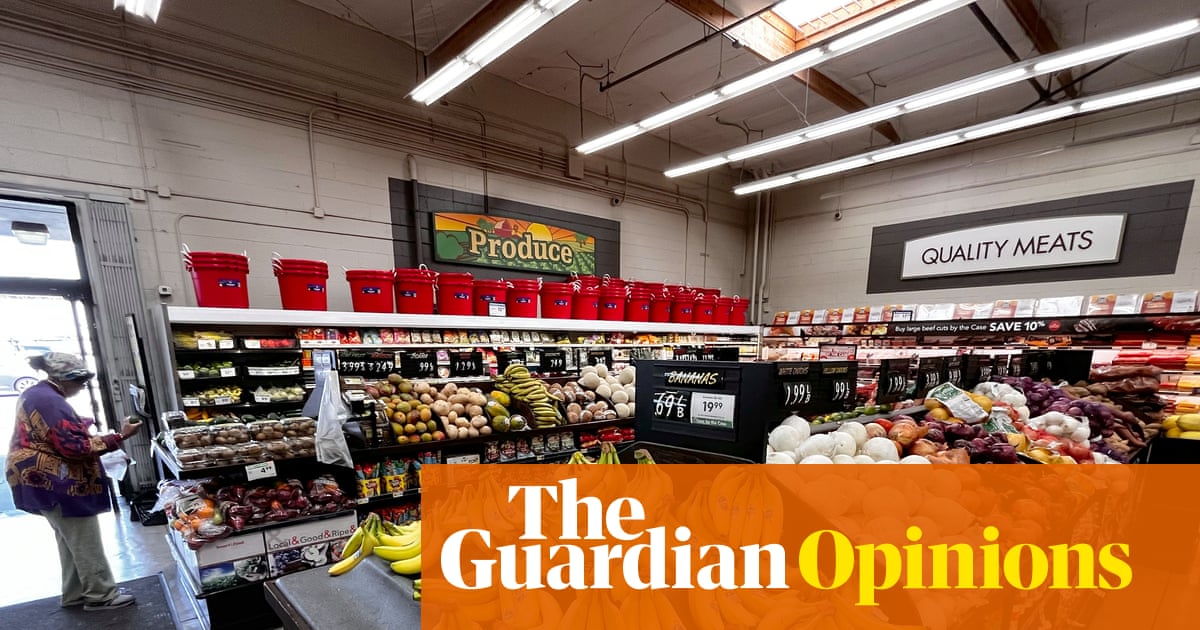
An anthropologist conducting research in South Central Los Angeles documents how food justice advocates, typically outsiders to the community, perpetuate false narratives about the area. These advocates describe South Central as a food desert with no grocery stores and characterize residents as lacking knowledge about healthy eating. However, the researcher's decade-long fieldwork reveals dozens of full-service grocery stores, independent markets, and fish markets throughout the community. The narrative of resource and knowledge gaps applied to communities of color by well-meaning activists reflects assumptions rather than documented reality. This disconnect between external perceptions and on-the-ground conditions reveals how food justice discourse can reinforce stereotypes about marginalized communities.
"There is just nothing there, he said, pointing to the common but false idea that there were no grocery stores there. He then pivoted to talking about the residents. I see them having almost zero education when it comes to [making healthy eating choices]. They don't know that what they're eating is destroying them slowly."
"My research found quite the contrary, documenting the dozens of full-service grocery stores, smaller independent markets, fish markets and myriad other places where residents access food in South Central. For over a decade, I have watched groups of well-meaning food justice activists, who were rarely from South Central, draw on a range of assumptions about what people in places like South Central eat."
#food-justice #food-deserts #south-central-los-angeles #community-narratives #anthropological-research
Read at www.theguardian.com
Unable to calculate read time
Collection
[
|
...
]